en
en Français
 Español
A Practical Guide to Fossil-Free Nonwoven: Fibers, Performance, and Procurement
2026-08-20A contractor once submitted a geotextile specification that said only "fossil-free nonwoven." The material was intended for subgrade separation under a local access road. No fiber type, no tensile requirement, no permitted elongation, and no statement about whether the material had to survive for five years or for two months. The contractor assumed the label would be enough. It was not.
The short answer is that fossil-free nonwoven can be a reliable material if you define the raw material, the performance class, and the intended service life. Natural fibers and bio-based polymers can replace conventional polypropylene and polyester in many nonwoven roles, but they behave differently under water, sunlight, and repeated load. You need to specify them the way you would specify any engineering material.
What "Fossil-Free Nonwoven" Actually Means
Most nonwoven fabrics are made from petroleum-derived polymers such as polypropylene (PP) and polyethylene terephthalate (PET). They dominate because they are strong, predictable, and inexpensive. A fossil-free nonwoven replaces those fossil-derived polymers with one of three broad options:
- Natural plant fibers such as jute, hemp, flax, cotton, sisal, or bamboo;
- Wood-based man-made fibers such as viscose or lyocell;
- Bio-based synthetic polymers such as polylactic acid (PLA) made from corn or sugarcane.
These fibers can be formed into nonwoven rolls using mechanical processes such as needle punching, which interlocks fibers without necessarily requiring chemical binders. The resulting fabric can look similar to a standard nonwoven, but its physical limits are different.
There is also a second common meaning. Some buyers use "fossil-free" to refer to the manufacturing process rather than the fiber itself. They want the nonwoven produced in a factory powered by renewable energy. That is a valid requirement, but it is an entirely different specification. It normally requires an emissions report or an energy declaration, not a change in fiber chemistry.
Performance Comparison: Fossil-Free Fibers vs. Standard Synthetic Nonwovens
Before choosing a fossil-free fiber, compare its mechanical and hydraulic properties against the product it will replace. A natural fiber geotextile, for example, can have excellent initial strength, but moisture and soil chemistry will change that strength over time.
| Property | Polyester (PET) | Natural fibers (jute/hemp) | Bio-based polymer (PLA) |
|---|---|---|---|
| Tensile strength | High | Medium | Medium |
| Moisture absorption | Low | High | Low to medium |
| UV resistance | Good | Moderate | Moderate to low |
| Long-term durability in soil | Stable | Biodegrades | Depends on hydrolytic stability |
| Typical cost indicator | Baseline | Similar or higher | Higher |
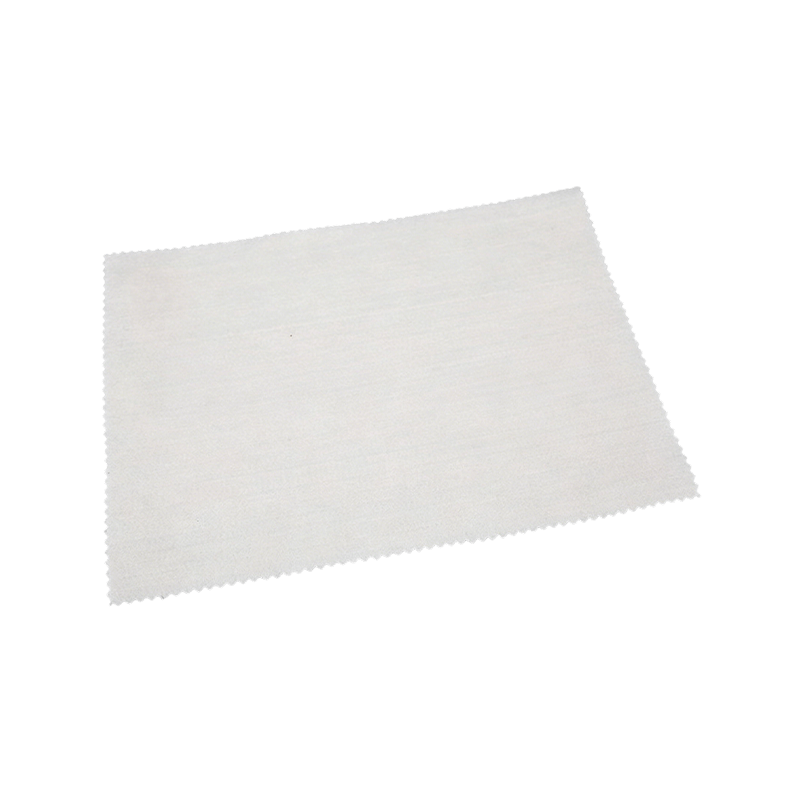
For construction applications, the mechanical baseline is usually a standard polyester nonwoven. If you know the numbers of a 240gsm polyester nonwoven geotextile for highway curing, you can use that datasheet as the reference and ask whether a fossil-free alternative reaches the same initial strength and retained strength after exposure.
 Wholesale 240gsm Polyester Non Woven Geotextile for Highway Curing Supplier, ComChangshu Hui Le Nonwovens Products Co., Ltd is China 240gsm Polyester Non Woven Geotextile for Highway Curing supplier and company. we al...View Product →
The Hidden Problem: Degradation and Service Life
The most common mistake in fossil-free nonwoven procurement is assuming that a plant-based material will last as long as a synthetic one. Natural fibers rot. PLA can hydrolyze in warm, moist conditions. That biodegradability is an advantage for temporary products such as erosion blankets, seeding mats, or greenhouse frost covers. It is a serious risk for permanent road structures and drainage layers.
If the function is separation and filtration under a road base, a biodegradable nonwoven may lose most of its strength within the first season. If the function is temporary slope protection while vegetation establishes, a controlled loss of strength is exactly what the project needs. Therefore, you should state the minimum service life before discussing fiber choice.
Soil pH, bacterial activity, and water temperature all affect degradation speed. A natural fiber that survives for three years in one soil profile may fail in eight months in another. Contractors who ignore this often end up replacing the geotextile after the pavement settles.
What to Specify When Buying Fossil-Free Nonwovens
To avoid a failed installation, put concrete requirements in your purchase order. A label that says "fossil-free" is not a technical specification.
- Define the feedstocks: state whether you require 100% natural plant fibers, a bio-based polymer such as PLA, or a certified percentage of bio-based carbon content.
- State the production meaning: clarify whether renewable energy during manufacturing is also required, and what documentation is acceptable.
- Give the fabric weight and construction: for example, 200 g/m² needle-punched nonwoven with a specified fiber denier and thickness.
- List mechanical values: tensile strength in machine and cross directions, elongation at break, puncture resistance, and tear resistance.
- List hydraulic values: permittivity, apparent opening size, and water flow rate if the nonwoven is used for filtration or drainage.
- State the required service life: for example, 1 year, 5 years, or 25 years, and define the acceptable residual strength at the end of that period.
Standards such as ISO 10319 for wide-width tensile testing and ASTM D4833 for puncture resistance can help if you do not have an in-house protocol. The supplier should be able to put every value in writing. If a fiber is too new to have test data, treat it as an experiment, not a specification.
When to Talk to a Nonwoven Manufacturer
Fossil-free nonwoven is not one product on a price list. It is a performance compromise. A good supplier can tell you the specific trade-offs before you order.
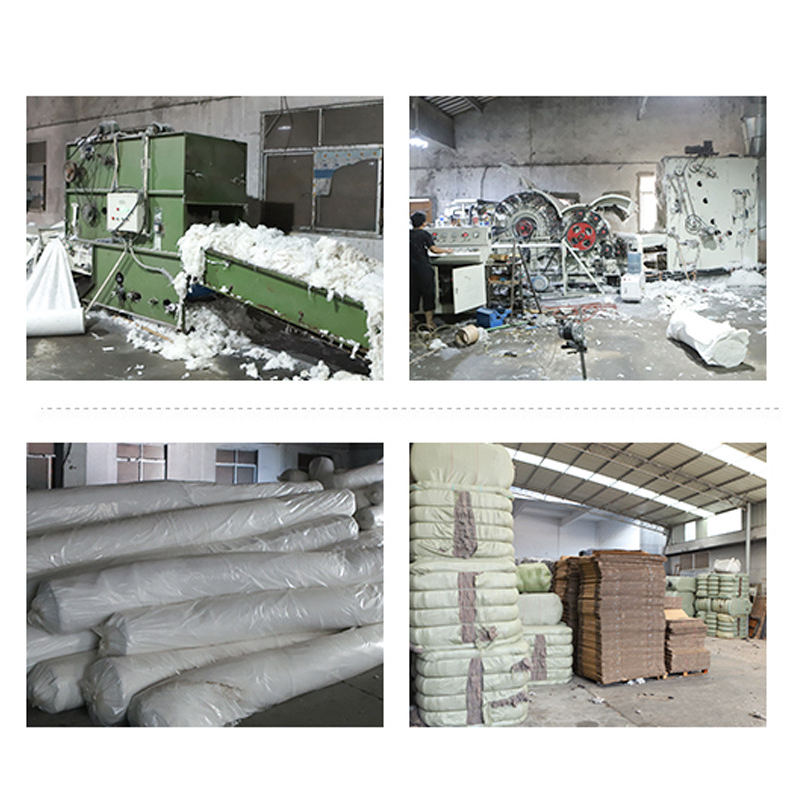
At Changshu Hui Le Nonwovens Products, we manufacture needle-punched synthetic nonwovens for roads, ground stabilization, agriculture, and surface protection. When a project requires fossil-free material, we compare the requested specification against known fiber behavior and help you decide whether a natural-fiber construction can meet the numbers, or whether a bio-based polymer would be safer.
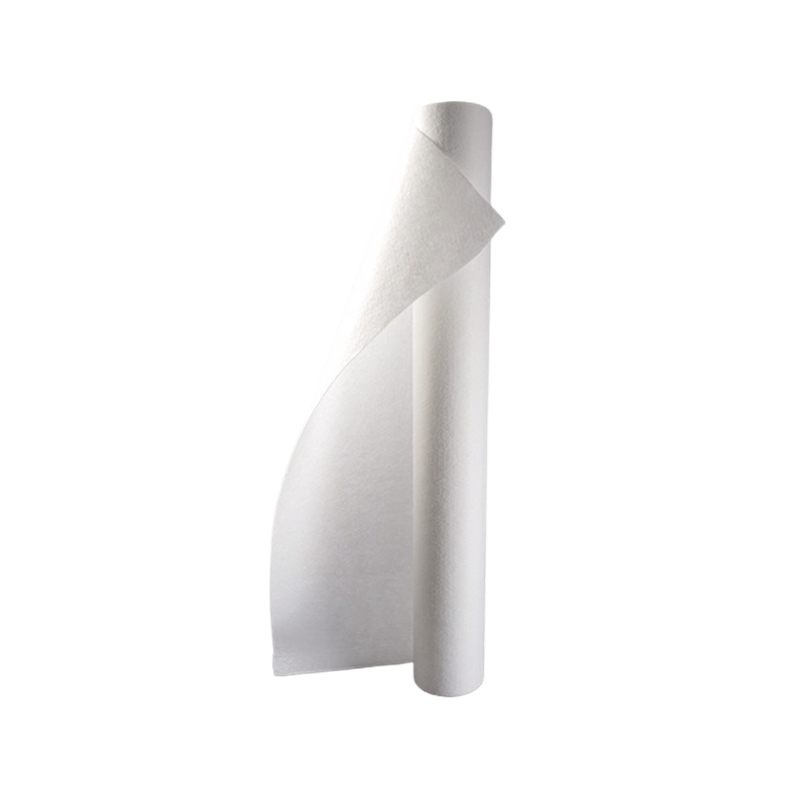
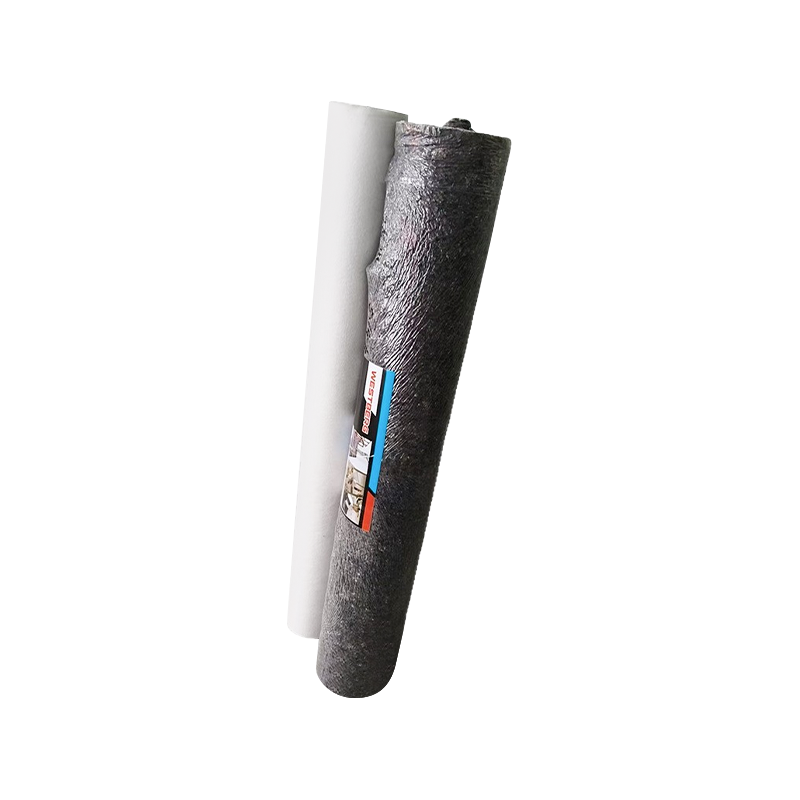
For example, if your project needs an impermeable liner under a storage area, our engineering-grade nonwoven geotextile liner is a composite product built for that job. A fossil-free version would need a different membrane strategy and a separate set of puncture tests. That is exactly the kind of discussion worth having before you issue a purchase order.
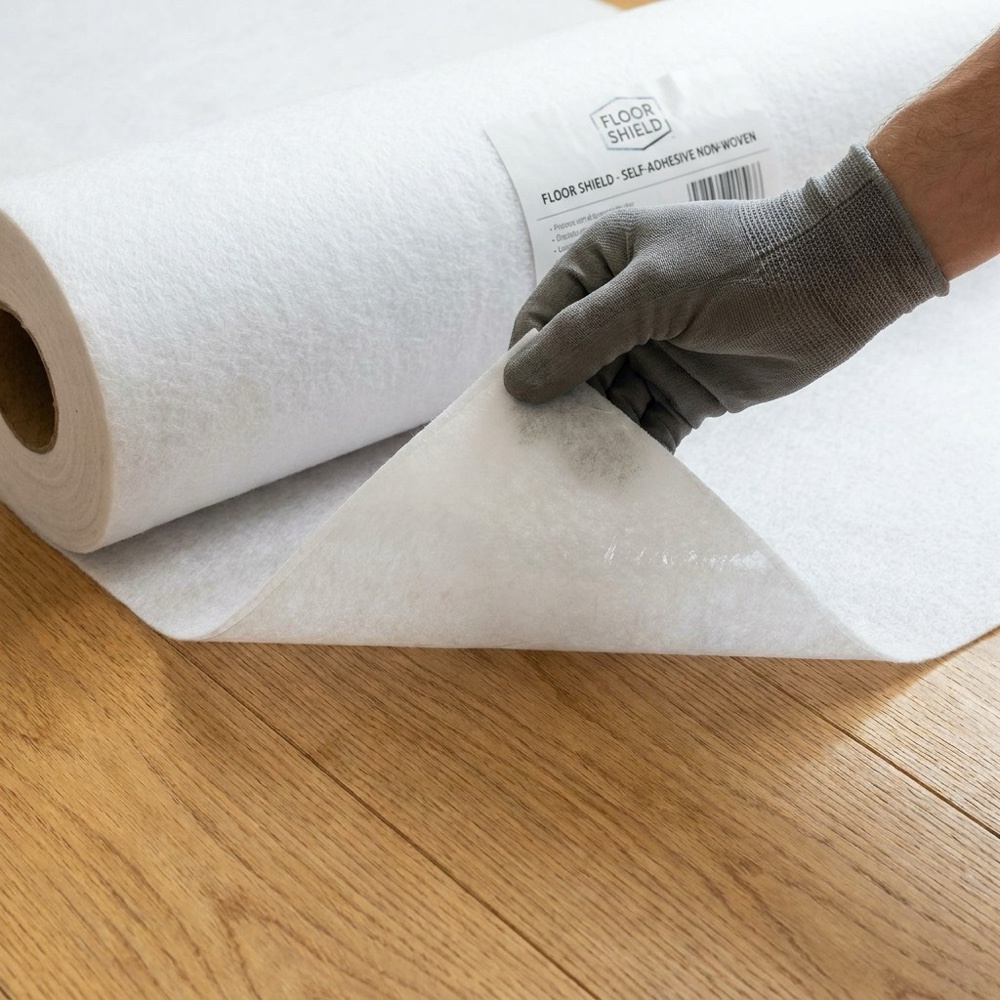
 Wholesale Engineering Grade Non Woven Geotextile Liner for Impermeable Projects Changshu Hui Le Nonwovens Products Co., Ltd is China Engineering Grade Non Woven Geotextile Liner for Impermeable Projects supplier and c...View Product →
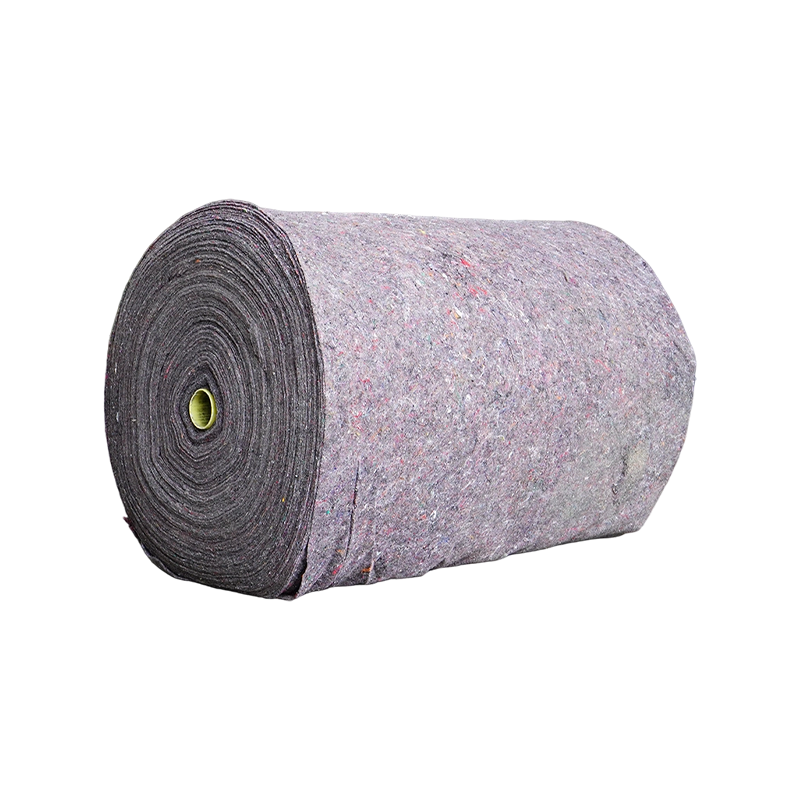
For agriculture, the comparison is different. If the main requirement is frost protection, the fiber type matters less than the trapped air and cover weight. You can compare a fossil-free fleece with our heavy-duty non-woven insulation fleece for agricultural cold protection and check which one stays drier through winter condensation. A wet natural fiber insulates poorly, so moisture behavior is decisive.
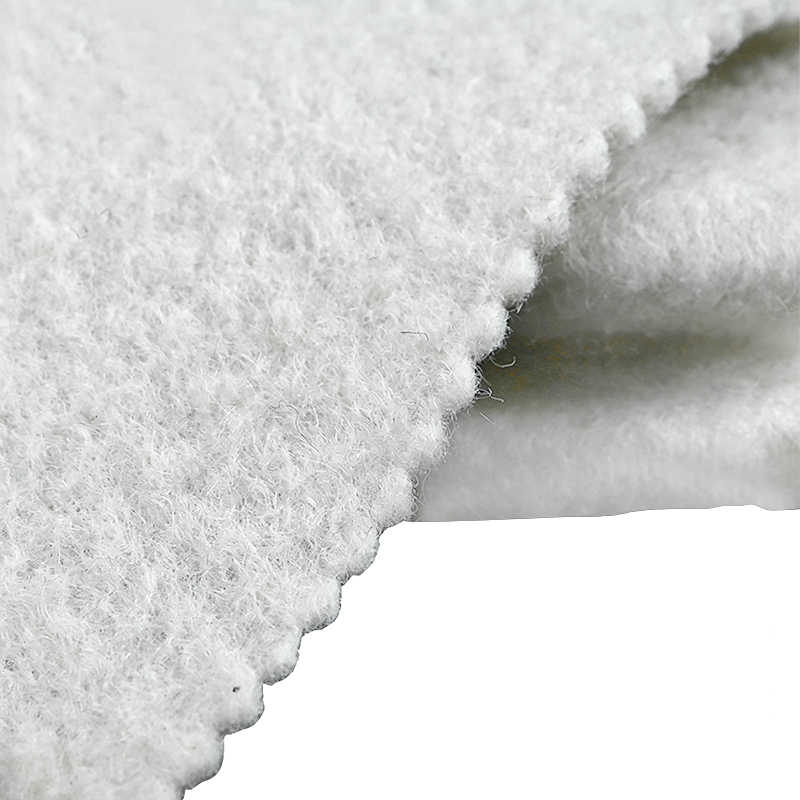
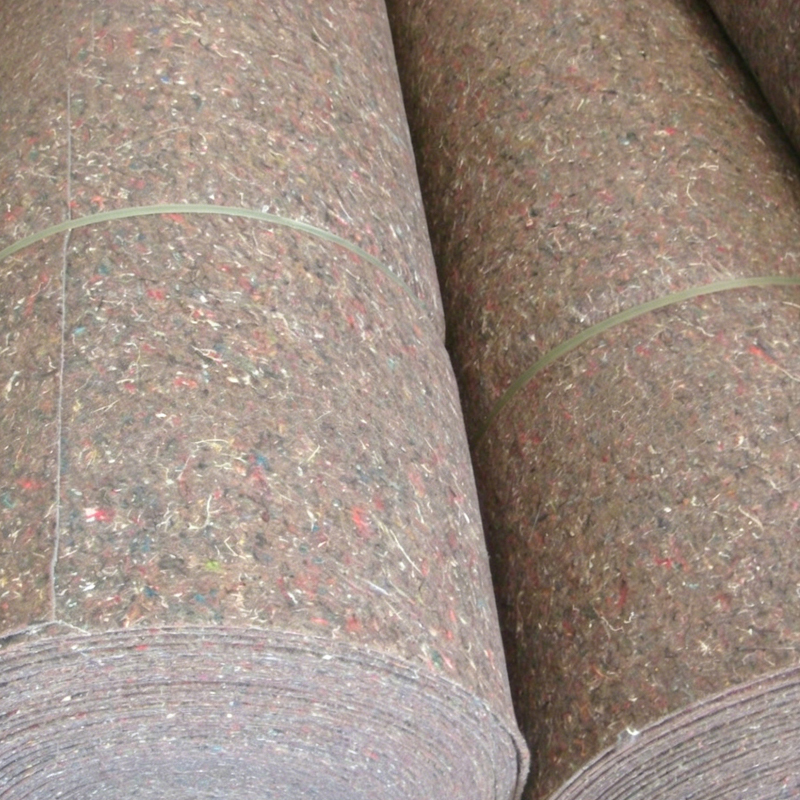 Wholesale Heavy Duty Non Woven Insulation Fleece for Agricultural Cold ProtectioChangshu Hui Le Nonwovens Products Co., Ltd is China Heavy Duty Non Woven Insulation Fleece for Agricultural Cold Protection supplier and...View Product →
Send your specification to us through our contact page before you finalize the material grade. We will give you an honest answer about whether the fossil-free option can survive the actual site conditions.
Fossil-free nonwoven is not a gimmick, but it is not a single material either. When the application is temporary and moisture is controlled, plant-based fibers can perform well. When the structure is permanent and the load is heavy, a synthetic nonwoven remains the safer choice. Decide what the product must do, define the performance numbers, and then choose the fiber. That is the only reliable path to a nonwoven that is truly fossil-free and truly fit for purpose.
Contact Us
Your email address will not be published. Required field are marked*
Categories
- Company News(3)
- Industry News(8)

Contact Us
1337540116@qq.com