 en
en Français
 Español

Contact Us
Need Help? Email Us Now
1337540116@qq.com
-
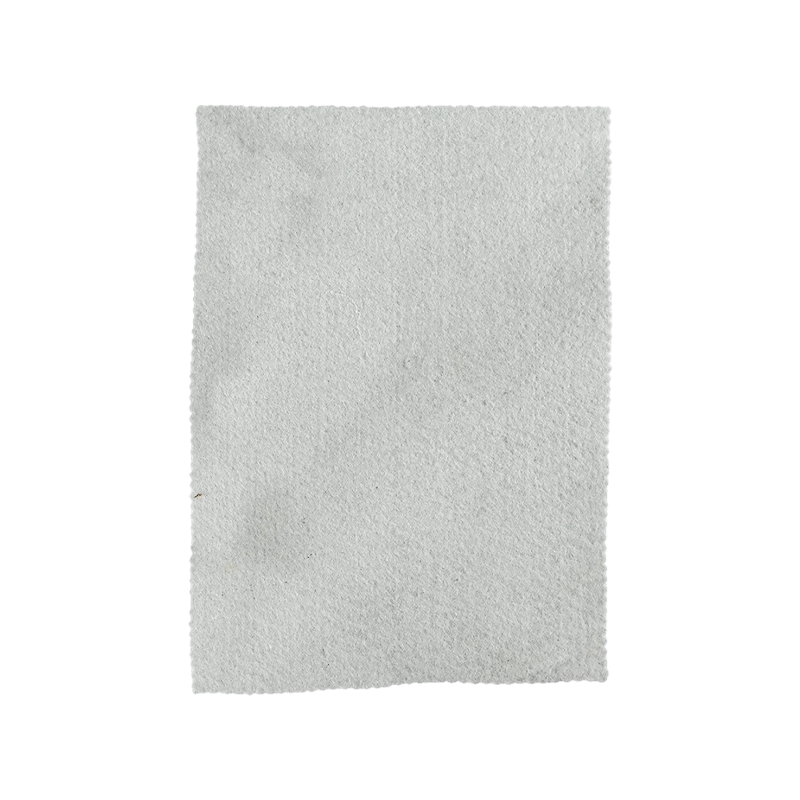


240gsm Polyester Non Woven Geotextile for Highway Curing
-
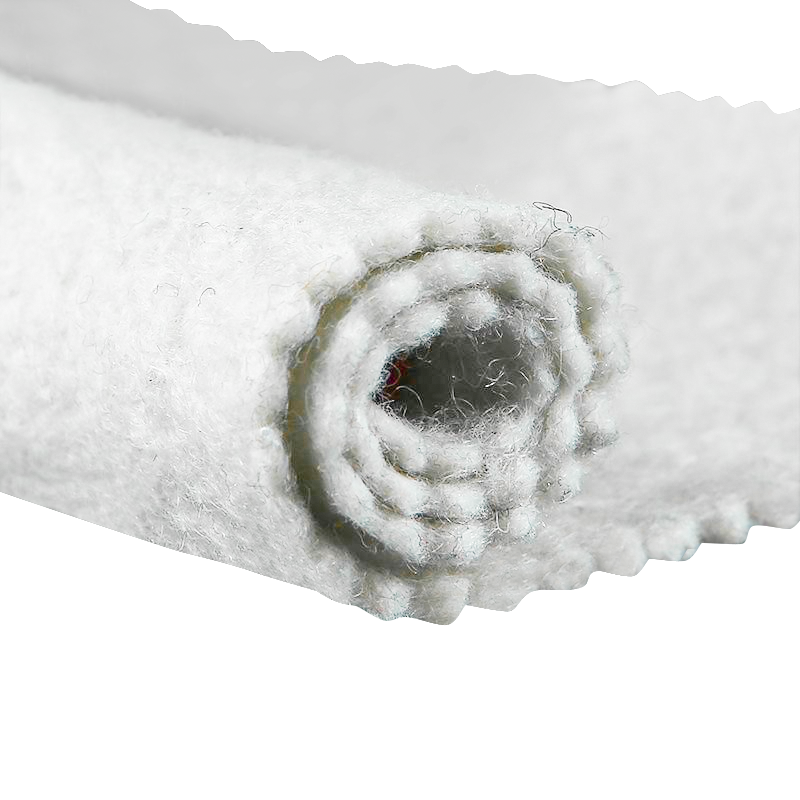
Polyester Short Filament Non-Woven Geotextile for Concrete Curing
-
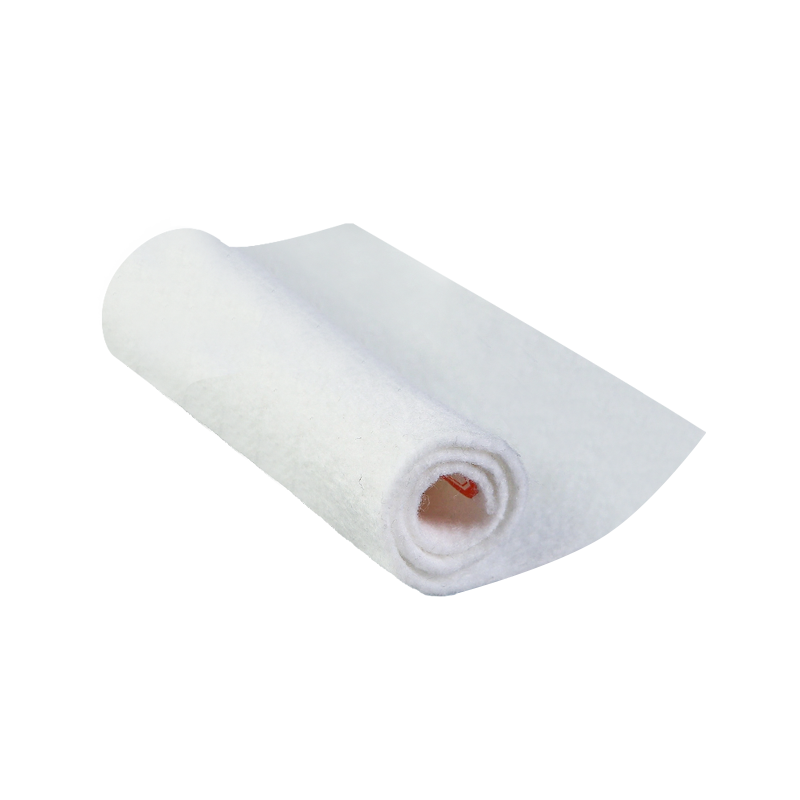
Standard White Non-Woven Geotextile for Road Drainage & Filtration
-
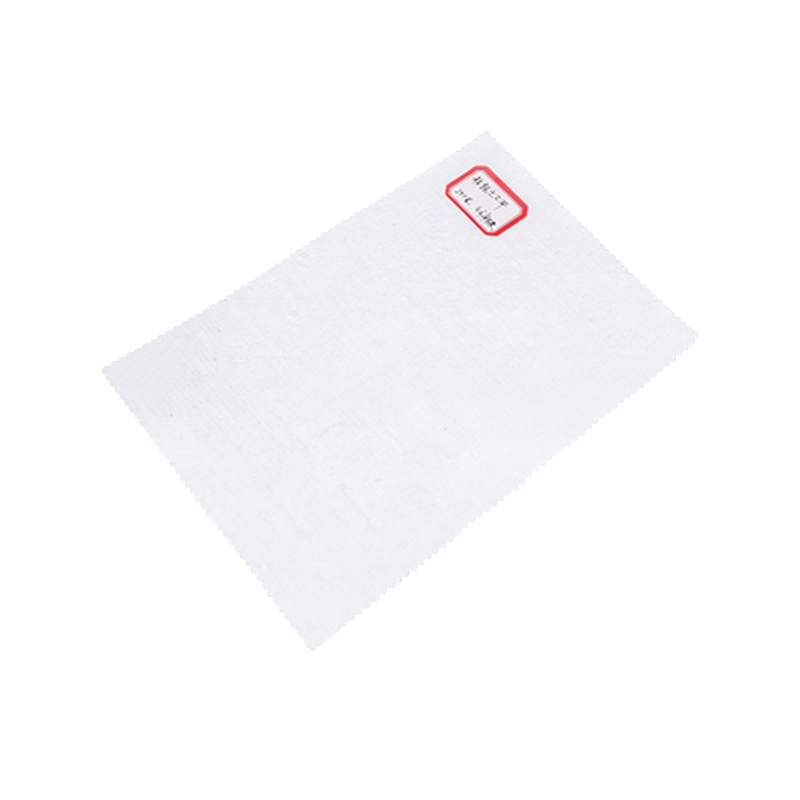
Needle Punched Non Woven Geotextile for Road Subgrade Drainage
-
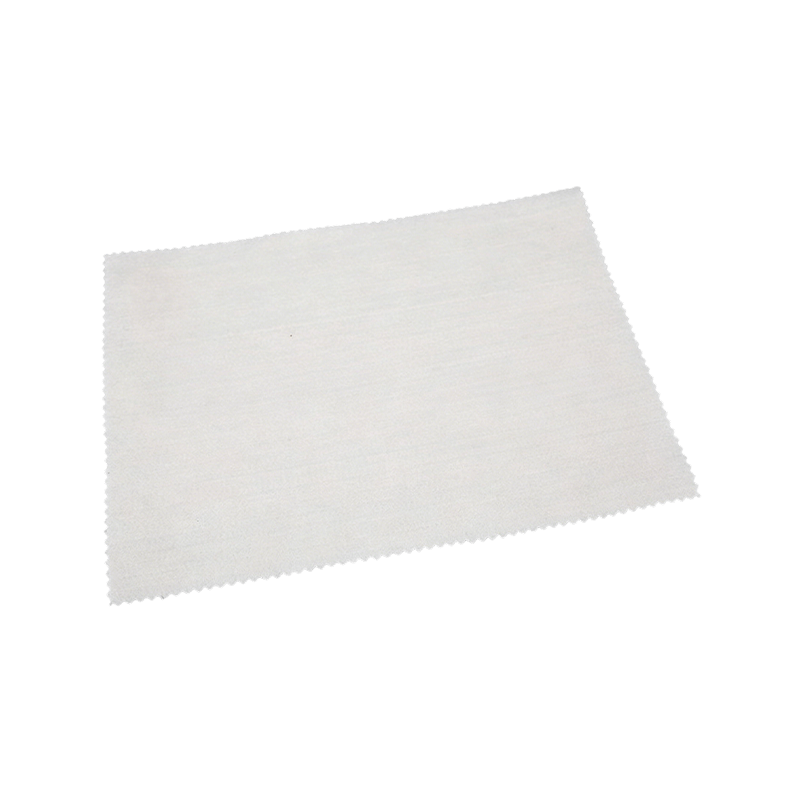
Ready to Ship Permeable Polyester Geotextile for Asphalt Road Curing
Road & concrete curing geotextiles are widely used in road subgrades, cement pavements, bridge construction, and municipal engineering projects. The product is typically made from high-quality polyester or polypropylene fibers and manufactured through needle-punching or thermal bonding processes. It features excellent moisture retention, breathability, and tensile strength, effectively reducing rapid surface water evaporation from concrete and slowing down the hydration reaction rate, thereby improving the strength and durability of concrete. In road construction, this type of geotextile also provides moisture retention curing, separation, protection, and crack prevention functions. It helps reduce the impact of temperature fluctuations and external environmental conditions on structural layers, minimizing the risk of early-stage cracking. In addition, its good flexibility and construction adaptability make it easy to lay and reposition, allowing for repeated coverage and efficient use in curing applications.
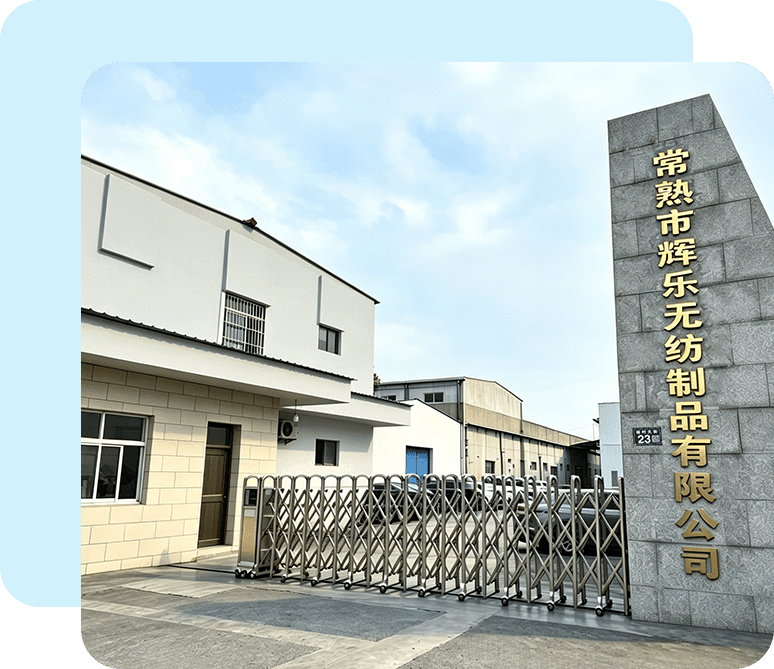
Changshu Hui Le Nonwovens Products Co., Ltd.
Changshu Hui Le Nonwovens Products Co., Ltd is reliable China road construction geotextile Manufacturer and concrete curing geotextiles fabric factory. We are located in Zhitang Town of Changshu City, a place reputed as "China’s Famous Town for Nonwoven Equipment" and "Hometown of Textiles". It is a powerful manufacturer specializing in the production of needle-punched nonwovens, geotextiles, film-coated nonwovens, PE woven fabric composite felts, nonwoven bags, color film woven bags and other products.
The enterprise boasts a modern standard factory building covering over 3,000 square meters, together with supporting office and living areas, professional teams for R&D, production and quality inspection, as well as a sophisticated management system. It is equipped with relatively advanced automatic production lines and professional testing equipment among its peers. Its products are widely applied in construction and road-bridge engineering, interior decoration, large-scale exhibitions, supermarket shopping, product packaging and other sectors.
Main Production & Sales Scope: Manufacturing, processing and sales of nonwoven fabrics, threads, yarns and knitted textiles, as well as auto parts; sales of textile raw materials, chemical fiber raw materials and garment accessories, plus spray-bonded cotton. Our products sell well nationwide. Adhering to the business philosophy of "Customer-oriented Service, Forging Ahead", we uphold the principle of prioritizing customer service to provide all-round support for clients. Friends from all walks of life are warmly welcomed to visit us for guidance and business negotiations.
We take "Survive by Quality, Develop by Reputation" as our core tenet, and meeting customers’ demands is the working goal of all our staff. We sincerely seek cooperation with all sectors of society to jointly create a promising future.
Our first-class production and testing equipment, premium-quality products and thoughtful services have won recognition from numerous construction enterprises and project owners.
With increased and accelerated national investment in the construction of highways, railways, water conservancy, power and environmental protection projects, we will redouble our efforts to continuously upgrade our products and pursue technological innovation, rewarding all sectors of society with even more outstanding achievements.
Certificate Of Honour
News and Information
Working together to create a better future
Contact Us
Road & Concrete Curing Geotextiles Industry knowledge
Road & Concrete Curing Geotextiles: Procurement Overview
Road and concrete curing geotextiles are engineered nonwoven fabrics that control moisture loss during concrete hydration, provide separation between pavement layers, and reduce early-age cracking. A Road & Concrete Curing Geotextiles manufacturer supplies these materials for highway subgrades, bridge decks, airport runways, and municipal pavements. The fabric retains water, slows evaporation, and maintains uniform temperature, directly improving compressive strength and durability. Procurement decisions hinge on fiber type, weight, tensile strength, permeability, and roll dimensions matched to site logistics.
Material Selection: Polyester vs. Polypropylene
Fiber choice determines chemical resistance, UV stability, and cost. Polyester (PET) offers higher tensile strength and better UV resistance for exposed curing blankets. Polypropylene (PP) provides superior chemical resistance and lower cost for buried separation layers. Evaluate based on project duration and exposure.
- Polyester (PET): Tensile strength 8–25 kN/m, melting point ~260°C, good UV resistance. Use for long-term curing blankets, highway overlays, and exposed applications.
- Polypropylene (PP): Tensile strength 6–20 kN/m, melting point ~160°C, excellent chemical resistance. Use for subgrade separation, drainage, and buried layers where UV exposure is minimal.
Critical Specifications and Trade-offs
Specify weight (grams per square meter, gsm), tensile strength, CBR puncture resistance, and apparent opening size (AOS). Heavier fabrics (200–400 gsm) provide higher strength and moisture retention but increase cost and handling weight. Lighter fabrics (100–200 gsm) suit temporary curing or separation where strength demands are lower.
| Parameter | Typical Range | Selection Guidance |
|---|---|---|
| Weight (gsm) | 100–400 | Higher gsm for heavy traffic, longer curing; lower for temporary works |
| Tensile Strength (kN/m) | 6–25 | Match to installation stresses and subgrade conditions |
| CBR Puncture (N) | 500–3000 | Higher for coarse aggregates or construction traffic |
| Permeability (cm/s) | 0.1–1.0 | Balance water retention with drainage needs |
| Roll Width (m) | 1–6 | Wider rolls reduce seams but require handling equipment |
Application-Specific Configurations
Different curing scenarios demand tailored geotextile properties. For concrete pavement curing, prioritize high water retention and uniform thickness. For asphalt overlay interlayers, specify high bitumen absorption and heat resistance. For subgrade separation, focus on puncture resistance and filtration compatibility.
- Concrete Curing Blankets: 200–300 gsm polyester, needle-punched, white or light-colored to reflect heat. Require high water absorption and slow release.
- Asphalt Interlayers: 150–250 gsm polypropylene or polyester, heat-set for dimensional stability. Must withstand paving temperatures up to 160°C.
- Subgrade Separation: 100–200 gsm, high CBR puncture, AOS matched to soil gradation to prevent fines migration.
Integration with Construction Processes
Geotextile curing fabrics must integrate with slipform pavers, manual placement crews, and curing compound sprayers. Specify roll lengths that minimize joints and overlap widths (typically 300–500 mm). For mechanized placement, request core plugs or dispenser compatibility. Confirm that the fabric can be wetted and re-wetted without degradation over the curing period (usually 7–14 days).
Quality Assurance and Acceptance Testing
Define acceptance criteria in the purchase order. Require mill certificates for each batch showing weight, tensile strength, elongation, CBR, and AOS per ASTM or ISO standards. On-site testing can include weight checks, simple tensile tests, and water retention rate verification. For critical projects, request third-party testing from an accredited lab.
- ASTM D4632: Grab tensile strength and elongation
- ASTM D6241: CBR puncture resistance
- ASTM D4751: Apparent opening size
- ASTM D4491: Permittivity/permeability
Customization and Supplier Capabilities
A Road & Concrete Curing Geotextiles supplier can tailor weight, width, color, and packaging. Discuss minimum order quantities (MOQ) for custom runs. Standard colors are white, gray, or black; white is preferred for heat reflection. UV stabilization additives extend service life for exposed applications. Confirm lead times for custom specifications, which may add 2–4 weeks.
Buyer RFQ Checklist
| RFQ Item | Required Data |
|---|---|
| Fiber type | Polyester or polypropylene, staple or continuous filament |
| Weight (gsm) | Target and tolerance (e.g., 200 ±10%) |
| Roll dimensions | Width x length, core inner diameter |
| Mechanical properties | MD/CD tensile, elongation, CBR puncture, trapezoidal tear |
| Hydraulic properties | Permeability, permittivity, AOS |
| Durability | UV resistance (if exposed), chemical resistance |
| Packaging | Wrapped, labeled, palletized; weather protection |
| Certifications | ISO 9001, CE marking, specific test reports |
| Lead time | Ex-works or FOB, production and shipping schedule |
| Warranty | Coverage for manufacturing defects, duration |
Maintenance, Spare Parts, and Lifecycle Cost
Geotextiles are consumable; no maintenance is required after installation. Evaluate total cost per square meter including shipping, handling, and waste factor (typically 5–10% for overlaps and cuts). Compare supplier pricing on a delivered basis. Consider inventory programs for multi-phase projects to lock in pricing and ensure consistent quality.
Supplier Evaluation Criteria
Assess the manufacturer’s production capacity, quality control system, and export experience. A Road & Concrete Curing Geotextiles factory in China should demonstrate consistent needle-punching lines, in-house testing, and reference projects. Request samples for lab verification before bulk orders. Verify compliance with international standards and ask for third-party audit reports if available.
Frequently Asked Questions
Q: What is the difference between curing geotextiles and standard separation geotextiles?
A: Curing geotextiles are optimized for water retention and evaporation control, often with higher absorbency and lighter colors. Separation geotextiles prioritize filtration and puncture resistance. Some products serve dual purposes, but verify specifications for the primary function.
Q: How do I determine the required weight (gsm) for my project?
A: Base it on traffic loading, subgrade strength, and curing duration. For heavy highway pavements, 250–300 gsm is common. For light-duty or temporary works, 150–200 gsm may suffice. Consult design standards or request manufacturer recommendations.
Q: Can these geotextiles be used with curing compounds?
A: Yes, they are often used in combination. Apply the curing compound first, then cover with the geotextile to enhance moisture retention. Ensure chemical compatibility between the compound and the fabric.
Q: What packaging options are available for export orders?
A: Standard packaging includes PE film wrapping and palletizing. Custom labeling, shrink-wrapping, and container loading plans can be arranged. Specify weather protection for sea freight.
Q: How do I verify quality consistency across batches?
A: Require mill test certificates for each batch and perform incoming inspection on weight, tensile, and permeability. For critical projects, retain samples and conduct periodic third-party testing.
Related Category and Product Options
Compare 240gsm Polyester Non Woven Geotextile for Highway Curing against the required application, operating range and interface before finalizing the RFQ.
Get In Touch
Copyright © Changshu Hui Le Nonwovens Products Co., Ltd.
Custom Geotextile Fabric For Road Construction Manufacturer
