 en
en Français
 Español

Contact Us
Need Help? Email Us Now
1337540116@qq.com
-
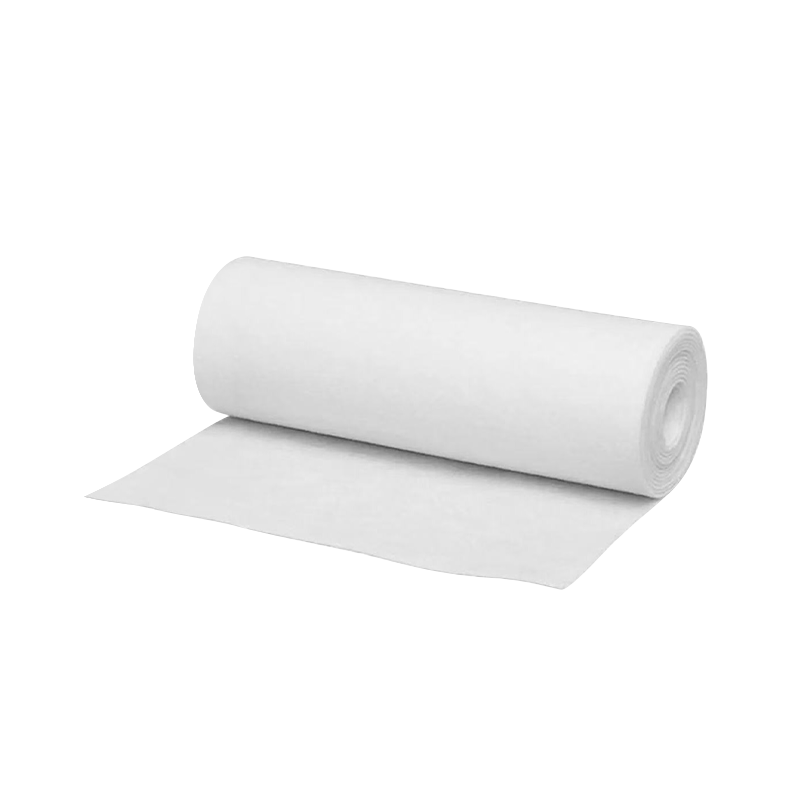


Non Woven Geotextile for Subgrade and Slope Stabilization
-
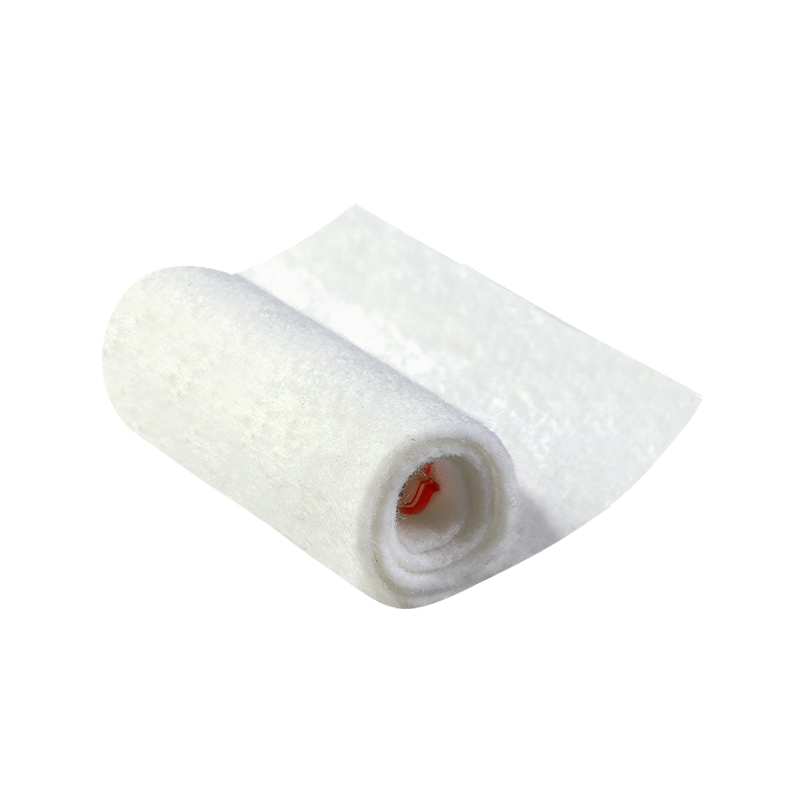
Standard Specification Needle Punched Non Woven Polyester Geotextile
-
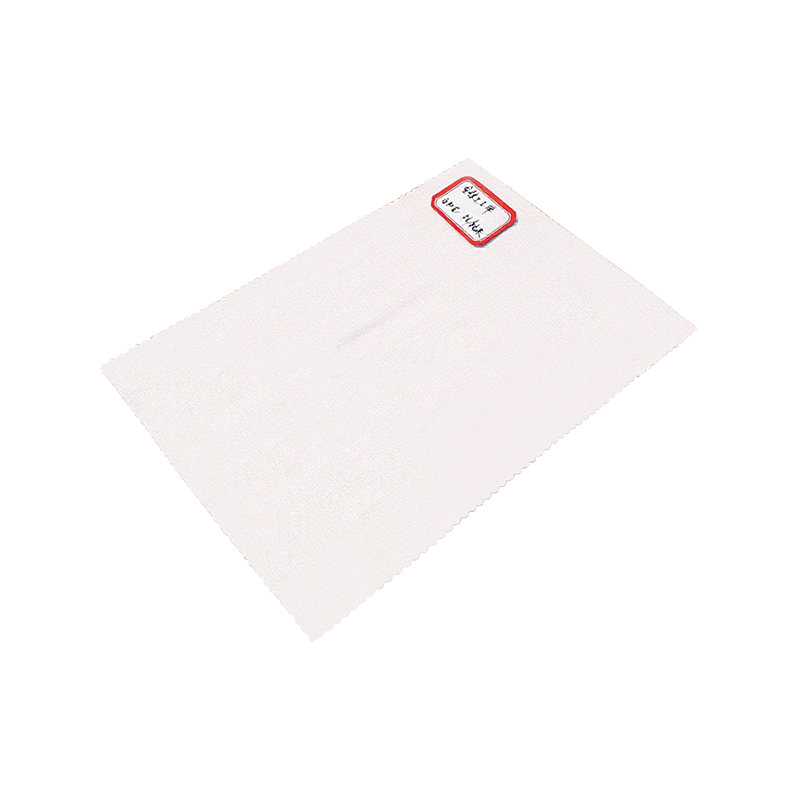
Engineering Grade Non Woven Geotextile Liner for Impermeable Projects
-
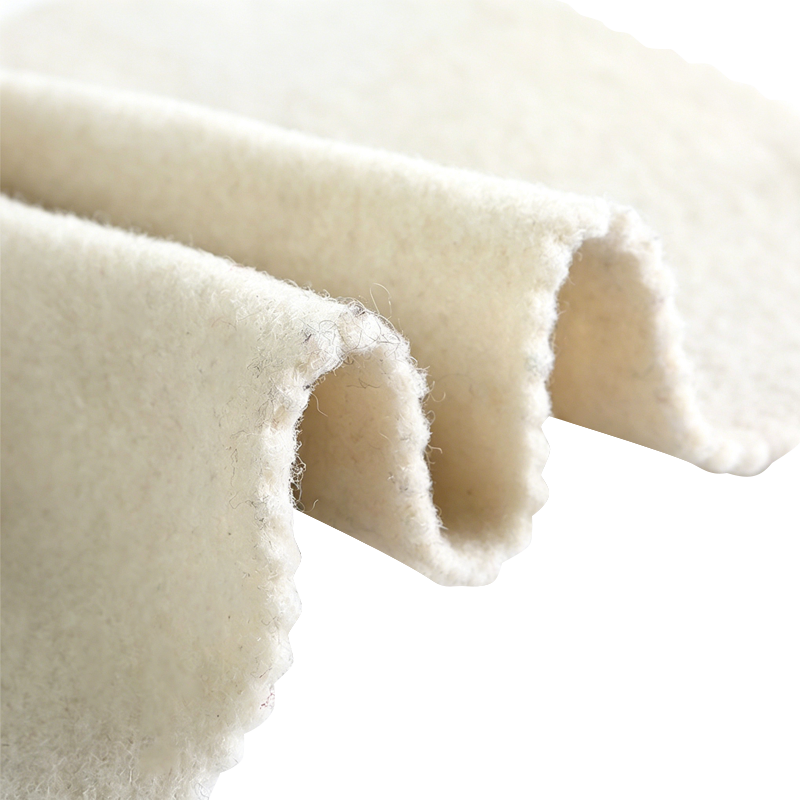
High Permeability White Non Woven Geotextile for Road Drainage
-
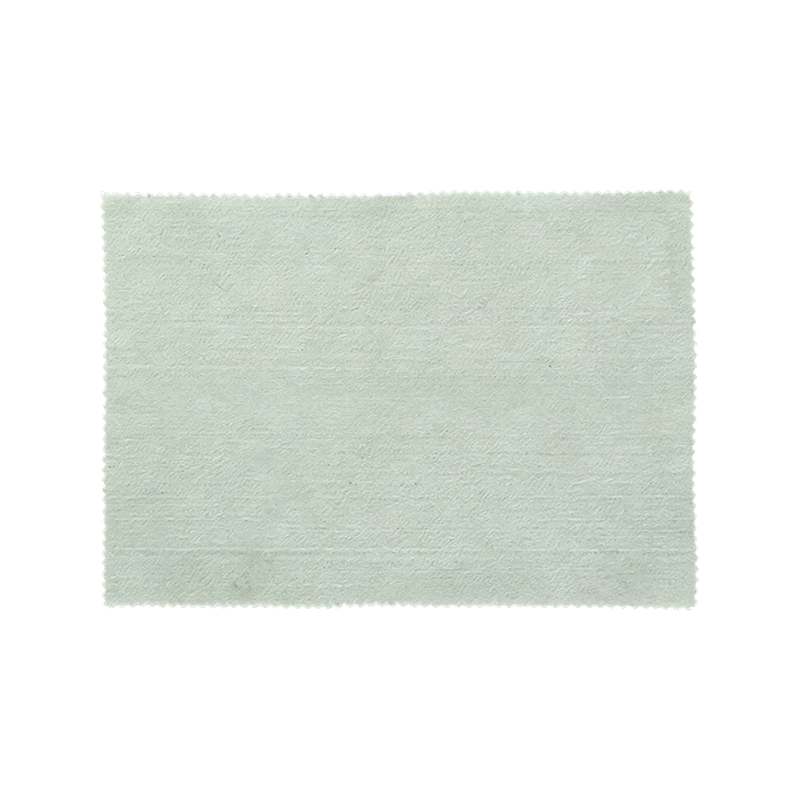
Polyester Needle Punched Geotextile for Highway Pavement Curing
-
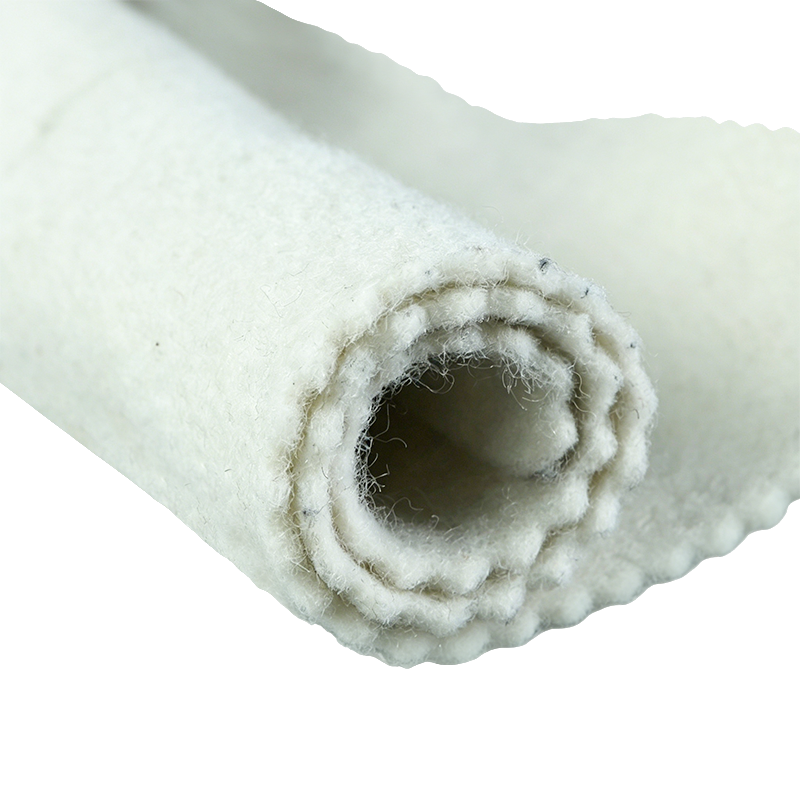
Non-Woven Geotextile Fabric for Complex Geotechnical Projects
Subgrade & slope protection geotextiles are made of high-strength polyester or polypropylene staple fibers through a needle-punched manufacturing process. They feature excellent tensile strength, corrosion resistance, and permeability, enabling effective stress dispersion, improved soil stability, and prevention of soil erosion under complex geological conditions. In subgrade engineering, they enhance the overall bearing capacity of the base layer and reduce settlement and deformation. In slope protection applications, they can work together with vegetation restoration or protective structures to form a stable ecological protection system, minimizing the risks of rainfall erosion and weathering. In addition, this product offers good drainage performance and durability, making it suitable for long-term outdoor engineering environments.
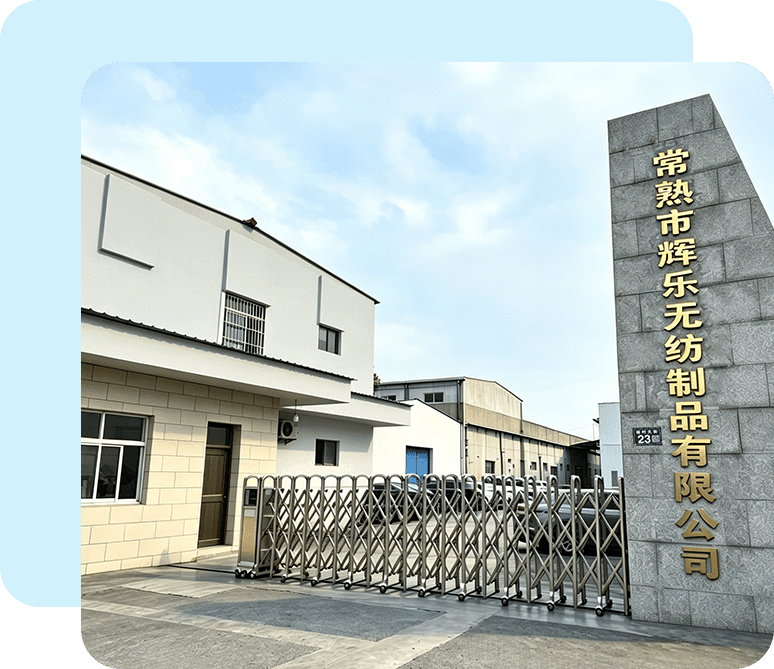
Changshu Hui Le Nonwovens Products Co., Ltd.
Changshu Hui Le Nonwovens Products Co., Ltd is reliable China Subgrade Slope Geotextile Roll Manufacturer and geotextile roll for slope protection erosion control factory. We are located in Zhitang Town of Changshu City, a place reputed as "China’s Famous Town for Nonwoven Equipment" and "Hometown of Textiles". It is a powerful manufacturer specializing in the production of needle-punched nonwovens, geotextiles, film-coated nonwovens, PE woven fabric composite felts, nonwoven bags, color film woven bags and other products.
The enterprise boasts a modern standard factory building covering over 3,000 square meters, together with supporting office and living areas, professional teams for R&D, production and quality inspection, as well as a sophisticated management system. It is equipped with relatively advanced automatic production lines and professional testing equipment among its peers. Its products are widely applied in construction and road-bridge engineering, interior decoration, large-scale exhibitions, supermarket shopping, product packaging and other sectors.
Main Production & Sales Scope: Manufacturing, processing and sales of nonwoven fabrics, threads, yarns and knitted textiles, as well as auto parts; sales of textile raw materials, chemical fiber raw materials and garment accessories, plus spray-bonded cotton. Our products sell well nationwide. Adhering to the business philosophy of "Customer-oriented Service, Forging Ahead", we uphold the principle of prioritizing customer service to provide all-round support for clients. Friends from all walks of life are warmly welcomed to visit us for guidance and business negotiations.
We take "Survive by Quality, Develop by Reputation" as our core tenet, and meeting customers’ demands is the working goal of all our staff. We sincerely seek cooperation with all sectors of society to jointly create a promising future.
Our first-class production and testing equipment, premium-quality products and thoughtful services have won recognition from numerous construction enterprises and project owners.
With increased and accelerated national investment in the construction of highways, railways, water conservancy, power and environmental protection projects, we will redouble our efforts to continuously upgrade our products and pursue technological innovation, rewarding all sectors of society with even more outstanding achievements.
Certificate Of Honour
News and Information
Working together to create a better future
Contact Us
Subgrade & Slope Protection Geotextiles Industry knowledge
Subgrade & Slope Protection Geotextiles: Procurement Decision Framework
Subgrade & slope protection geotextiles are needle-punched nonwoven fabrics engineered from polyester or polypropylene staple fibers. They separate soil layers, filter fines, drain pore water, and reinforce weak subgrades. For procurement managers and geotechnical engineers, the selection turns on four interdependent variables: tensile strength at defined strain, puncture resistance, effective opening size (EOS), and permeability. These geotextiles prevent aggregate contamination, reduce differential settlement, and stabilize embankments and cut slopes under cyclic traffic loading and hydraulic stress.
As a Subgrade & Slope Protection Geotextiles manufacturer, Changshu Hui Le Nonwovens supplies a range of needle-punched nonwoven geotextiles designed for separation, filtration, drainage, and reinforcement in civil infrastructure. The product line includes standard polyester grades, high-permeability white variants for drainage, and engineering-grade liners for impermeable projects. Each configuration addresses a specific failure mechanism: base course intrusion, pore pressure buildup, or surface erosion.
Application Fit and Process Requirements
Match the geotextile to the primary function. Separation applications under paved roads or railways demand high grab tensile strength and puncture resistance to survive installation stresses. Filtration and drainage applications behind retaining walls or under riprap require controlled EOS to prevent soil piping while maintaining permeability. Slope protection with vegetation relies on UV-stabilized fabrics that retain moisture and resist surface erosion until root systems establish.
- Subgrade separation: 200–400 g/m² polyester, grab tensile ≥ 700 N, CBR puncture ≥ 1500 N. Prevents aggregate migration into soft subgrade.
- Slope drainage and erosion control: 150–300 g/m², high permittivity (≥ 0.5 s⁻¹), UV resistance ≥ 70% after 500 hours. Often combined with turf reinforcement mats.
- Impermeable lining protection: 300–600 g/m² engineering-grade nonwoven as cushion for HDPE or PVC geomembranes. High puncture resistance and chemical compatibility.
- Road drainage: High-permeability white geotextile, 150–250 g/m², permittivity ≥ 1.0 s⁻¹, used in edge drains and underdrains.
Critical Specifications and Trade-offs
Specify mechanical, hydraulic, and durability properties based on the design life and site conditions. The table below summarizes key parameters and their procurement implications.
| Property | Typical Range | Procurement Decision |
|---|---|---|
| Mass per unit area | 100–600 g/m² | Higher mass increases strength and durability but raises cost and handling weight. Select based on required mechanical properties, not mass alone. |
| Grab tensile strength (ASTM D4632) | 400–1500 N | Higher values needed for soft subgrades with large aggregate. Confirm both machine and cross-machine direction values. |
| CBR puncture resistance (ASTM D6241) | 1000–4000 N | Critical for separation under coarse, angular aggregate. Specify minimum 1500 N for typical roadways. |
| Apparent opening size (AOS, ASTM D4751) | 0.075–0.425 mm | Must be smaller than the D85 of the protected soil to prevent piping. Tighter AOS reduces permeability; balance filtration and drainage. |
| Permittivity (ASTM D4491) | 0.2–2.0 s⁻¹ | Higher values improve drainage but may allow soil loss. Match to soil hydraulic conductivity and gradient. |
| UV resistance (ASTM D4355) | % strength retained after 500 h | For exposed slope applications, specify ≥ 70% retention. For buried applications, UV resistance is less critical. |
Always request certified test reports from an accredited lab. For critical projects, conduct pre-construction conformance testing on delivered rolls.
Configuration and Line Integration
Geotextile rolls are typically supplied in widths of 2–6 meters and lengths of 50–200 meters. Specify roll dimensions to minimize field seams. Overlap requirements depend on subgrade strength: 300–600 mm for soft soils, 150–300 mm for firm ground. For slope applications, anchor trenches at the crest and toe are essential.
Integration with other geosynthetics is common. In composite lining systems, a nonwoven geotextile acts as a cushion and drainage layer above or below a geomembrane. For reinforced slopes, geotextiles can be combined with geogrids; the nonwoven provides filtration and separation while the geogrid carries tensile loads. Confirm compatibility of polymer types to avoid long-term degradation.
Quality Assurance and Acceptance Testing
Establish a QA/QC protocol in the procurement contract. At minimum, require the Subgrade & Slope Protection Geotextiles supplier to provide mill certificates for each lot, including mass per unit area, tensile strength, elongation, puncture resistance, and AOS. For large projects, implement a sampling plan: one random sample per 10,000 m² for conformance testing.
On-site inspection should verify roll identification, packaging integrity, and visual uniformity. Reject rolls with tears, discoloration, or inconsistent thickness. For slope protection, confirm UV stabilization by checking the manufacturer's additive package or requesting accelerated weathering test data.
Customization and Supplier Evaluation
Standard products may not fit every project. Evaluate the manufacturer's ability to customize mass per unit area, width, and polymer type. For example, a Subgrade & Slope Protection Geotextiles factory should offer polyester or polypropylene options, with UV and flame-retardant additives if needed. Ask about minimum order quantities for custom runs and lead-time impact.
Assess the supplier's production capacity, quality management system, and logistics reliability. A factory with automated needle-punching lines and in-house testing labs can ensure consistent quality. Request references from similar geotechnical projects and verify on-time delivery performance.
Maintenance, Spare Parts, and Lifecycle Cost
Buried geotextiles require no maintenance if designed correctly. For exposed slope applications, inspect annually for UV degradation, vandalism, or animal damage. Repair small tears with patches of the same material, sewn or heat-bonded. Calculate total cost of ownership by comparing initial material cost, installation labor, and expected service life. A higher-grade geotextile with superior durability often reduces long-term risk and maintenance expense.
Buyer RFQ Checklist
Include these data points in your request for quotation to obtain comparable bids:
| RFQ Item | Specification Required |
|---|---|
| Product type | Nonwoven needle-punched geotextile, polymer type (PET/PP) |
| Mass per unit area | g/m² (e.g., 200, 300, 400) |
| Mechanical properties | Grab tensile strength (MD/CD), elongation, CBR puncture, trapezoidal tear |
| Hydraulic properties | AOS, permittivity, permeability |
| Durability | UV resistance (% retained after 500 h), chemical resistance if needed |
| Roll dimensions | Width (m), length (m), core diameter |
| Quantity | Total square meters, number of rolls |
| Certifications | ISO, CE, or project-specific standards; test reports from accredited lab |
| Packaging and delivery | UV-protective wrapping, palletization, lead time, incoterms |
| Warranty | Duration and coverage for manufacturing defects |
Frequently Asked Questions
What is the difference between polyester and polypropylene geotextiles for subgrade?
Polyester (PET) offers higher tensile strength and modulus, better creep resistance, and superior performance in alkaline soils. Polypropylene (PP) is lighter, more chemical-resistant in acidic environments, and often lower cost. For most subgrade separation applications, PET is preferred for its mechanical robustness.
How do I determine the required geotextile strength for a soft subgrade?
Use the design method in AASHTO M288 or similar standards. Input subgrade CBR, aggregate size, and traffic loads. The geotextile must survive installation stresses without tearing. A minimum grab tensile of 700 N and CBR puncture of 1500 N is common for moderate conditions; increase for very soft soils (CBR < 1).
Can these geotextiles be used for slope erosion control without vegetation?
Yes, but UV-stabilized grades are essential. The fabric reduces raindrop impact and surface runoff velocity. However, for long-term exposed slopes, combine with turf reinforcement mats or hydroseeding to establish vegetation, which provides superior long-term erosion protection.
What certifications should I request from a geotextile supplier?
Request ISO 9001 for quality management. For products sold in the EU, CE marking per EN 13249, EN 13251, or EN 13253 is required. Always ask for independent lab test reports (e.g., from GAI-LAP accredited labs) for each lot, not just type tests.
How should geotextile rolls be stored on site?
Store rolls on a clean, level surface, protected from direct sunlight, mud, and mechanical damage. Keep them wrapped in UV-resistant packaging until installation. Avoid stacking more than four rolls high to prevent deformation.
Related Category and Product Options
Compare Non Woven Geotextile for Subgrade and Slope Stabilization, Standard Specification Needle Punched Non Woven Polyester Geotextile, Engineering Grade Non Woven Geotextile Liner for Impermeable Projects against the required application, operating range and interface before finalizing the RFQ.
Get In Touch
Copyright © Changshu Hui Le Nonwovens Products Co., Ltd.
Custom Geotextile For Slope Stabilization Protection Manufacturer
