 en
en Français
 Español

Contact Us
Need Help? Email Us Now
1337540116@qq.com
-
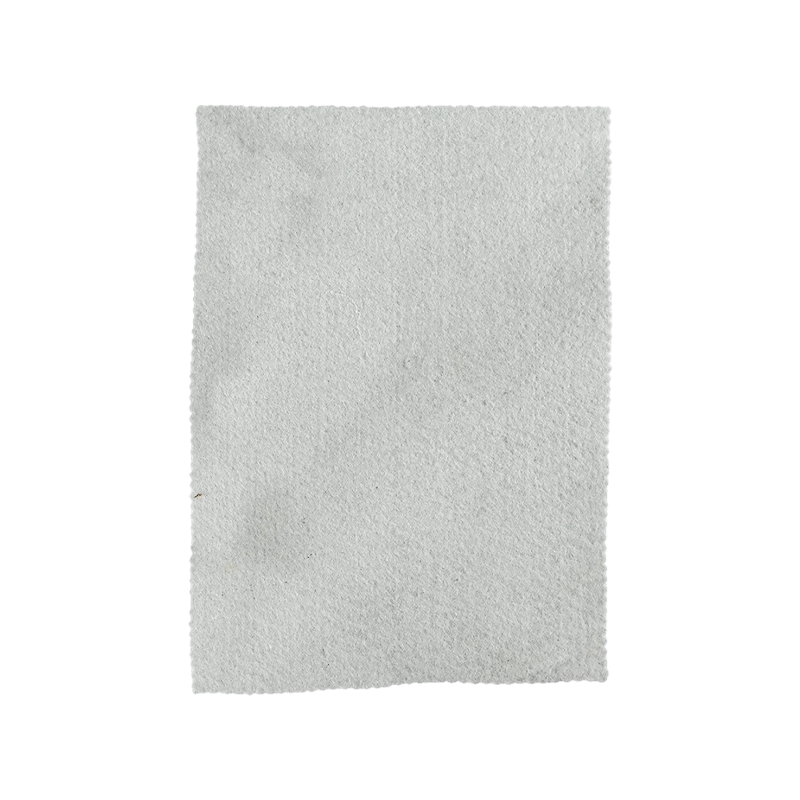


240gsm Polyester Non Woven Geotextile for Highway Curing
-
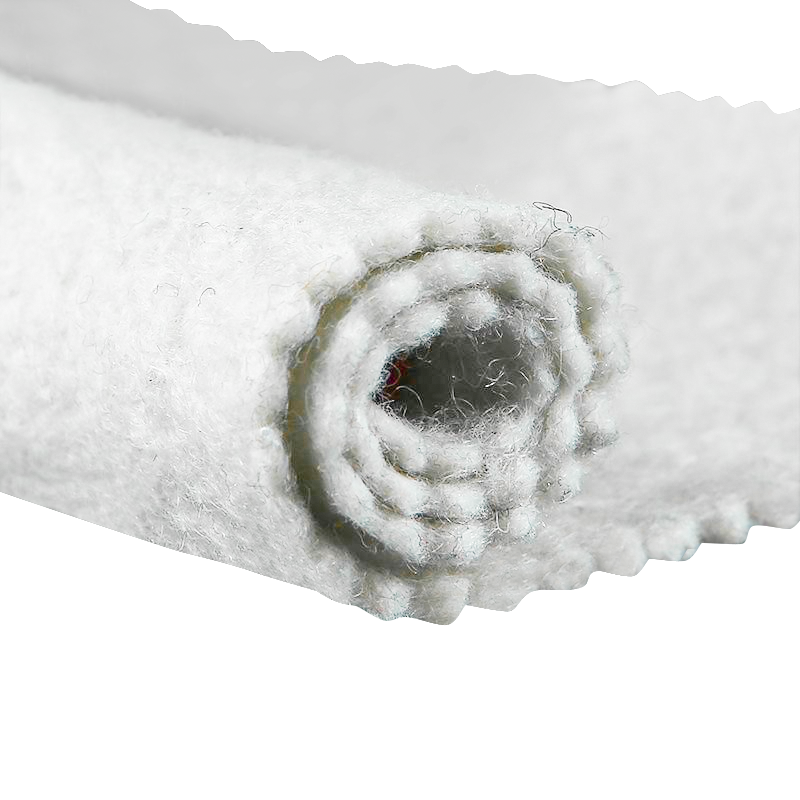
Polyester Short Filament Non-Woven Geotextile for Concrete Curing
-
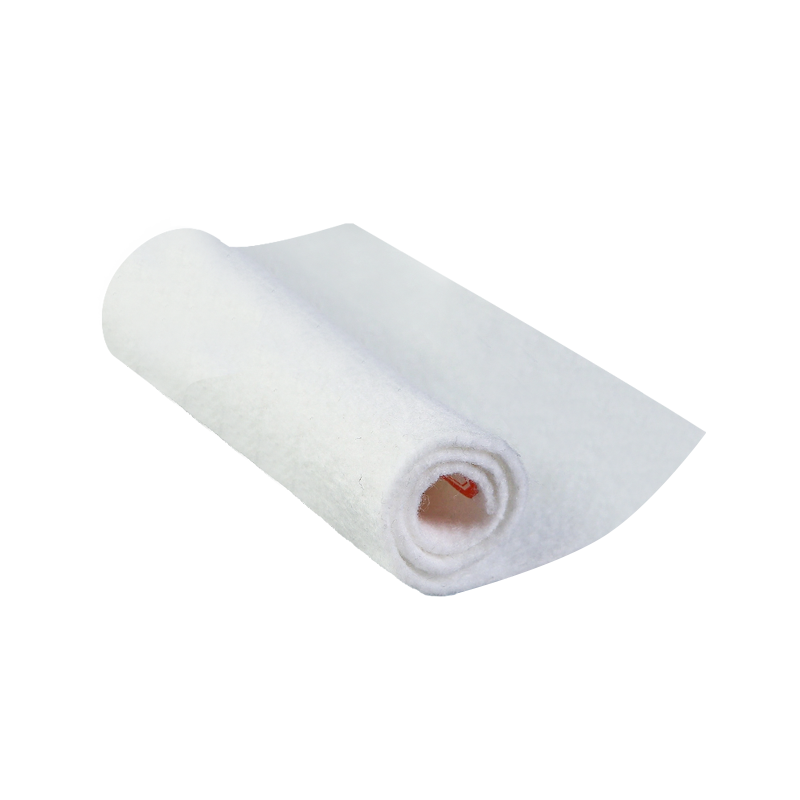
Standard White Non-Woven Geotextile for Road Drainage & Filtration
-
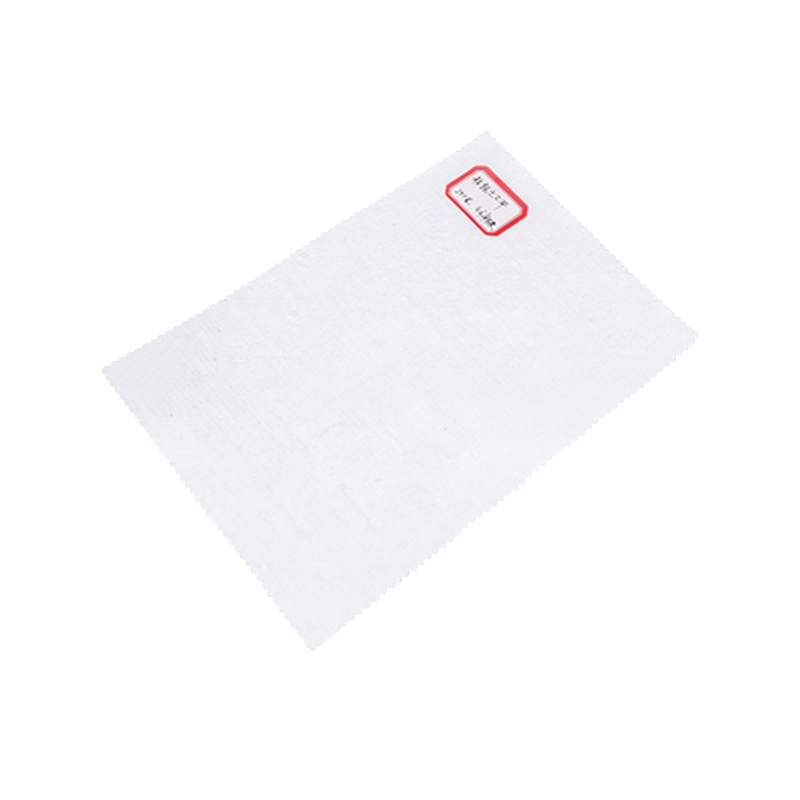
Needle Punched Non Woven Geotextile for Road Subgrade Drainage
-
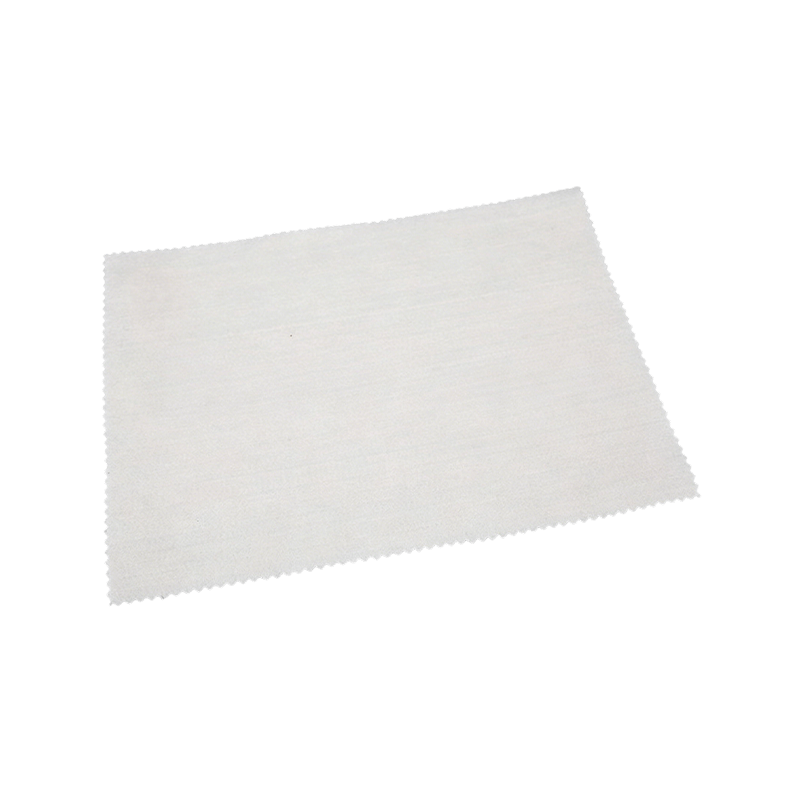
Ready to Ship Permeable Polyester Geotextile for Asphalt Road Curing
-
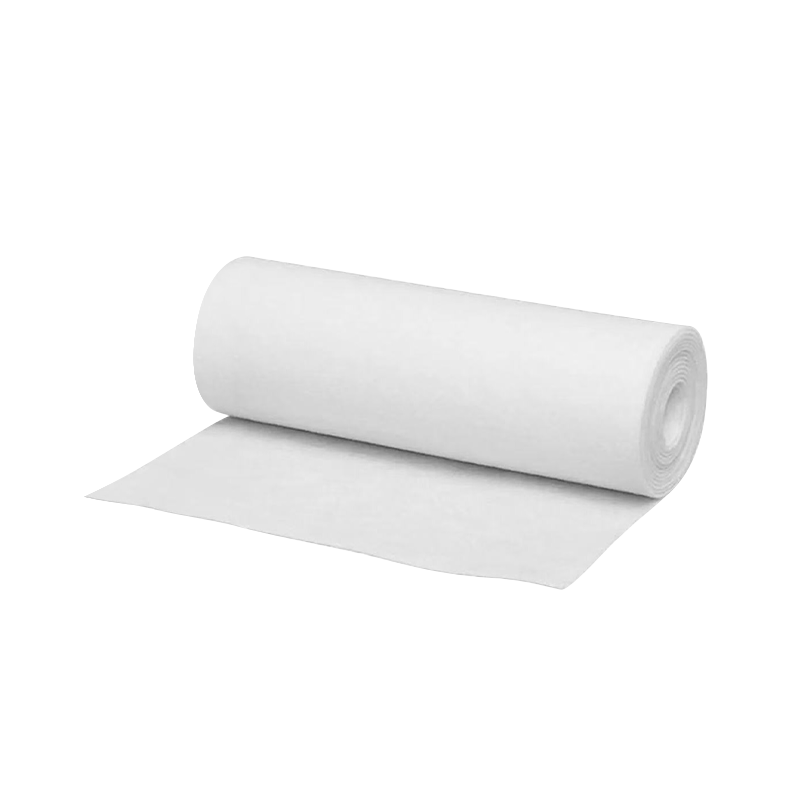
Non Woven Geotextile for Subgrade and Slope Stabilization
-
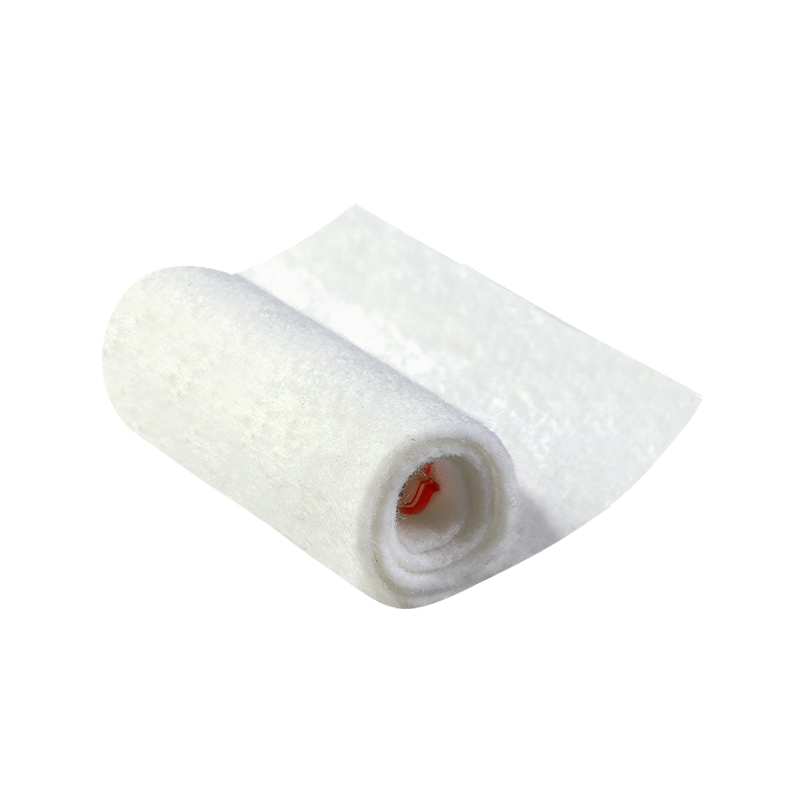
Standard Specification Needle Punched Non Woven Polyester Geotextile
-
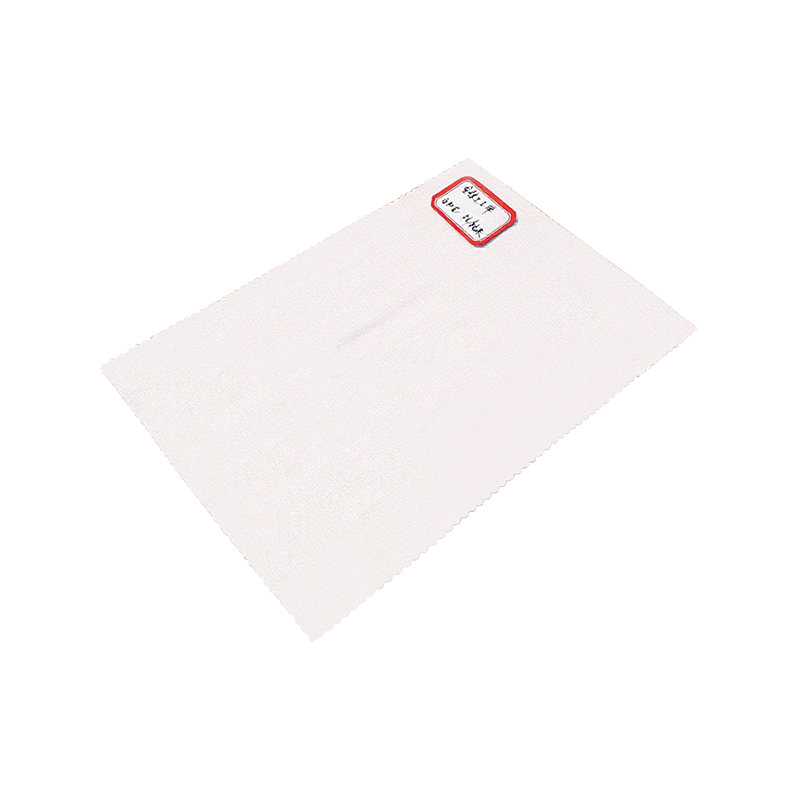
Engineering Grade Non Woven Geotextile Liner for Impermeable Projects
-
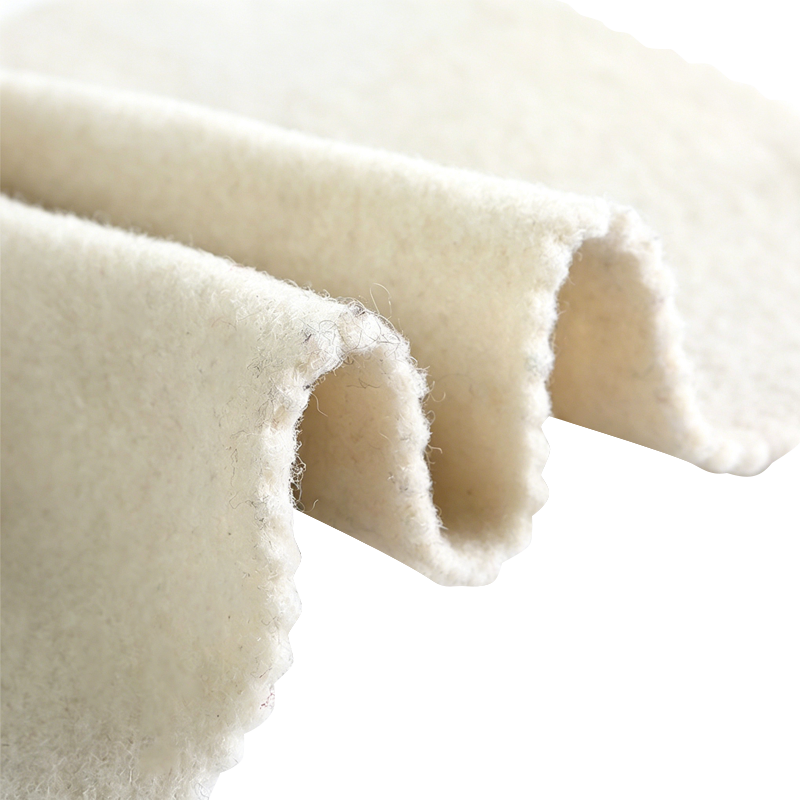
High Permeability White Non Woven Geotextile for Road Drainage
-
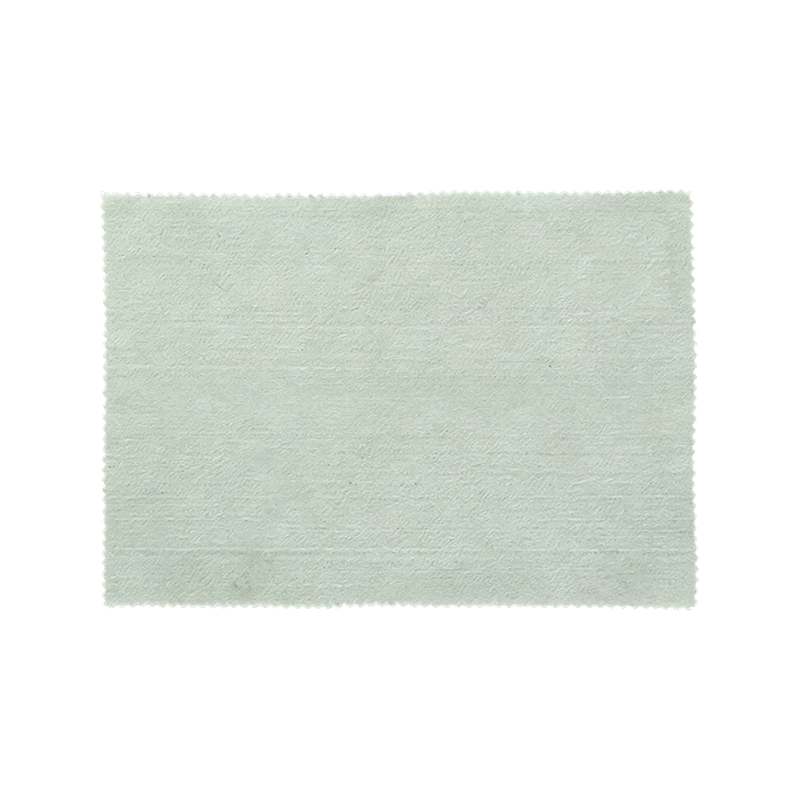
Polyester Needle Punched Geotextile for Highway Pavement Curing
-
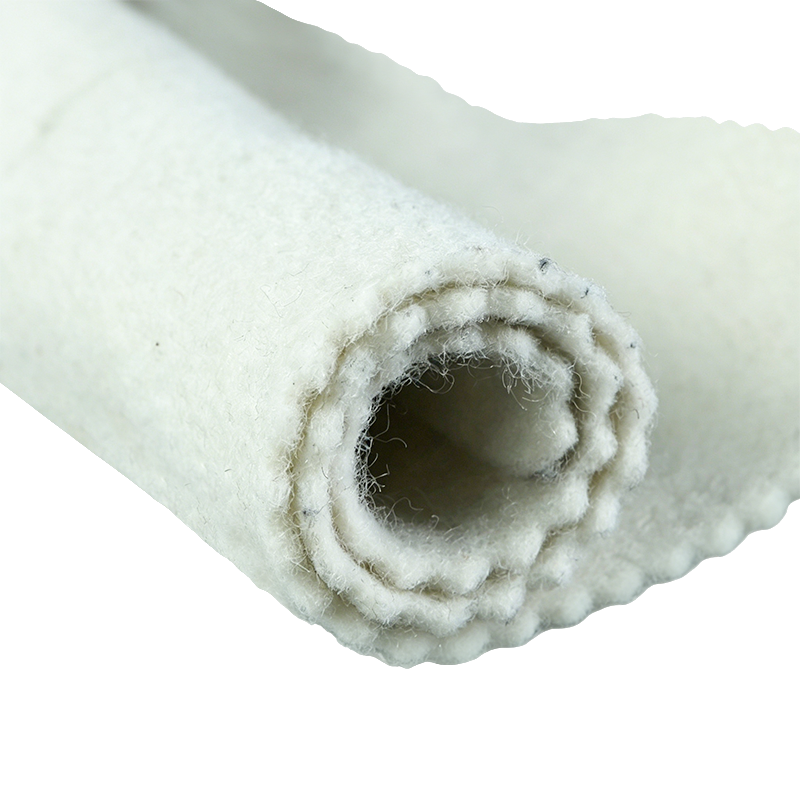
Non-Woven Geotextile Fabric for Complex Geotechnical Projects
-
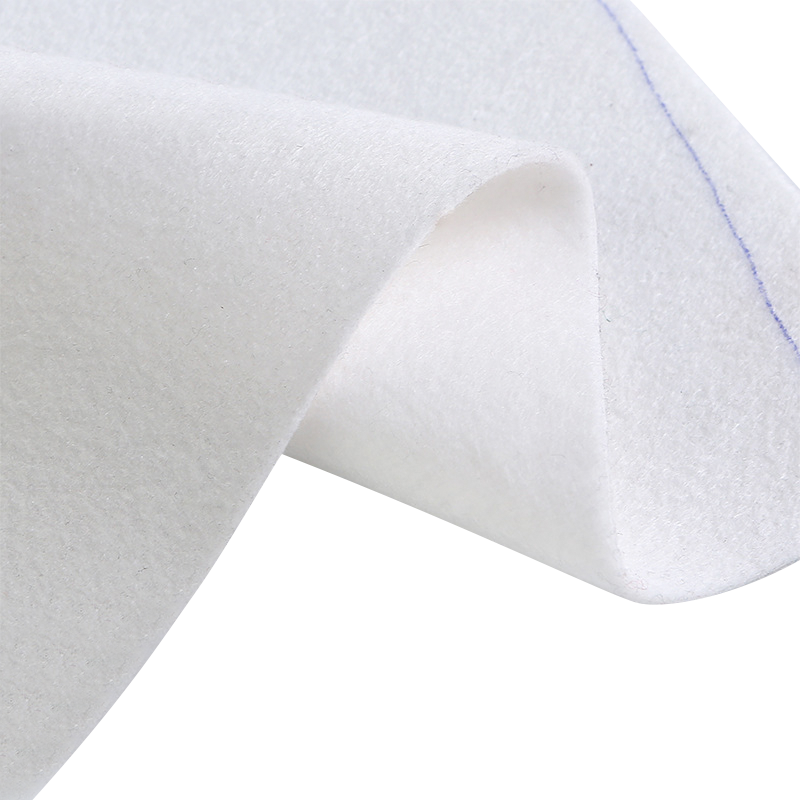
Three Layer Geomembrane Geocomposite for Highway Subgrade Anti Seepage
Nonwoven geotextile is a high-performance geosynthetic material primarily manufactured from polyester or polypropylene staple fibers using needle-punching, thermal bonding, or spunlacing processes. Characterized by excellent permeability, filtration capabilities, separation properties, and tensile strength, it effectively separates distinct soil layers, preventing soil mixing and loss while ensuring smooth water flow and enhancing overall engineering stability. Widely used in sectors such as highways, railways, embankments, hydraulic engineering, tunnels, landfills, and landscaping, the material serves multiple functions, including soil reinforcement, drainage and filtration, and protection. Additionally, nonwoven geotextiles offer excellent resistance to acids, alkalis, aging, and microbial degradation, making them suitable for diverse and complex environments while ensuring a long service life and ease of installation.
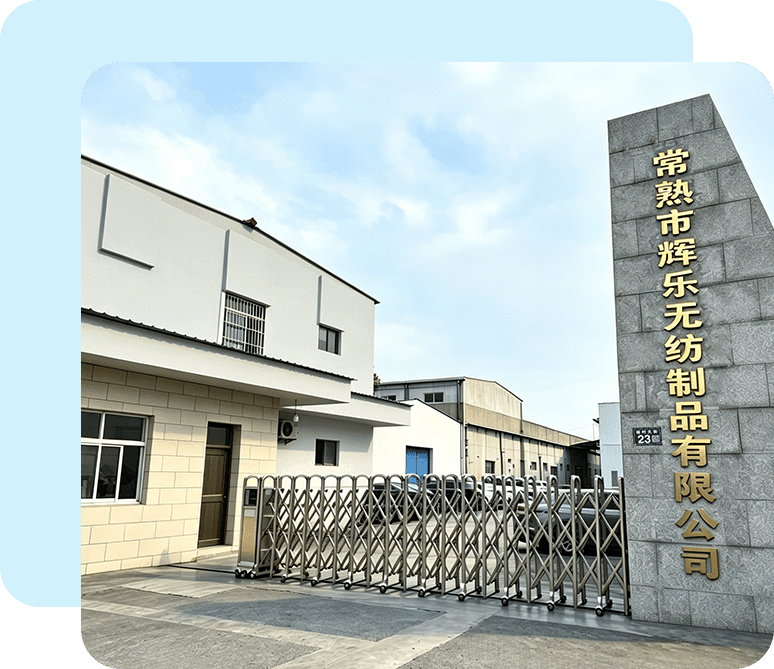
Changshu Hui Le Nonwovens Products Co., Ltd.
Changshu Hui Le Nonwovens Products Co., Ltd is reliable China non woven geotextile fabrics Manufacturer and non woven geotextile drainage landscape fabric factory. We are located in Zhitang Town of Changshu City, a place reputed as "China’s Famous Town for Nonwoven Equipment" and "Hometown of Textiles". It is a powerful manufacturer specializing in the production of needle-punched nonwovens, geotextiles, film-coated nonwovens, PE woven fabric composite felts, nonwoven bags, color film woven bags and other products.
The enterprise boasts a modern standard factory building covering over 3,000 square meters, together with supporting office and living areas, professional teams for R&D, production and quality inspection, as well as a sophisticated management system. It is equipped with relatively advanced automatic production lines and professional testing equipment among its peers. Its products are widely applied in construction and road-bridge engineering, interior decoration, large-scale exhibitions, supermarket shopping, product packaging and other sectors.
Main Production & Sales Scope: Manufacturing, processing and sales of nonwoven fabrics, threads, yarns and knitted textiles, as well as auto parts; sales of textile raw materials, chemical fiber raw materials and garment accessories, plus spray-bonded cotton. Our products sell well nationwide. Adhering to the business philosophy of "Customer-oriented Service, Forging Ahead", we uphold the principle of prioritizing customer service to provide all-round support for clients. Friends from all walks of life are warmly welcomed to visit us for guidance and business negotiations.
We take "Survive by Quality, Develop by Reputation" as our core tenet, and meeting customers’ demands is the working goal of all our staff. We sincerely seek cooperation with all sectors of society to jointly create a promising future.
Our first-class production and testing equipment, premium-quality products and thoughtful services have won recognition from numerous construction enterprises and project owners.
With increased and accelerated national investment in the construction of highways, railways, water conservancy, power and environmental protection projects, we will redouble our efforts to continuously upgrade our products and pursue technological innovation, rewarding all sectors of society with even more outstanding achievements.
Certificate Of Honour
News and Information
Working together to create a better future
Contact Us
Nonwoven Geotextile Industry knowledge
Nonwoven geotextile is a needle-punched or thermally bonded fabric made from polyester or polypropylene staple fibers. It separates soil layers, filters water, reinforces weak ground, and protects geomembranes. Procurement decisions hinge on matching the geotextile’s weight, tensile strength, permeability, and durability to the project’s mechanical and hydraulic demands. This category spans four distinct sub-families, each engineered for a specific construction or agricultural function.
As a Nonwoven Geotextile manufacturer, Changshu Hui Le Nonwovens supplies needle-punched polyester and polypropylene fabrics from a 3,000 m² factory in China. The following sections compare the sub-categories, define selection logic, and provide the data needed to build a complete RFQ.
Sub-Category Comparison and Application Fit
| Sub-Category | Primary Function | Typical Weight Range | Shortlist When |
|---|---|---|---|
| Road & Concrete Curing Geotextiles | Moisture retention, curing, separation | 150–300 gsm | Concrete pavement curing, highway subgrade separation, temporary moisture control |
| Subgrade & Slope Protection Geotextiles | Reinforcement, filtration, erosion control | 200–500 gsm | Weak subgrade stabilization, steep slope reinforcement, drainage behind retaining walls |
| Composite & Film-Coated Geomembranes | Impermeable barrier, anti-seepage | 300–800 gsm (geotextile) + film | Landfill liners, tunnel waterproofing, canal lining, tailings ponds |
| Greenhouse Insulation & Dustproof Nonwovens | Thermal insulation, dust shielding | 30–100 gsm | Agricultural greenhouses, crop covers, dust suppression in storage yards |
Critical Specification Trade-Offs
Selecting the right nonwoven geotextile requires balancing mechanical strength, hydraulic performance, and durability. The table below outlines the key parameters and their procurement implications.
| Parameter | Typical Range | Procurement Decision Impact |
|---|---|---|
| Mass per unit area (gsm) | 100–800 gsm | Higher gsm increases tensile strength and puncture resistance but reduces permeability and raises cost. Match to design life and installation survivability. |
| Tensile strength (MD/CD) | 5–30 kN/m | Critical for reinforcement applications. Specify minimum grab tensile strength per ASTM D4632 or ISO 10319. Consider seam strength if field seaming is required. |
| CBR puncture resistance | 1–8 kN | Determines survivability during aggregate placement. Higher values needed for coarse, angular backfill. |
| Permittivity / flow rate | 0.5–3.0 s⁻¹ | Controls drainage capacity. Select based on soil permeability and expected inflow. Too low causes pore pressure buildup; too high may allow soil piping. |
| Apparent opening size (AOS) | 0.075–0.6 mm | Must retain surrounding soil while permitting water passage. Match to soil gradation curve; typically O₉₅ ≤ 0.3 mm for fine sands. |
| UV resistance (retained strength) | ≥70% after 500 h | Critical for exposed applications. Specify carbon black content (2–3%) for polypropylene; polyester inherently more UV-stable. |
Process and Line Integration
Nonwoven geotextiles are delivered in rolls typically 2–6 m wide and 50–200 m long. Specify roll dimensions to minimize on-site seaming. For large-area projects, wider rolls reduce overlap waste. Confirm that the supplier can slit to custom widths without compromising edge integrity.
- Installation survivability: The geotextile must withstand construction traffic and aggregate placement. Require a minimum CBR puncture value and trapezoidal tear strength based on the stone size and drop height.
- Seaming method: Overlap (minimum 300–600 mm) or thermal/needle-punched seam. For critical filtration or reinforcement, specify seam strength ≥ 70% of parent material strength.
- Anchoring: In slope applications, anchor trenches and pinning patterns must be defined. Include U-shaped steel pins or staples in the RFQ if the supplier provides them.
Quality Assurance and Acceptance Testing
Define a QA/QC protocol in the purchase order. At minimum, request mill certificates for each production lot showing mass per unit area, tensile strength, elongation, CBR puncture, and permittivity. For large projects, specify third-party testing frequency (e.g., one sample per 10,000 m²) per ASTM or ISO standards.
- Factory audit: Evaluate the manufacturer’s in-house testing lab. Needle-punched nonwoven lines should have equipment for weight, thickness, tensile, tear, and puncture tests.
- On-site inspection: Check roll labels for product name, weight, dimensions, lot number, and production date. Verify visual uniformity—no thin spots, holes, or contamination.
- Performance testing: For critical applications, conduct site-specific performance tests such as gradient ratio (filtration) or pull-out tests (reinforcement).
Customization and Supplier Evaluation
As a Nonwoven Geotextile supplier in China, Changshu Hui Le Nonwovens can tailor weight, width, color (white, green, black), and UV stabilization. When evaluating suppliers, request:
- Evidence of similar project references, especially for the intended application (e.g., highway subgrade, landfill liner).
- Production capacity confirmation and lead-time commitment for the order volume.
- Samples from current production for independent lab verification before bulk shipment.
- Packaging details: rolls wrapped in UV-resistant film, labeled, and palletized for container loading.
Buyer RFQ Checklist
Include the following data in your request for quotation to obtain comparable and complete proposals.
| RFQ Item | Details to Specify |
|---|---|
| Product sub-category | Road curing, subgrade stabilization, composite geomembrane, or greenhouse insulation |
| Polymer type | Polyester (PET) or polypropylene (PP); state preference and justification |
| Mass per unit area | Target gsm and tolerance (e.g., 300 gsm ±5%) |
| Roll dimensions | Width x length (m); maximum roll diameter for transport |
| Mechanical properties | Minimum tensile strength (MD/CD), elongation, CBR puncture, trapezoidal tear |
| Hydraulic properties | Permittivity, flow rate, AOS (O₉₅) |
| Durability requirements | UV resistance (exposure duration), chemical resistance (pH range), design life |
| Certifications | ISO 9001, CE marking, or project-specific standards (e.g., ASTM, EN) |
| Packaging and labeling | UV-resistant wrapping, palletization, label information (product, lot, weight, dimensions) |
| Quantity and delivery | Total square meters, delivery schedule, incoterms, port of destination |
| QA/QC requirements | Mill certificate, third-party testing frequency, acceptance criteria |
Frequently Asked Questions
What is the difference between polyester and polypropylene nonwoven geotextile?
Polyester (PET) offers higher tensile strength and better UV resistance, making it suitable for exposed or high-load applications. Polypropylene (PP) is lighter, more chemically resistant, and often lower cost, preferred for buried filtration and separation where UV exposure is minimal.
How do I determine the required geotextile weight for road stabilization?
Base the selection on subgrade CBR, traffic loads, and aggregate size. For typical highway subgrades, 200–300 gsm needle-punched nonwoven is common. Conduct a survivability analysis per AASHTO M288 or similar to confirm puncture and tear resistance.
Can nonwoven geotextile be used for both separation and filtration?
Yes. Needle-punched nonwovens are inherently permeable and can simultaneously separate dissimilar soils while allowing water to pass. Ensure the AOS is compatible with the finest soil layer to prevent clogging or piping.
What is the typical lead time for a container order from a Chinese factory?
Lead times vary with order volume and customization. For standard products, 15–30 days after order confirmation is typical. Custom weights or widths may add 7–10 days. Always confirm production schedule and shipping method in the proforma invoice.
How should nonwoven geotextile rolls be stored on site?
Store rolls on a clean, level surface, protected from direct sunlight, rain, and mud. Keep them wrapped in UV-resistant packaging until installation. Avoid stacking more than three rolls high to prevent deformation.
What certifications should I request for geotextile used in public infrastructure?
Request ISO 9001 for quality management. For projects in the EU, CE marking per EN 13249–13265 is mandatory. In North America, look for NTPEP or AASHTO product evaluation listings. Always ask for third-party test reports from an accredited lab.
Get In Touch
Copyright © Changshu Hui Le Nonwovens Products Co., Ltd.
Custom Nonwoven Geotextile Roll Manufacturer
