en
 Français
 Español

Bicomponent Fiber Guide: Types, Applications, and Selection for Nonwoven Products
2026-10-15Bicomponent fibers are single filaments extruded from two distinct polymers through the same spinneret. Instead of blending two polymers into one homogeneous material, the fiber keeps them in separate zones — typically a core that provides strength and a sheath that delivers a specific surface property. For nonwoven manufacturers and technical textile buyers, understanding bicomponent fiber structures is a practical way to improve bonding efficiency, fabric strength, and surface performance without adding extra processing steps.
Fundamentals of Bicomponent Fiber Technology
Bicomponent fiber production uses the same melt-spinning platform as conventional polyester or polypropylene fiber, but with two polymer feed systems feeding one spinneret. The two polymers are extruded side by side and form a single filament with a clear interface between them.
The most common polymer pair is polyethylene terephthalate (PET) in the core and polyethylene (PE) or polypropylene (PP) in the sheath. The sheath polymer is selected for its lower melting point and surface properties, while the core polymer provides the mechanical backbone. In some cases, the sheath is a co-polyester with a melting point 30 to 50 degrees Celsius lower than the core, which makes it ideal for thermal bonding in nonwoven lines.
Common Bicomponent Fiber Structures
Each bicomponent fiber configuration serves a different purpose. The cross-sectional geometry determines not only how the fiber bonds but also how it behaves in the finished nonwoven fabric.
Sheath/Core (C/S) Structure
The sheath is the outer layer that melts or bonds under heat, while the core remains intact to deliver tensile strength. This structure is widely used in thermal bonding, where the sheath acts as a built-in binder and eliminates the need for latex or chemical adhesives.
Side-by-Side (S/S) Structure
When two polymers with different shrinkage rates are placed side by side, the differential shrinkage creates a helical crimp. This crimp improves the bulk, resilience, and softness of nonwoven fabrics.
Islands-in-the-Sea Structure
In this structure, fine filaments of one polymer are embedded in a matrix of another polymer. The matrix is later dissolved or split, producing micro-scale fibers for filtration and high-performance wipes.
| Structure | Bonding Mechanism | Typical Applications |
|---|---|---|
| Sheath/Core | Sheath melts at a lower temperature | Hygiene nonwovens, thermal bonding, geotextiles |
| Side-by-Side | Differential shrinkage creates crimp | Interlinings, resilient fillers, soft nonwovens |
| Islands-in-the-Sea | Matrix dissolved or split | Microfiber wipes, filtration, synthetic leather |
How Bicomponent Fibers Boost Nonwoven Fabric Performance
The main advantage of bicomponent fibers is that they combine two properties that would be impossible to achieve with a single polymer. For nonwoven production, this creates several measurable benefits.
- Thermal bonding at lower temperatures: The sheath softens at a lower temperature than the core, so the fabric can be bonded while the core keeps its mechanical integrity.
- No chemical binder required: A thermal bonding line can run without latex or adhesive, reducing costs and simplifying the manufacturing process.
- Higher fabric strength: The core polymer can be selected for high tenacity while the sheath handles bonding, giving the finished fabric better tensile and tear resistance.
- Improved fabric uniformity: Bicomponent fibers spread evenly and bond consistently across the web, reducing pinholes and weak points.
- Better surface characteristics: The sheath can carry functional properties like hydrophilicity, antistatic behavior, or anti-wicking without changing the core's performance.
Bicomponent Fibers in Construction and Agricultural Nonwovens
The value of bicomponent fiber technology extends beyond hygiene and apparel. Construction and agricultural nonwovens also gain practical benefits when bicomponent fibers are incorporated into the fabric structure.
Geotextiles and Engineering Fabrics
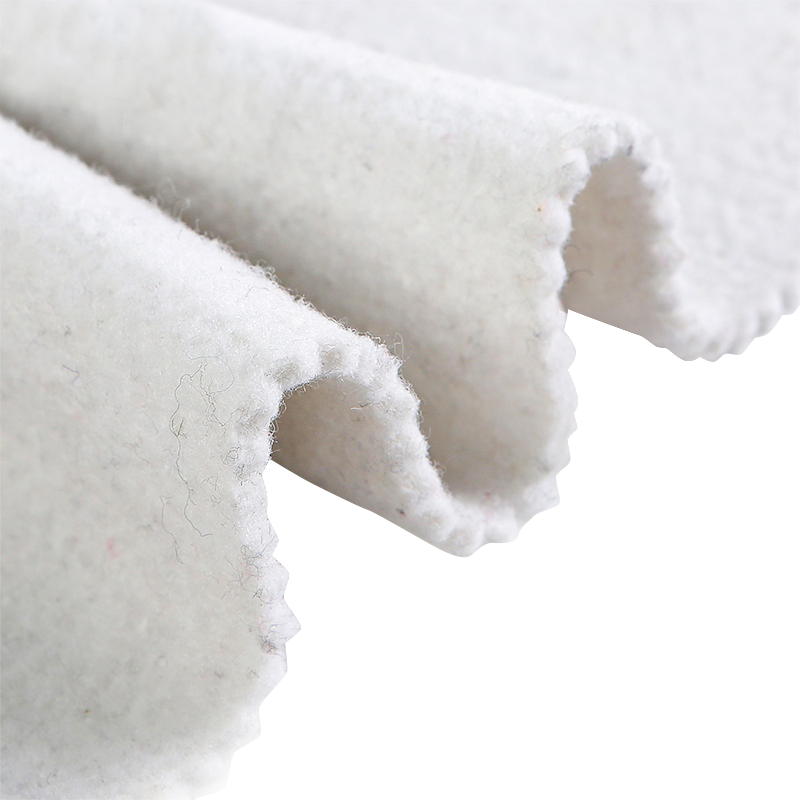
In needled nonwovens used for road construction and slope protection, a sheath/core fiber with a lower-melting sheath can improve inter-fiber bonding. This is especially helpful in high-performance geotextiles where the fabric must withstand repeated loading and environmental exposure. For example, a 240gsm polyester non-woven geotextile for highway curing benefits from a consistent bonding structure that supports its tensile performance during concrete curing and road maintenance work.
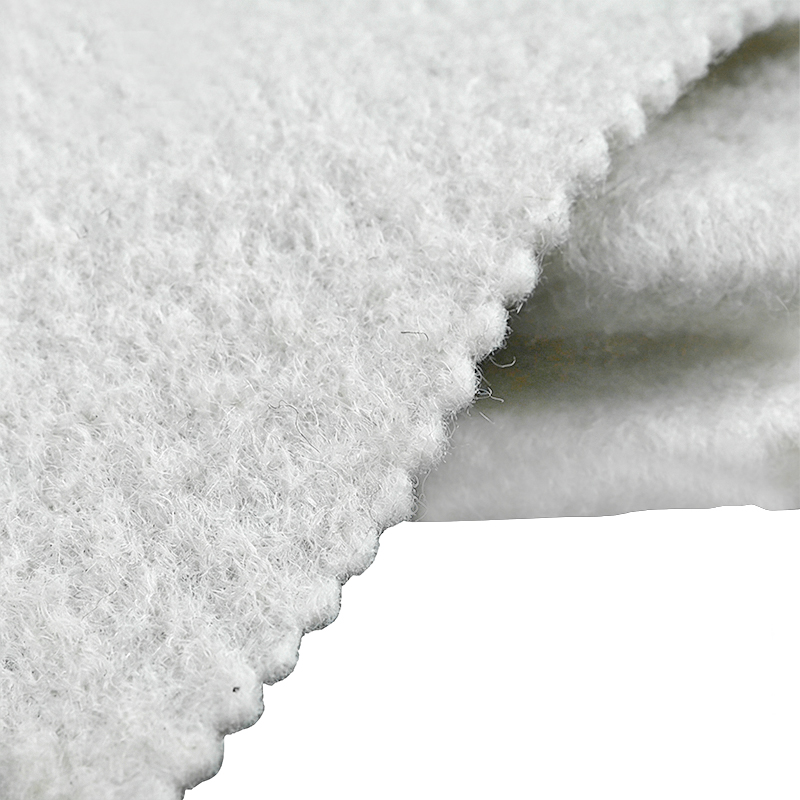 240gsm Polyester Nonwoven Geotextile for Highway Concrete CuringThis industrial-grade geotextile, made from needle-punched PET fibers, ensures uniform moisture retention during concrete curing, reducing surface cracks and enhancing structural integrity for highways and bridge decks.View Product →
Agricultural Insulation and Frost Protection
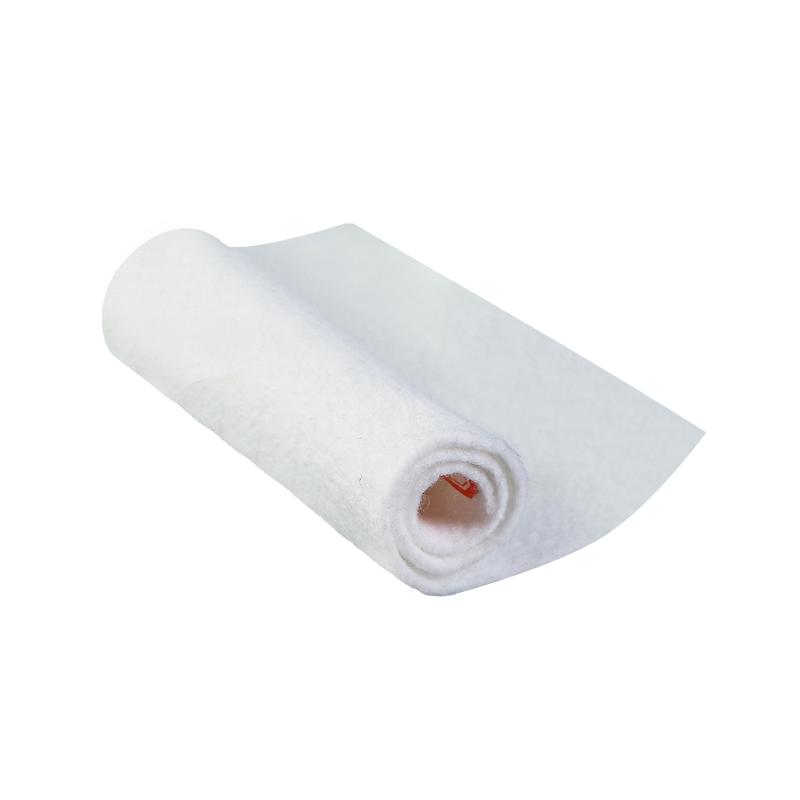
Bicomponent fibers help agricultural fleece achieve a better balance of thermal insulation and breathability. The bonding strength created at fiber crossover points means the fleece holds its shape under repeated handling and weather exposure. A heavy-duty non-woven insulation fleece for agricultural cold protection is an example of a nonwoven product where bicomponent thermal bonding contributes to reliable warmth without excess weight.
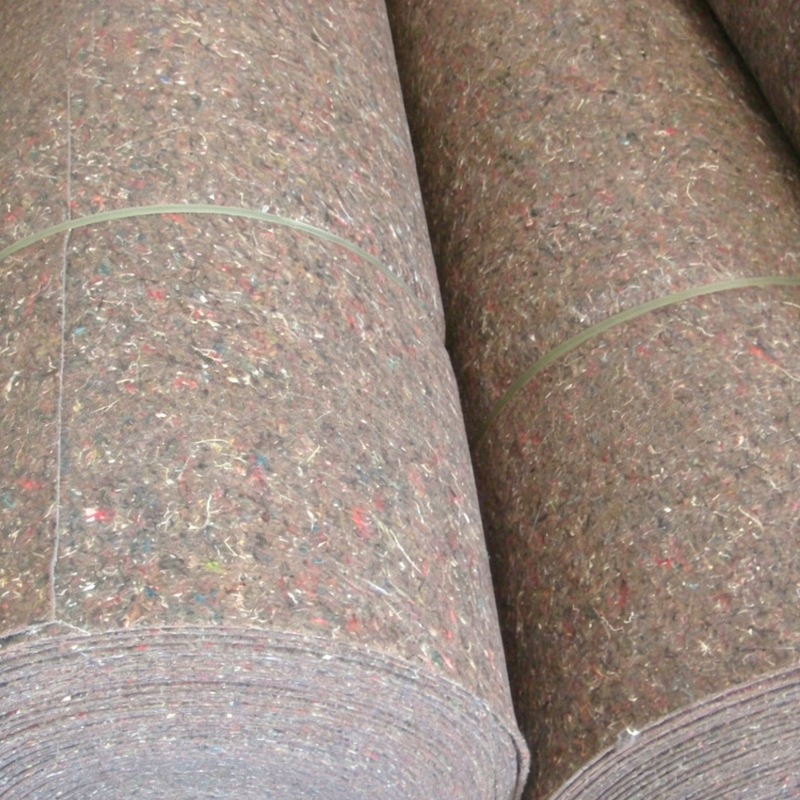 Heavy-Duty Nonwoven Insulation Fleece for Agricultural Cold ProtectionThis 200gsm needle-punched polyester fleece provides lightweight thermal insulation and breathability, protecting crops from frost and temperature fluctuations while allowing air circulation to prevent mold.View Product →
Surface Protection Materials
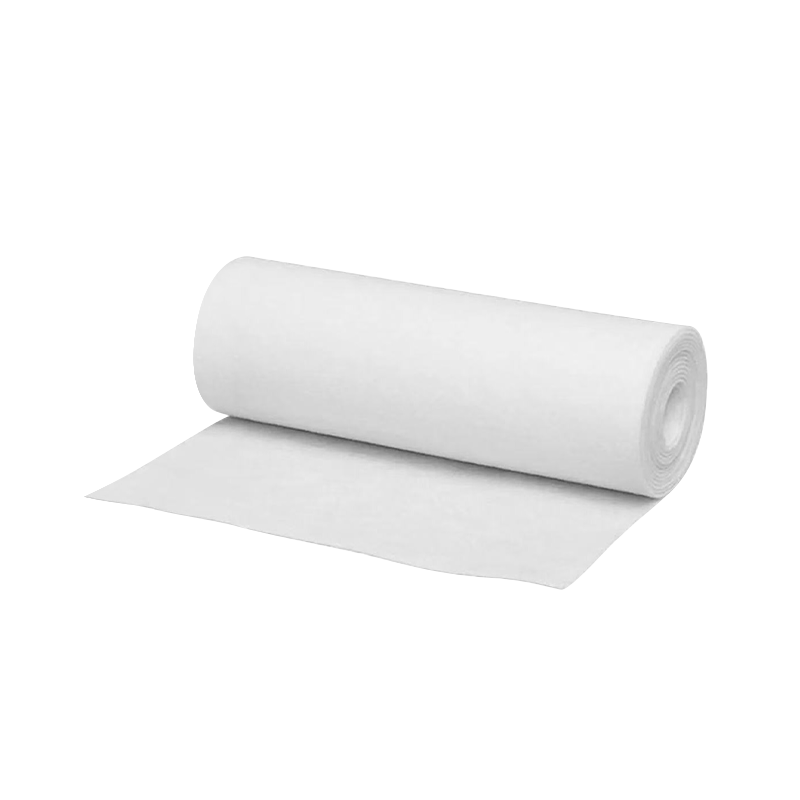
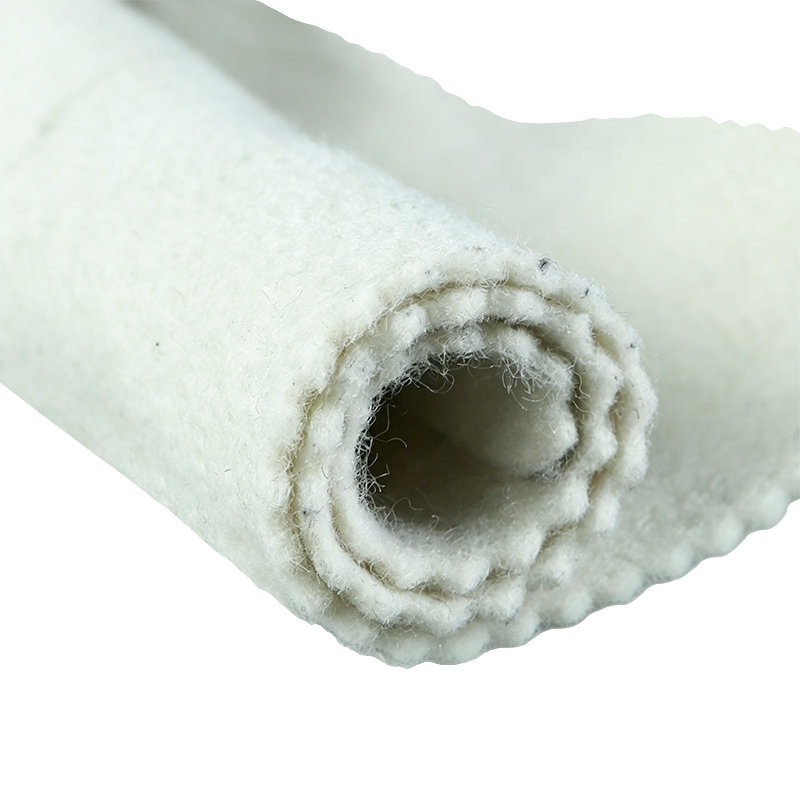
Bicomponent fibers are also used in protective nonwovens for renovation and temporary floor protection. The key performance requirement in this category is that the fabric remains strong and abrasion-resistant throughout the work cycle. A 120 to 180gsm white non-woven protection fleece for temporary flooring is designed for this kind of interim duty, and the inclusion of bicomponent fiber helps maintain dimensional stability and resistance to tearing.
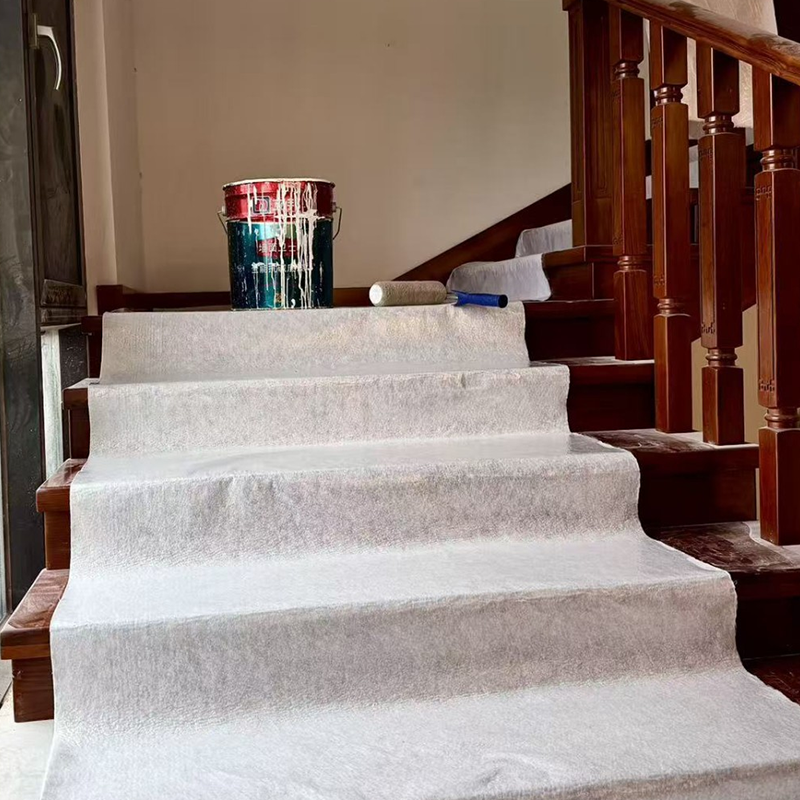 120-180gsm White Nonwoven Protection Fleece for Temporary FlooringA self-adhesive, anti-slip nonwoven fleece that shields floors during renovation, with dense fiber structure for tear and puncture resistance, absorbing dust and splashes to keep surfaces clean.View Product →
How to Select Bicomponent Fibers for Your Nonwoven Application
Choosing the right bicomponent fiber is not just about picking a polymer pair. The final decision depends on the finished fabric's performance requirements plus the processing constraints of your production line.
Key Parameters to Confirm
- Sheath-to-core ratio: A typical range is 30/70 to 50/50. A thicker sheath increases bonding performance, while a thicker core improves mechanical strength.
- Fiber denier: Finer fibers produce softer fabric, while coarser fibers add loft and strength where needed.
- Melting temperature window: The sheath's melting point should be 20 to 40 degrees Celsius below the core's melting point for reliable thermal bonding without damaging the core.
- Additives: Some bicomponent fibers include stabilizers, colorants, or antistatic agents in the sheath component.
- Production consistency: Check that the supplier maintains a consistent sheath/core ratio across all lots, because variation can cause uneven bonding.
For manufacturers who need a reliable nonwoven supply, working directly with a fabric producer that understands the process can reduce specification uncertainty. If you are evaluating nonwoven products for a construction project or renovation job, it is worth asking the supplier about the fiber structure used and how that structure supports the rated performance.
Frequently Asked Questions
Q1: What is the difference between bicomponent fiber and blended fiber?
A blended fiber is a mix of two separate fiber types in the same yarn or fabric. A bicomponent fiber is a single filament that contains both polymers. This means the two materials are chemically and physically bonded at the fiber level, which gives a different performance profile from a simple blend.
Q2: Which polymers are commonly used in bicomponent fibers?
PET, PP, PE, and co-polyesters are the most common choices. PET/PE and PET/PP sheath/core configurations cover most nonwoven applications. Specialized polymers can be added for specific requirements like flame resistance or improved dyeability.
Q3: Can bicomponent fibers be processed in needle-punched nonwovens?
Yes. Sheath/core bicomponent fibers can be thermally bonded after needling to reinforce the needle-punched fabric matrix. This combination helps achieve higher tensile strength and better dimensional stability compared to a mono-component fiber alone.
Q4: What is the typical sheath-to-core ratio?
Most industrial bicomponent fibers use a ratio between 30/70 and 50/50. The ratio depends on the required bonding strength versus mechanical performance of the final fabric.
To stay updated on material trends and technical applications in nonwovens, visit our industry news. For custom specifications and project-based inquiries, contact our team to talk through your requirements with a technical specialist.
Contact Us
Your email address will not be published. Required field are marked*
Categories
- Company News(3)
- Industry News(15)

Contact Us
1337540116@qq.com