 en
en Français
 Español

Contact Us
Need Help? Email Us Now
1337540116@qq.com
-
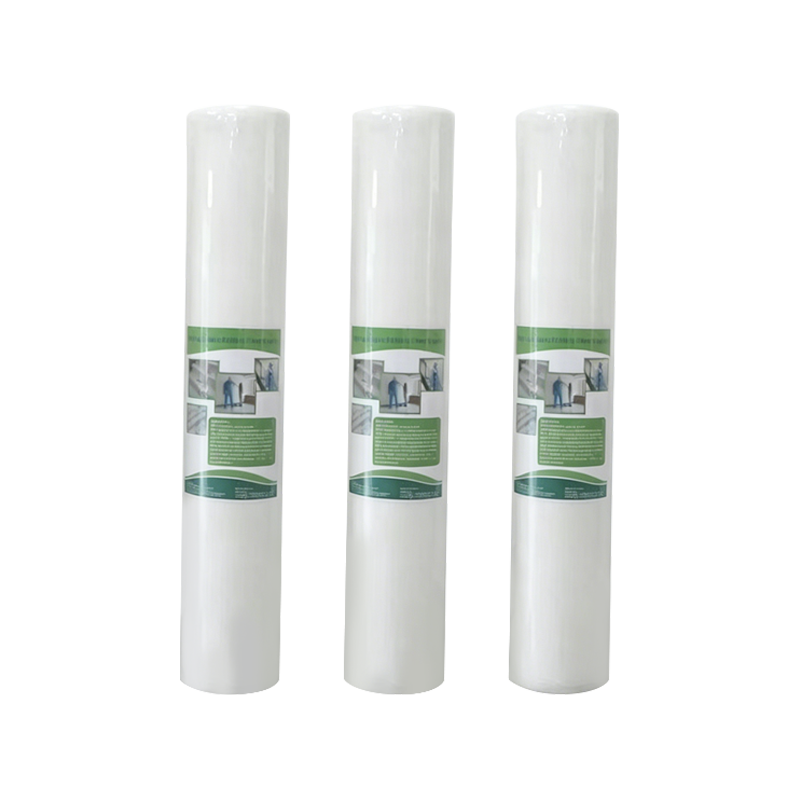


White Self Adhesive Paint Fleece for Floor Protection
-
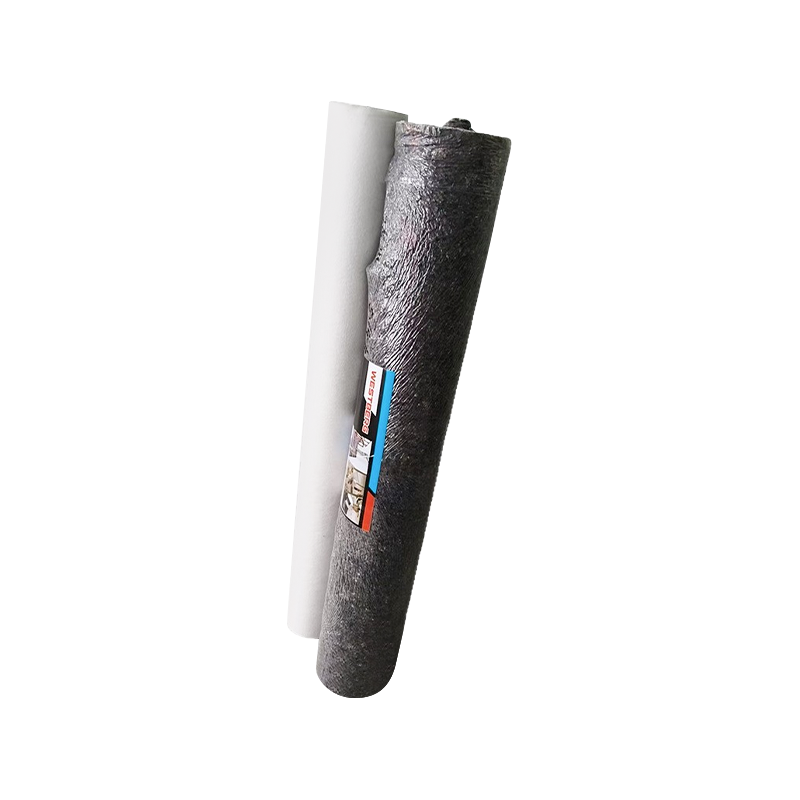
Anti Slip Sticky Paint Fleece with Waterproof Liquid Barrier Film
-
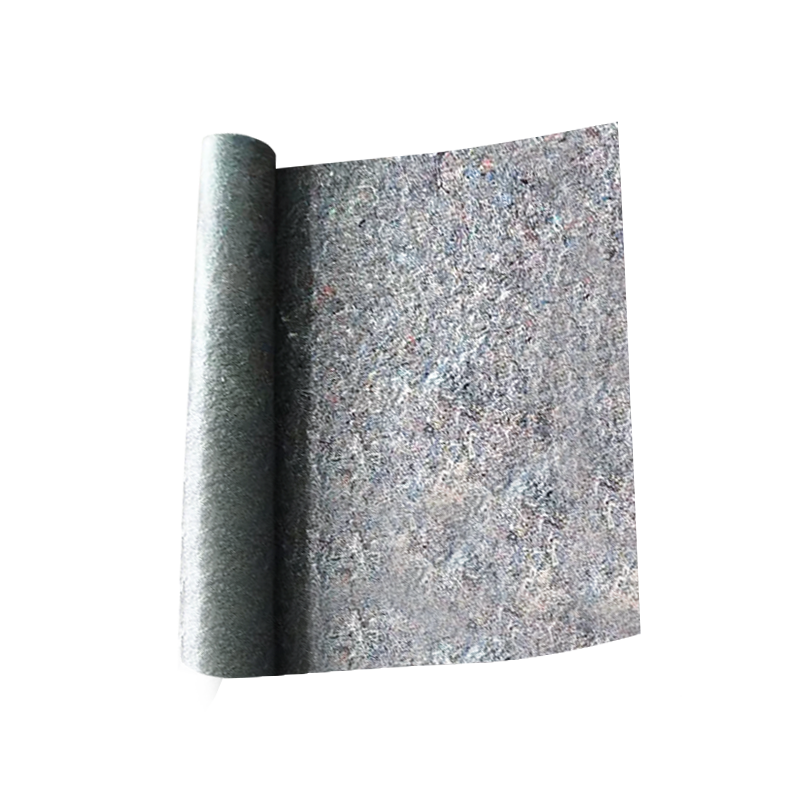
Heavy Duty Self Adhesive Felt Paint Pad for Floor Protection
-
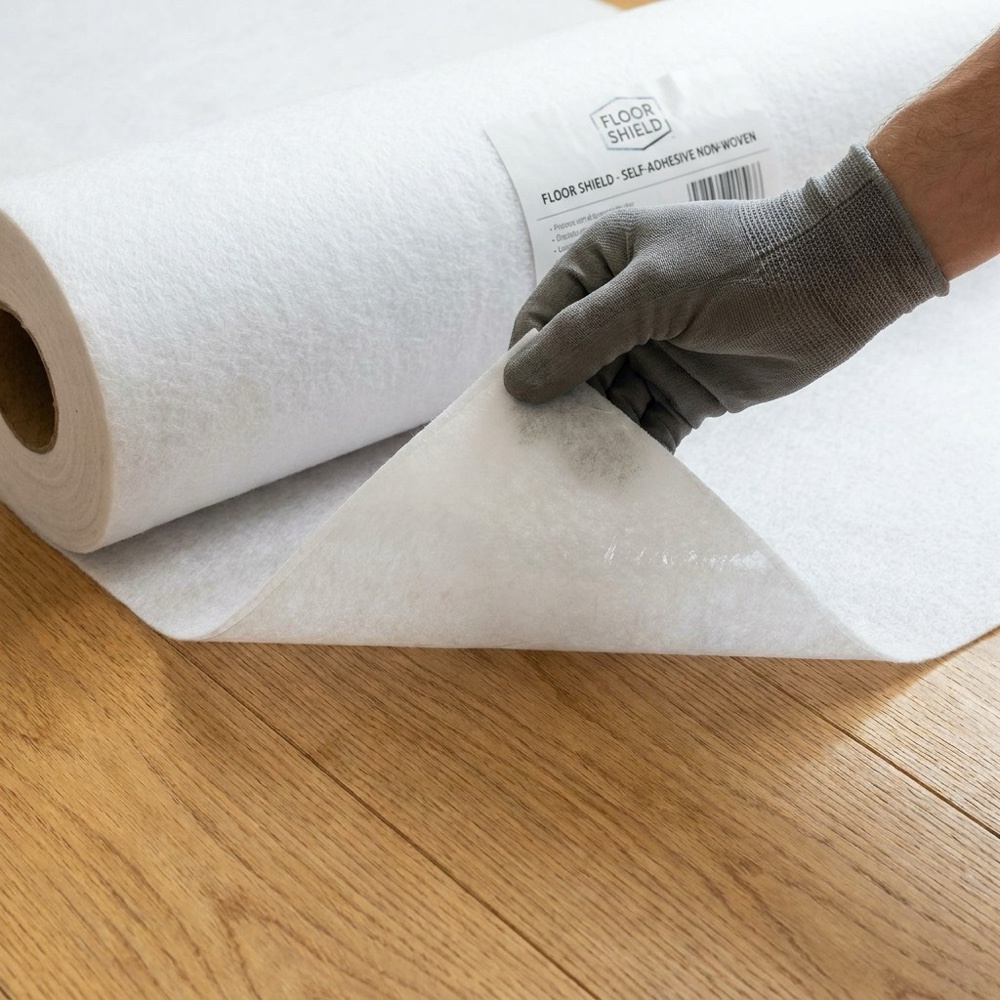
Self Adhesive Floor Protection Fleece Waterproof Tear Resistant Roll
-
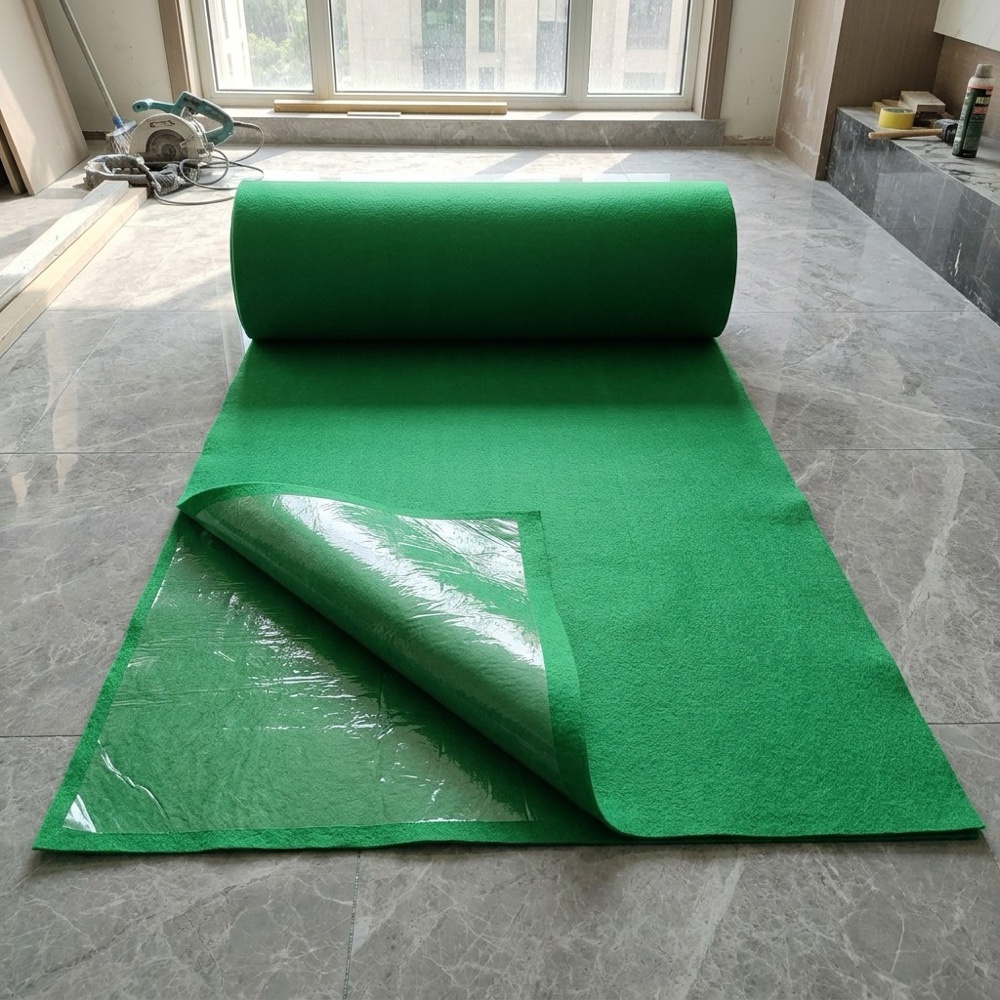
160gsm Self Adhesive Floor Protection Felt Roll for Construction
-
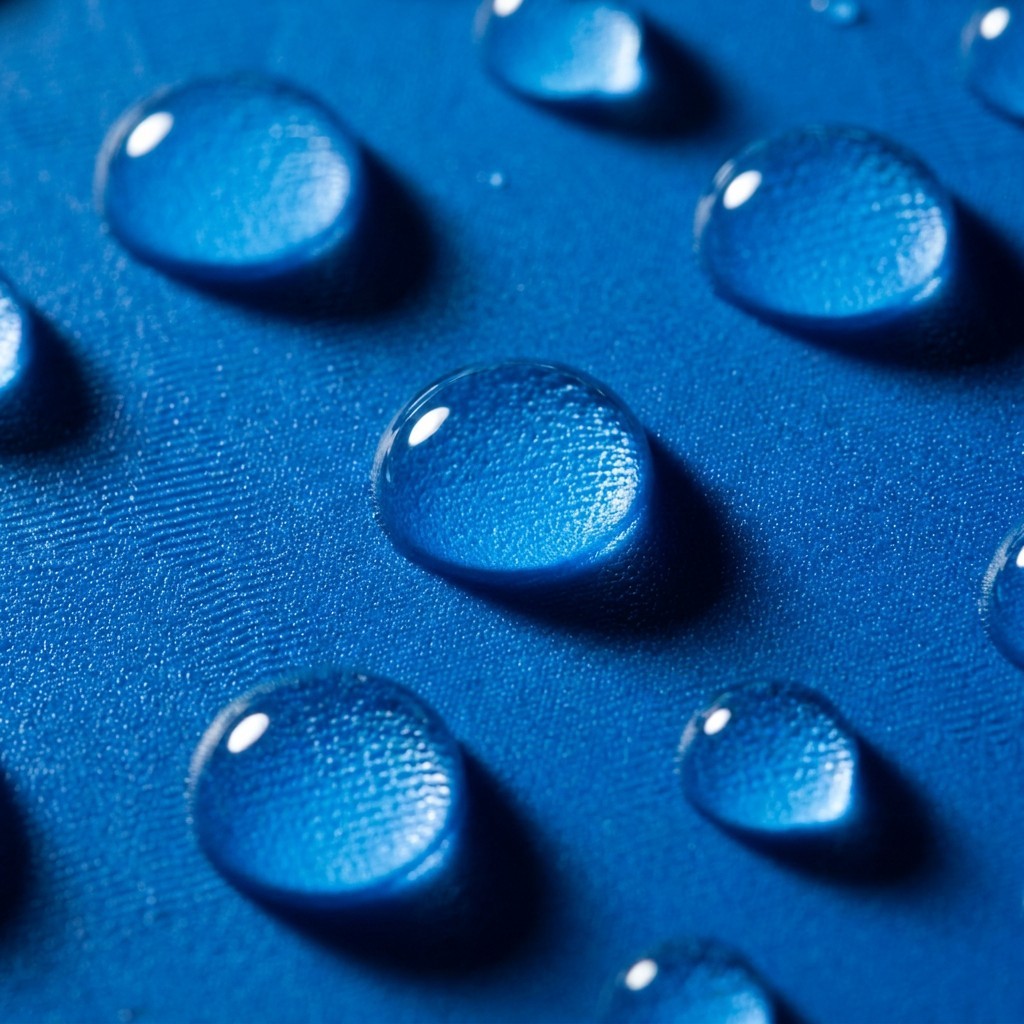
Breathable Self Adhesive Floor Protection Felt Floor Covering Felt
-
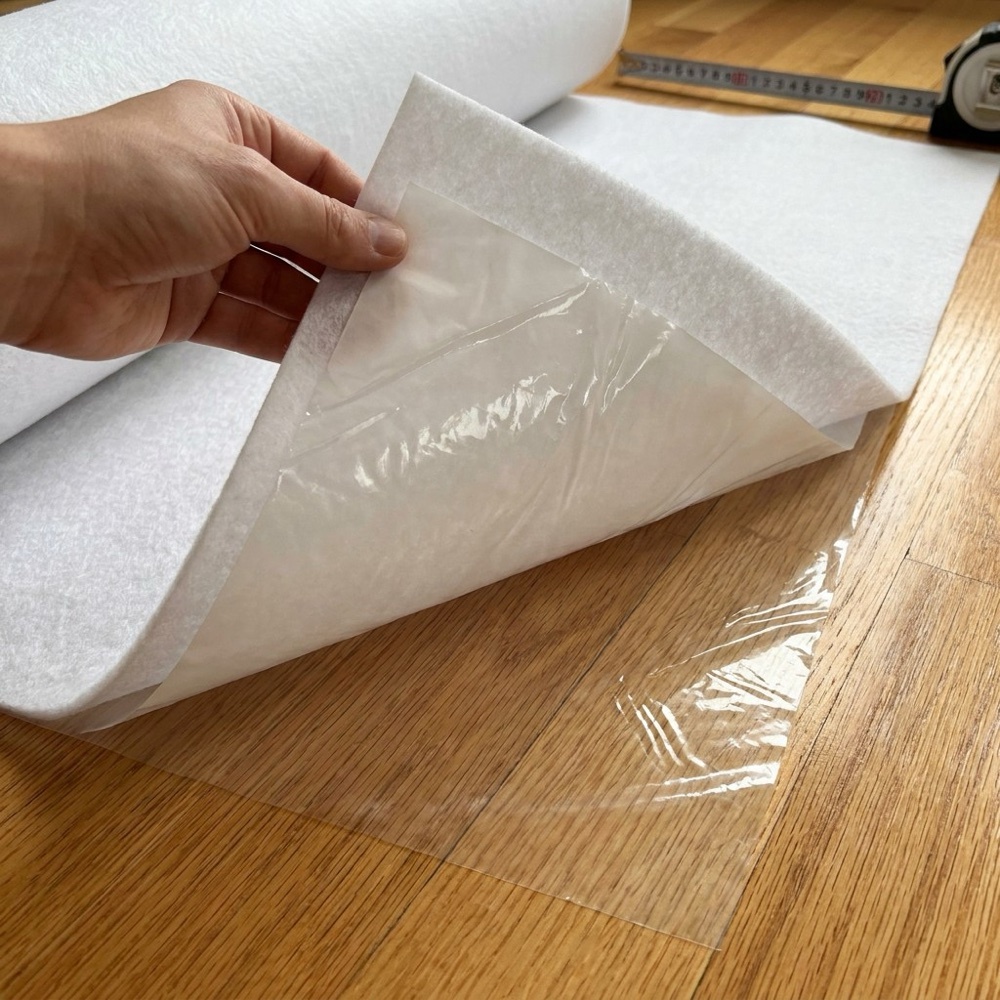
180gsm Heavy Duty Self Adhesive Floor Protection Fleece Roll
-
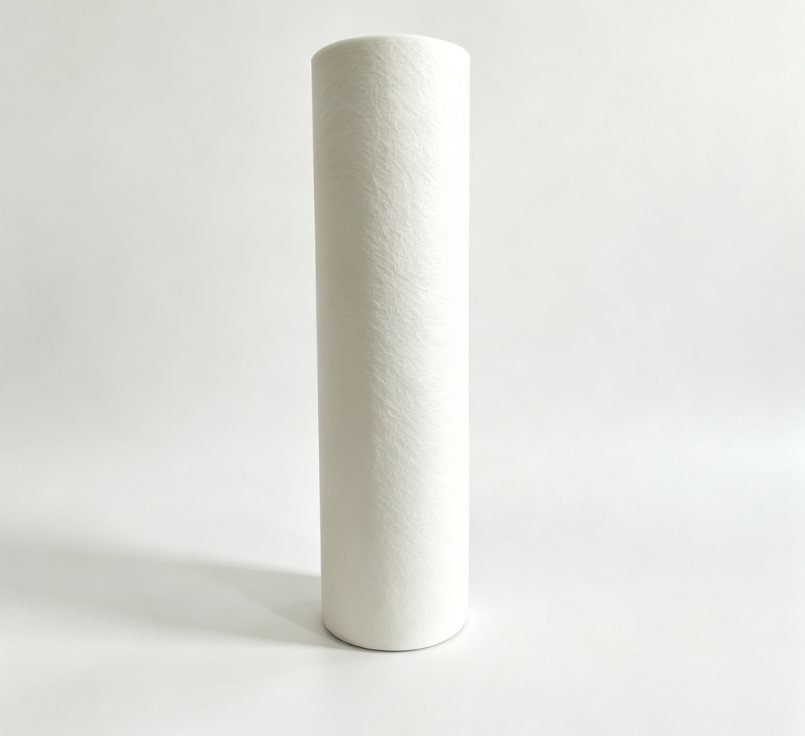
Self Adhesive Protective Floor Cover Fleece Drop Cloth for Construction & Renovation
Self-adhesive paint protection felts are professional protective materials designed for interior and exterior renovation and construction sites. Typically composed of a high-density non-woven fabric laminated with an anti-slip backing film, they feature an eco-friendly pressure-sensitive adhesive layer on the underside, allowing for direct application to floors, stairs, or furniture surfaces for quick, secure placement and reusable protection. These felts offer excellent absorption capabilities, effectively preventing contamination and scratches caused by paint, coatings, adhesives, and construction debris. They also provide impermeability, slip resistance, and durability, making them suitable for a wide range of applications, including home renovations, construction projects, exhibition setups, and protection during moving. Compared to traditional protective films, self-adhesive paint protection felts are easier to install and offer greater stability, significantly enhancing construction efficiency and reducing cleanup costs.
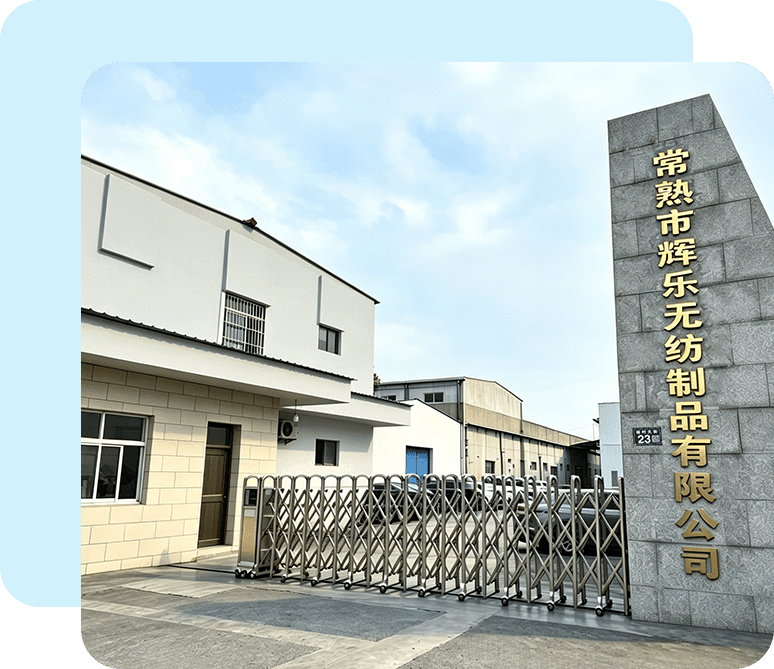
Changshu Hui Le Nonwovens Products Co., Ltd.
Changshu Hui Le Nonwovens Products Co., Ltd is reliable China self adhesive paint protection felts film Manufacturer and self adhesive felt floor protector factory. We are located in Zhitang Town of Changshu City, a place reputed as "China’s Famous Town for Nonwoven Equipment" and "Hometown of Textiles". It is a powerful manufacturer specializing in the production of needle-punched nonwovens, geotextiles, film-coated nonwovens, PE woven fabric composite felts, nonwoven bags, color film woven bags and other products.
The enterprise boasts a modern standard factory building covering over 3,000 square meters, together with supporting office and living areas, professional teams for R&D, production and quality inspection, as well as a sophisticated management system. It is equipped with relatively advanced automatic production lines and professional testing equipment among its peers. Its products are widely applied in construction and road-bridge engineering, interior decoration, large-scale exhibitions, supermarket shopping, product packaging and other sectors.
Main Production & Sales Scope: Manufacturing, processing and sales of nonwoven fabrics, threads, yarns and knitted textiles, as well as auto parts; sales of textile raw materials, chemical fiber raw materials and garment accessories, plus spray-bonded cotton. Our products sell well nationwide. Adhering to the business philosophy of "Customer-oriented Service, Forging Ahead", we uphold the principle of prioritizing customer service to provide all-round support for clients. Friends from all walks of life are warmly welcomed to visit us for guidance and business negotiations.
We take "Survive by Quality, Develop by Reputation" as our core tenet, and meeting customers’ demands is the working goal of all our staff. We sincerely seek cooperation with all sectors of society to jointly create a promising future.
Our first-class production and testing equipment, premium-quality products and thoughtful services have won recognition from numerous construction enterprises and project owners.
With increased and accelerated national investment in the construction of highways, railways, water conservancy, power and environmental protection projects, we will redouble our efforts to continuously upgrade our products and pursue technological innovation, rewarding all sectors of society with even more outstanding achievements.
Certificate Of Honour
News and Information
Working together to create a better future
Contact Us
Self-adhesive Paint Protection Felts Industry knowledge
Self-adhesive paint protection felts are temporary floor and surface covers engineered for renovation, painting, and construction sites. They combine a high-density nonwoven felt face with a pressure-sensitive adhesive backing, often laminated with an anti-slip or waterproof film. The category solves a specific procurement problem: preventing paint spills, scratches, and debris contamination on finished floors, stairs, and furniture while maintaining a safe, non-slip walking surface. As a Self-adhesive Paint Protection Felts manufacturer based in China, Changshu Hui Le Nonwovens supplies felt rolls and pads configured for different site demands.
Selecting the right felt requires matching the material weight, absorbency, backing type, and adhesive aggressiveness to the job. Lightweight 120–180 gsm felts suit short-term residential painting, while heavy-duty 300+ gsm pads with waterproof PE film handle high-traffic commercial sites and liquid spills. The adhesive must bond reliably to wood, tile, marble, or concrete without leaving residue upon removal, even after extended placement.
Product Family and Subtype Comparison
Within the broader Self-adhesive Floor Protection Film category, paint protection felts differ from PE laminated paint mats and renovation fleece mats in structure and performance. The table below summarizes when to shortlist each type.
| Subtype | Typical Weight (gsm) | Key Feature | Best Application |
|---|---|---|---|
| Self-adhesive Paint Protection Felts | 120–400+ | High absorbency, anti-slip, reusable | Painting, renovation, moving; dry and light liquid protection |
| PE Laminated Paint Mats | 80–200 | Impermeable PE film layer | Spray painting, heavy liquid spills, industrial coating |
| Renovation Fleece & Felt Mats | 200–500 | Extra thick, durable, washable | Heavy foot traffic, long-term projects, reusable pads |
Decision logic: Choose self-adhesive paint protection felts when you need a balance of absorbency, cushioning, and cost-effective single-use or short-term reuse. If the site involves standing water, solvents, or spray mist, specify a PE laminated variant. For multi-week construction with heavy equipment traffic, upgrade to thick renovation fleece mats.
Critical Specification Variables
Procurement must define the following parameters to ensure the felt performs under site conditions. Do not accept generic “paint felt” descriptions; request exact values.
- Fabric weight (gsm): Determines thickness, absorbency, and durability. 120–150 gsm for light residential use; 200–250 gsm for commercial painting; 300+ gsm for high-traffic corridors.
- Fiber composition: Typically polyester or polypropylene needle-punched nonwoven. Polyester offers better heat resistance and strength; polypropylene is lighter and more economical.
- Backing type: Options include plain adhesive, anti-slip film, or waterproof PE barrier. Anti-slip film is critical on smooth tiles or polished concrete. Waterproof barrier prevents liquid strike-through to the subfloor.
- Adhesive characteristics: Must be pressure-sensitive, residue-free, and removable within a specified dwell time (e.g., 14, 30, or 60 days). Confirm adhesion to the target substrate—wood, marble, vinyl, or concrete—and request peel adhesion values (N/25mm).
- Roll or pad dimensions: Common widths are 0.6 m, 1.0 m, and 1.2 m; lengths from 10 m to 50 m. Pre-cut pads (e.g., 1×1 m) reduce on-site cutting labor.
- Color: White is standard for visibility of spills; other colors may be available for branding or zone coding.
Specification trade-off: Higher gsm increases durability and absorbency but raises cost and roll weight. A 250 gsm felt with anti-slip backing may be over-engineered for a vacant apartment repaint but essential for a museum renovation with heavy visitor traffic.
Application Fit and Line Integration
Self-adhesive felts are deployed as the primary floor covering after surface preparation and before painting or construction work begins. They must integrate with adjacent protection systems such as door frame guards, stair nosing covers, and vertical surface films. On a production painting line, felt rolls can be cut to workstation dimensions and replaced between job cycles.
For large-scale projects, consider the logistics of roll handling: a 1.2 m × 50 m roll at 300 gsm weighs approximately 18 kg. Specify core diameter (typically 76 mm) and packaging (individually wrapped or bulk pallet) to match site handling equipment. Pre-printed cutting lines every meter reduce waste and speed installation.
Installation and Commissioning
Installation is manual: unroll, cut to length, position, and press down. The adhesive requires a clean, dry, dust-free substrate for optimal bond. On porous surfaces like unsealed concrete, a primer or higher-tack adhesive may be needed. After installation, conduct a pull-test on a sample area to verify adhesion and residue-free removal after the specified dwell time.
Commissioning acceptance criteria should include:
- No lifting or curling at edges after 24 hours of foot traffic.
- No adhesive transfer or staining upon removal.
- No liquid penetration to the subfloor after a 1-hour water puddle test (for waterproof variants).
Quality Assurance and Acceptance Testing
Include the following tests in the purchase specification or request supplier certificates:
- Weight (gsm): ASTM D5261 or ISO 9073-1.
- Tensile strength and elongation: ASTM D5034 or ISO 9073-3, to ensure the felt does not tear during placement or traffic.
- Peel adhesion: PSTC 101 or equivalent, on stainless steel or the specified substrate.
- Static coefficient of friction: ASTM D1894 or EN 13893, for anti-slip claims.
- Water absorption and strike-through: Internal methods or ISO 9073-6 for absorbency; a simple 1-hour puddle test for waterproof backing.
- Residue after aging: Accelerated aging at 50°C for 7 days, then removal and visual inspection.
Request a first-article sample for on-site trial before bulk shipment. Define the acceptance window: e.g., 3 working days to test and approve.
Customization, Maintenance, and Spare Parts
Customization boundaries typically include roll width, length, gsm, backing type, adhesive tack level, and color. Some suppliers offer printed logos or hazard stripes. Confirm minimum order quantities (MOQ) for custom runs—often 3,000–5,000 m² per specification.
Self-adhesive felts are consumables; no spare parts are required. Maintenance is limited to periodic inspection for lifting edges or saturation. Replace sections as needed. Store unused rolls horizontally in a cool, dry environment below 30°C to preserve adhesive properties. Shelf life is usually 12 months from the date of manufacture.
Supplier Evaluation Criteria
When qualifying a Self-adhesive Paint Protection Felts supplier or factory, assess:
- Nonwoven manufacturing capability: In-house needle-punching lines ensure control over fiber blend and weight consistency.
- Adhesive coating technology: Hot-melt or solvent-based coating lines with precise coat weight control.
- Testing laboratory: In-house tensile tester, peel tester, and environmental chamber for accelerated aging.
- Quality certifications: ISO 9001 is a minimum; additional ISO 14001 or OHSAS 18001 indicate mature management systems.
- Export experience: Familiarity with international logistics, palletization, and documentation for your region.
- Reference projects: Ask for case studies in similar applications—hotel renovations, museum fit-outs, or high-rise residential painting.
Buyer RFQ Checklist
Include the following data points in your request for quotation to receive comparable bids:
| RFQ Item | Specification Required |
|---|---|
| Fabric weight | Target gsm ±5% tolerance |
| Fiber composition | Polyester / Polypropylene / Blend ratio |
| Backing type | Plain adhesive / Anti-slip film / Waterproof PE barrier |
| Adhesive type and peel strength | Hot-melt / Solvent acrylic; target N/25mm on specified substrate |
| Roll dimensions | Width (m) × Length (m); core diameter (mm) |
| Color | White / Custom (Pantone reference) |
| Quantity | Total m² or number of rolls/pads |
| Packaging | Individual shrink-wrap / Bulk pallet; pallet dimensions and stacking limit |
| Target substrate | Wood, tile, marble, concrete, vinyl |
| Required dwell time | Maximum days before residue-free removal |
| Certifications | ISO 9001, REACH, RoHS, or specific test reports |
| Delivery terms | FOB/CIF port; lead time in weeks |
| Sample requirement | A4/A3 sample for adhesion and residue test |
Total Cost of Ownership
Beyond the per-square-meter price, factor in:
- Installation labor: Pre-cut pads or perforated rolls reduce cutting time by up to 30%.
- Waste factor: Add 5–10% for cutting and overlap, depending on room geometry.
- Removal and disposal: Residue-free adhesive eliminates solvent cleaning costs. Check local waste regulations for nonwoven disposal.
- Downtime risk: A failed adhesive that lifts and causes a trip hazard can halt work; investing in a proven product avoids this cost.
Frequently Asked Questions
Q: What is the difference between self-adhesive paint protection felt and standard plastic sheeting?
Felt provides absorbency and anti-slip texture; plastic sheeting is impermeable but slippery and non-absorbent. Felt stays in place without tape and reduces the risk of slips on smooth floors.
Q: How long can the felt remain on the floor without leaving residue?
Standard products are rated for 14–30 days. Extended-duration adhesives can reach 60 days. Always confirm the dwell time with the supplier and test on your specific substrate.
Q: Can the felt be reused?
Lightweight felts are typically single-use. Heavy-duty, washable renovation felts can be reused multiple times if not saturated or torn. Specify “reusable” if this is a requirement.
Q: What substrate preparation is required before laying the felt?
The floor must be clean, dry, and free of dust, oil, or wax. Sweep or vacuum, and if necessary, wipe with a mild solvent cleaner. Allow the surface to dry completely before application.
Q: How do I specify the right weight for my project?
Match gsm to traffic and spill risk. Light residential painting: 120–150 gsm. Commercial painting with moderate foot traffic: 200–250 gsm. Construction sites with heavy equipment: 300+ gsm with waterproof backing.
Q: What packaging options are available for export orders?
Rolls are typically shrink-wrapped individually and palletized. Pads can be boxed. Specify pallet dimensions, stacking limits, and whether fumigation-free pallets are required for your destination country.
Get In Touch
Copyright © Changshu Hui Le Nonwovens Products Co., Ltd.
Custom Sticky Back Felt For Furniture Manufacturer
