 en
en Français
 Español

Contact Us
Need Help? Email Us Now
1337540116@qq.com
-
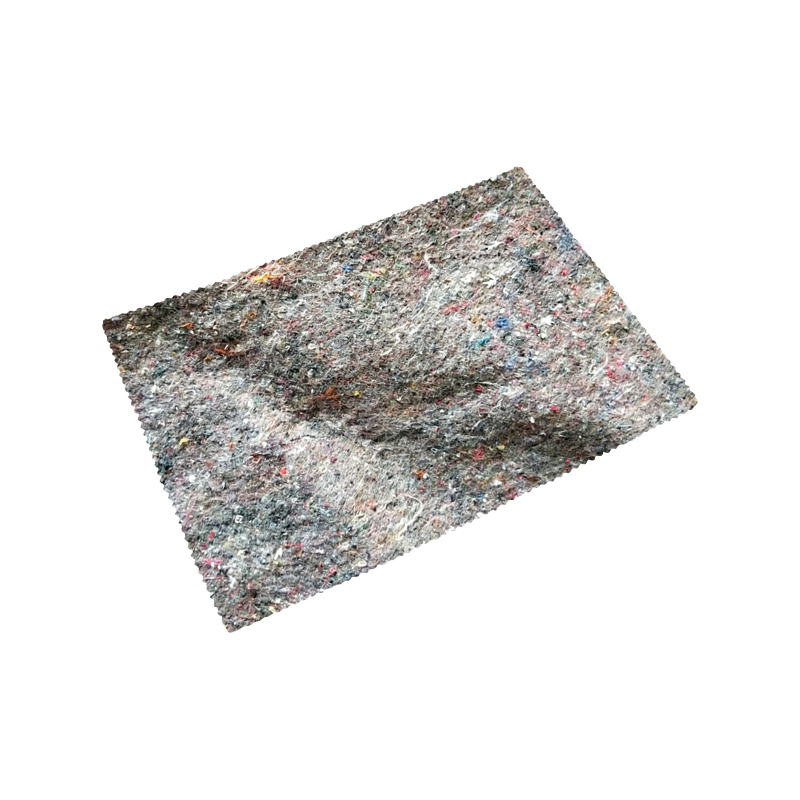


Recycled Mixed Color Insulation Felt for Greenhouse Frost Protection
-
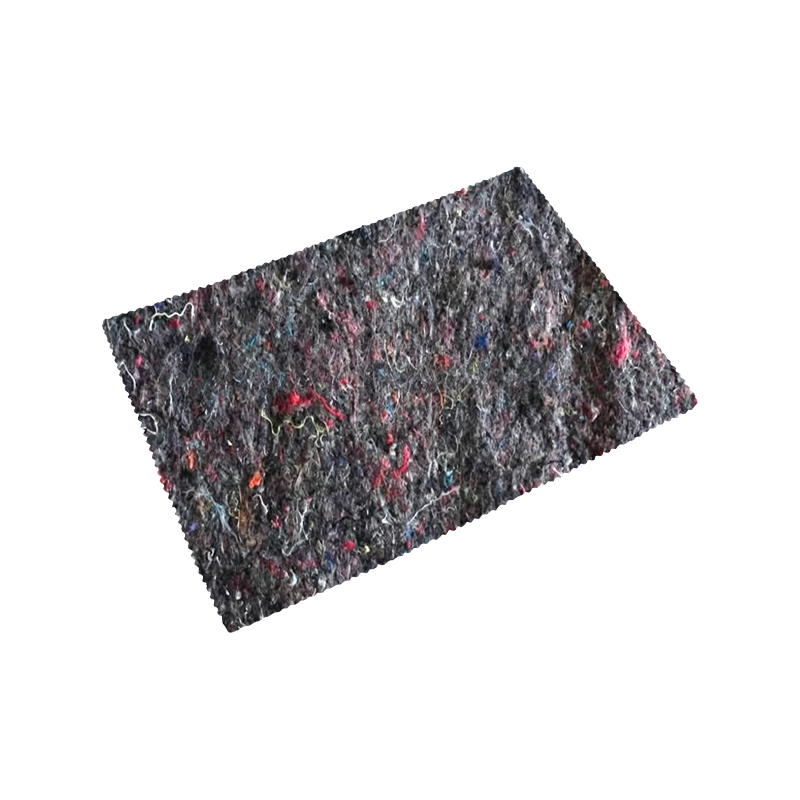
Heavy Duty Non Woven Insulation Fleece for Agricultural Cold Protection
-
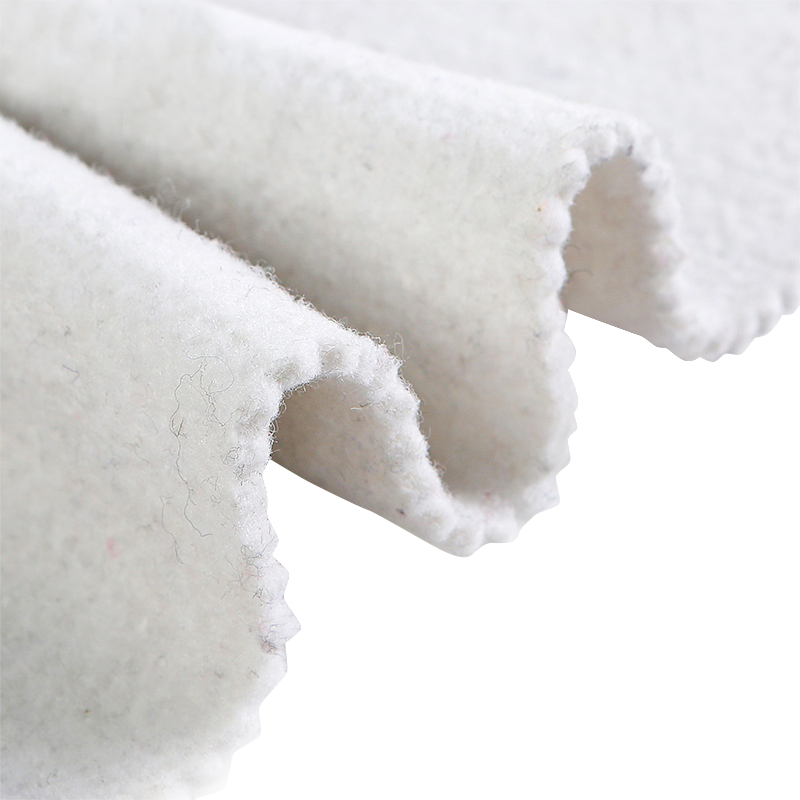
White Non Woven Fabric for Dust Control and Slope Moisture Retention
Greenhouse Insulation & Dustproof Nonwovens are mainly used in modern agricultural planting and facility farming environments. They are made of high-quality polyester through needle-punching, thermal bonding, or composite processes, and offer excellent thermal insulation, breathability, dust resistance, and anti-aging performance. The product can effectively regulate temperature and humidity inside greenhouses, reduce heat loss during nighttime, and improve the stability of the crop growing environment. At the same time, it helps block external dust, impurities, and certain pests, thereby reducing the risk of plant diseases and pest infestations. It is widely used in seedling cultivation, fruit and vegetable planting, flower farming, and greenhouse covering applications. It can serve as ground cover fabric, internal insulation layer, or dustproof separation material. This type of nonwoven fabric is lightweight, soft, easy to install, and highly cuttable, making it suitable for various greenhouse structures. It also supports multi-season reuse, making it an important auxiliary material for improving agricultural productivity and crop quality.
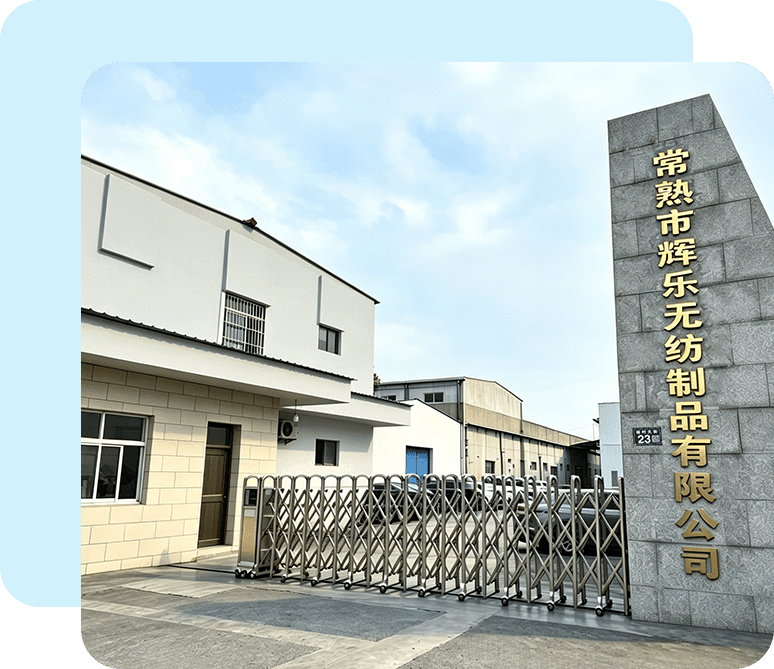
Changshu Hui Le Nonwovens Products Co., Ltd.
Changshu Hui Le Nonwovens Products Co., Ltd is reliable China agricultural horticultural non woven fabric Manufacturer and dust-proof non-woven fabric factory. We are located in Zhitang Town of Changshu City, a place reputed as "China’s Famous Town for Nonwoven Equipment" and "Hometown of Textiles". It is a powerful manufacturer specializing in the production of needle-punched nonwovens, geotextiles, film-coated nonwovens, PE woven fabric composite felts, nonwoven bags, color film woven bags and other products.
The enterprise boasts a modern standard factory building covering over 3,000 square meters, together with supporting office and living areas, professional teams for R&D, production and quality inspection, as well as a sophisticated management system. It is equipped with relatively advanced automatic production lines and professional testing equipment among its peers. Its products are widely applied in construction and road-bridge engineering, interior decoration, large-scale exhibitions, supermarket shopping, product packaging and other sectors.
Main Production & Sales Scope: Manufacturing, processing and sales of nonwoven fabrics, threads, yarns and knitted textiles, as well as auto parts; sales of textile raw materials, chemical fiber raw materials and garment accessories, plus spray-bonded cotton. Our products sell well nationwide. Adhering to the business philosophy of "Customer-oriented Service, Forging Ahead", we uphold the principle of prioritizing customer service to provide all-round support for clients. Friends from all walks of life are warmly welcomed to visit us for guidance and business negotiations.
We take "Survive by Quality, Develop by Reputation" as our core tenet, and meeting customers’ demands is the working goal of all our staff. We sincerely seek cooperation with all sectors of society to jointly create a promising future.
Our first-class production and testing equipment, premium-quality products and thoughtful services have won recognition from numerous construction enterprises and project owners.
With increased and accelerated national investment in the construction of highways, railways, water conservancy, power and environmental protection projects, we will redouble our efforts to continuously upgrade our products and pursue technological innovation, rewarding all sectors of society with even more outstanding achievements.
Certificate Of Honour
News and Information
Working together to create a better future
Contact Us
Greenhouse Insulation & Dustproof Nonwovens Industry knowledge
Greenhouse Insulation & Dustproof Nonwovens are needle-punched polyester fabrics engineered for controlled-environment agriculture. They serve as internal thermal curtains, ground covers, and dust barriers that regulate microclimate, reduce nighttime heat loss, and block airborne particulates. Procurement teams evaluating this category are typically sourcing for commercial greenhouses, nursery tunnels, or high-value crop protection where multi-season reuse and consistent fabric performance directly impact yield stability.
As a dedicated Greenhouse Insulation & Dustproof Nonwovens manufacturer, Changshu Hui Le Nonwovens Products Co., Ltd. supplies three distinct product grades within this category. Each grade targets a different operational priority—frost protection, heavy-duty cold shielding, or dust/moisture control—and the correct selection depends on local climate severity, greenhouse structure, and crop sensitivity.
Product Grade Comparison and Application Fit
Buyers must match the nonwoven grade to the primary stress factor in their operation. The table below summarizes the three available configurations and when each should be shortlisted.
| Product Grade | Typical Weight (gsm) | Primary Function | Shortlist When… |
|---|---|---|---|
| Recycled Mixed Color Insulation Felt | Medium (approx. 200–300) | Frost protection, general thermal retention | Budget-sensitive projects require basic freeze defense; color consistency is not critical. |
| Heavy Duty Non Woven Insulation Fleece | Heavy (approx. 300+) | Severe cold shielding, high mechanical strength | Regions with hard frost, strong winds, or where fabric must withstand frequent handling. |
| White Non Woven Fabric for Dust Control | Light–Medium (approx. 100–200) | Dust exclusion, slope moisture retention, light reflection | Arid/dusty environments, or where supplementary light reflection benefits crop growth. |
For operations facing multiple stressors—e.g., cold nights plus dust storms—a layered approach using a heavy-duty insulation fleece as the primary thermal barrier and a lighter white dust-control fabric as an outer shield often yields the best cost-performance ratio.
Critical Specification Variables
When preparing an RFQ, prioritize these technical parameters. They directly determine installed performance and service life.
- Fabric weight (gsm) – Correlates with thermal resistance (R-value) and tensile strength. Specify a minimum gsm based on your target temperature differential.
- Thickness and density – Needle-punch density affects air entrapment and insulation efficiency. Request a density range (kg/m³) if consistent thermal performance is critical.
- Fiber composition – Polyester staple fiber dominates for UV and moisture resistance. Confirm whether virgin or recycled fiber is used; recycled content may lower cost but can introduce slight variability in tensile strength.
- Color – White fabrics reflect light and reduce heat buildup during the day; mixed-color or darker felts absorb more heat but may show stains less. Specify color for light-management strategies.
- Width and roll length – Standard widths typically range from 1 to 6 meters. Custom widths reduce on-site seaming labor. Define maximum roll diameter for your handling equipment.
- Edge finishing – Raw, heat-sealed, or stitched edges affect fraying during repeated installation. Heat-sealed edges are preferred for multi-season use.
- UV stabilization – Essential for fabrics used as external dust barriers or in high-altitude greenhouses. Request UV inhibitor content or accelerated aging test data.
Installation, Handling, and Line Integration
Greenhouse nonwovens are typically installed as movable curtain systems, fixed inner liners, or ground sheets. Procurement should consider the attachment method early:
- Curtain systems – Require grommets or reinforced hems. Specify grommet spacing (usually 0.5–1 m) and material (brass or stainless steel to avoid corrosion).
- Fixed liners – Demand high tear resistance along staple lines. Request tear strength values (N) in both machine and cross directions.
- Ground covers – Need high puncture resistance and permeability. Confirm water vapor transmission rate if used over irrigated soil.
Integration with automated climate control systems is rare for the fabric itself, but the nonwoven’s breathability must be compatible with ventilation rates. Overly dense fabrics can trap humidity and promote fungal growth. Balance insulation with air permeability—typically 100–300 L/m²/s at 100 Pa for medium-weight grades.
Quality Assurance and Acceptance Testing
Define pass/fail criteria in the purchase order. Recommended tests include:
- Weight tolerance – ±5% of specified gsm, tested per ISO 9073-1.
- Tensile strength – Minimum 200 N/5 cm in machine direction for heavy-duty grades, per ISO 9073-3.
- Tear resistance – Trapezoidal tear method (ISO 9073-4) with minimum values agreed by application.
- Dimensional stability – Less than 2% shrinkage after 24 h at 70°C.
- Visual inspection – No holes, thin spots, or contaminant inclusions exceeding 5 mm in any roll sampled per ANSI/ASQ Z1.4.
Request a first-article sample (2–3 m²) for lab testing before bulk production. For multi-container orders, agree on a lot-by-lot testing protocol with the Greenhouse Insulation & Dustproof Nonwovens supplier.
Maintenance, Spare Parts, and Service Life
These nonwovens are consumable items with a typical service life of 3–5 seasons under normal UV exposure. Extend life by:
- Storing rolls in a dry, shaded area during off-seasons.
- Repairing small tears with compatible polyester patching tape.
- Cleaning dust-laden fabrics with low-pressure air or gentle shaking; avoid high-pressure water that can distort the fiber matrix.
No routine spare parts are required, but keep a 5–10% overage of fabric for emergency repairs. Confirm with the factory whether edge-finishing services (heat-sealing, grommet installation) are available as value-added processing.
Supplier Evaluation Checklist
When qualifying a Greenhouse Insulation & Dustproof Nonwovens factory in China, verify:
- Needle-punch line capability—minimum 2.5 m working width to reduce seams.
- In-house testing for weight, tensile, and tear properties.
- Experience with agricultural export orders, including phytosanitary packaging requirements.
- Ability to provide UV-stabilized formulations with documented additive masterbatch.
- Production lead time for 20-ton orders (typically 15–25 days after sample approval).
Buyer RFQ Checklist
Include the following data points in your inquiry to receive a technically accurate quotation:
| RFQ Item | Specification Required |
|---|---|
| Product grade | Recycled felt / Heavy-duty fleece / White dust-control fabric |
| Target gsm | e.g., 250 gsm ±5% |
| Roll width and length | e.g., 3.2 m × 100 m |
| Color | White / Mixed-color / Custom |
| Edge finishing | Raw / Heat-sealed / Stitched |
| UV stabilization | Yes / No; if yes, specify expected exposure hours |
| Total quantity | e.g., 15,000 m² |
| Packaging | PE-wrapped rolls on pallets / Bulk in container |
| Acceptance tests | List required ISO test methods and limits |
| Target delivery port | FOB Shanghai / CIF destination |
Frequently Asked Questions
What is the minimum order quantity for custom widths?
Most needle-punch lines require a minimum run of 2,000–3,000 m² per width. Confirm with the factory whether slitting from wider master rolls is an option for smaller quantities.
Can the fabric be treated for flame retardancy?
Standard greenhouse nonwovens are not flame-retardant. If required for building code compliance, request a post-treatment with a phosphorous-based FR finish and specify the test standard (e.g., ASTM E84).
How do I verify UV resistance claims?
Request a technical data sheet showing the UV inhibitor masterbatch used and accelerated weathering test results (e.g., ASTM G154, 500 h). Field correlation data from similar climates adds confidence.
What packaging is standard for export?
Rolls are typically wrapped in polyethylene film with labels indicating gsm, width, length, and lot number. Pallets are heat-treated ISPM 15 compliant. Specify if vacuum packaging is needed for high-humidity shipping routes.
Can the factory provide installation accessories?
Some manufacturers offer compatible grommets, fastening clips, or repair tape. Include accessory requirements in the RFQ to consolidate shipping.
Related Category and Product Options
Compare Recycled Mixed Color Insulation Felt for Greenhouse Frost Protection, Heavy Duty Non Woven Insulation Fleece for Agricultural Cold Protection against the required application, operating range and interface before finalizing the RFQ.
Get In Touch
Copyright © Changshu Hui Le Nonwovens Products Co., Ltd.
Custom Agricultural Non Woven Fabric Manufacturer
