 en
en Français
 Español

Contact Us
Need Help? Email Us Now
1337540116@qq.com
-
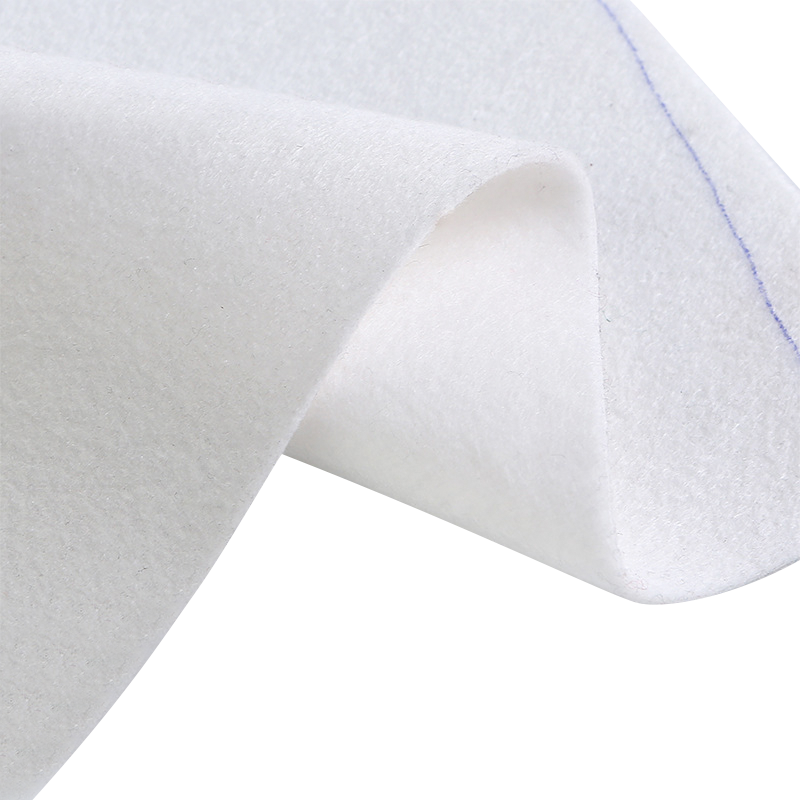


Three Layer Geomembrane Geocomposite for Highway Subgrade Anti Seepage
-
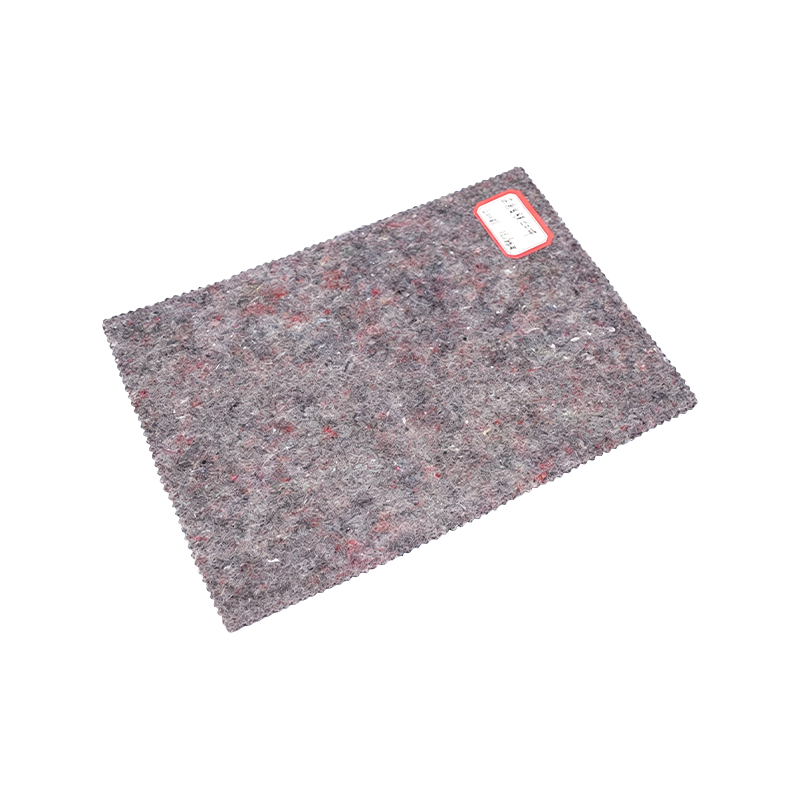
Green Woven Non Woven Composite Geotextile for Road Curing
Composite & film-coated geomembranes are a new type of geosynthetic material made by combining high-strength geotextiles with polymer impermeable membranes through thermal lamination or coating processes. They integrate multiple functions such as anti-seepage, reinforcement, and isolation. The product typically uses polyester or polypropylene nonwoven geotextiles as the reinforcing base material and is laminated with HDPE geomembranes or PE coating layers, giving it excellent tensile strength, puncture resistance, and aging resistance. It is widely used in water conservancy projects, landfill sites, tailings storage facilities, tunnel linings, road engineering, and agricultural water storage systems. It effectively prevents liquid leakage and enhances overall structural stability.
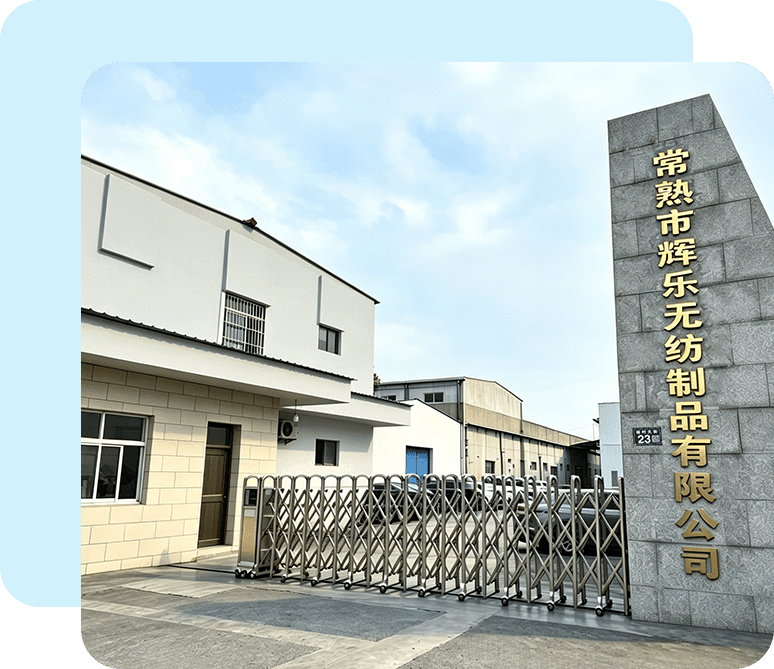
Changshu Hui Le Nonwovens Products Co., Ltd.
Changshu Hui Le Nonwovens Products Co., Ltd is reliable China Composite Film-Coated Geomembrane Manufacturer and film coated geomembranes factory. We are located in Zhitang Town of Changshu City, a place reputed as "China’s Famous Town for Nonwoven Equipment" and "Hometown of Textiles". It is a powerful manufacturer specializing in the production of needle-punched nonwovens, geotextiles, film-coated nonwovens, PE woven fabric composite felts, nonwoven bags, color film woven bags and other products.
The enterprise boasts a modern standard factory building covering over 3,000 square meters, together with supporting office and living areas, professional teams for R&D, production and quality inspection, as well as a sophisticated management system. It is equipped with relatively advanced automatic production lines and professional testing equipment among its peers. Its products are widely applied in construction and road-bridge engineering, interior decoration, large-scale exhibitions, supermarket shopping, product packaging and other sectors.
Main Production & Sales Scope: Manufacturing, processing and sales of nonwoven fabrics, threads, yarns and knitted textiles, as well as auto parts; sales of textile raw materials, chemical fiber raw materials and garment accessories, plus spray-bonded cotton. Our products sell well nationwide. Adhering to the business philosophy of "Customer-oriented Service, Forging Ahead", we uphold the principle of prioritizing customer service to provide all-round support for clients. Friends from all walks of life are warmly welcomed to visit us for guidance and business negotiations.
We take "Survive by Quality, Develop by Reputation" as our core tenet, and meeting customers’ demands is the working goal of all our staff. We sincerely seek cooperation with all sectors of society to jointly create a promising future.
Our first-class production and testing equipment, premium-quality products and thoughtful services have won recognition from numerous construction enterprises and project owners.
With increased and accelerated national investment in the construction of highways, railways, water conservancy, power and environmental protection projects, we will redouble our efforts to continuously upgrade our products and pursue technological innovation, rewarding all sectors of society with even more outstanding achievements.
Certificate Of Honour
News and Information
Working together to create a better future
Contact Us
Composite & Film-Coated Geomembranes Industry knowledge
Composite & Film-Coated Geomembranes: Procurement Decision Framework
Composite & film-coated geomembranes are engineered geosynthetics that combine a high-strength nonwoven geotextile with an impermeable polymer membrane—typically HDPE or PE—through thermal lamination or coating. They deliver anti-seepage, reinforcement, and isolation in a single product, eliminating the need for separate layers on site. Procurement teams evaluating these materials for water conservancy, landfill, tailings, tunnel lining, road subgrade, or agricultural water storage projects must specify the geotextile base weight, film thickness, composite peel strength, and hydraulic performance to match site conditions and design life.
As a Composite & Film-Coated Geomembranes manufacturer, Changshu Hui Le Nonwovens Products Co., Ltd. produces these materials on automated lines with in-house quality control. The category covers two primary configurations: three-layer geocomposites for heavy-duty anti-seepage and woven/nonwoven composites for road curing. Selection hinges on the required impermeability, mechanical robustness, and installation environment.
Application Fit and Process Requirements
These geomembranes are specified where both fluid barrier and mechanical protection are needed. Common applications include:
- Landfill liners and caps: Demand high chemical resistance and puncture protection from the geotextile layer.
- Water reservoirs and canals: Require UV-stabilized film and consistent thickness for long-term hydraulic performance.
- Highway subgrade anti-seepage: Need high tensile strength and elongation to accommodate soil movement.
- Tailings storage facilities: Must withstand aggressive leachates and heavy overburden pressure.
- Tunnel waterproofing: Rely on conformability and puncture resistance during backfilling.
Match the composite structure to the primary failure risk: for puncture-prone subgrades, prioritize a heavier geotextile (≥300 g/m²); for chemical exposure, verify HDPE resin grade and stress crack resistance.
Material Composition and Critical Specifications
The performance of a composite geomembrane is defined by the synergy between its components. Key specification parameters to request in an RFQ include:
| Parameter | Typical Range | Procurement Note |
|---|---|---|
| Geotextile mass per unit area | 100–800 g/m² | Higher mass improves puncture resistance and cushioning; specify based on subgrade angularity. |
| Film thickness | 0.2–2.0 mm | Thicker film reduces permeability but increases weight; balance with installation method. |
| Peel strength (geotextile/film bond) | ≥6 N/cm (ASTM D4437) | Critical for integrity during handling and placement; request test certificates. |
| Tensile strength (MD/CD) | ≥10 kN/m | Must meet project-specific design loads; confirm elongation at break. |
| Hydraulic conductivity | ≤1×10⁻¹¹ cm/s | Verify with ASTM D5887 or equivalent; lower values for hazardous containment. |
| Puncture resistance (CBR) | ≥2.5 kN | Essential for coarse-grained subgrades; test per ASTM D6241. |
For projects requiring long-term UV exposure, specify carbon black content (2–3%) in the film. For cold climates, confirm low-temperature brittleness resistance.
Configuration Options and Subtype Selection
The product line includes two distinct configurations, each suited to different engineering demands:
Three-Layer Geocomposite
A nonwoven geotextile sandwiched between two HDPE membranes or a membrane between two geotextiles. This structure maximizes impermeability and mechanical protection. Shortlist for:
- Landfill basal liners
- Hazardous liquid containment
- Tunnel waterproofing
Woven/Nonwoven Composite
A woven geotextile base laminated with a PE film, often used for road curing and temporary protection. Shortlist for:
- Concrete curing blankets
- Subgrade moisture barriers
- Slope erosion control
When the project requires both high tensile strength and low elongation, a woven composite is preferred. For applications where conformability and multidirectional strength are critical, the nonwoven-based three-layer geocomposite is the better choice.
Capacity, Throughput, and Supply Chain
The manufacturing facility in Changshu operates automated production lines capable of handling large-volume orders. Standard roll widths range from 2 to 6 meters, with lengths up to 100 meters per roll. Custom dimensions are available to minimize on-site seaming. Confirm the supplier's monthly output and current lead times, especially for peak construction seasons. For international projects, clarify packaging (e.g., UV-stabilized wrapping, palletization) and container loading plans to prevent damage during transit.
Installation, Seaming, and Quality Assurance
Field performance depends heavily on seam integrity. Specify the seaming method—hot wedge welding or extrusion welding—and require trial seams on-site. The composite's peel strength must be validated post-installation using vacuum box testing or air lance testing for double-wedge seams. Include the following in your quality plan:
- Pre-installation: Verify roll numbers against mill certificates; check for damage.
- During installation: Monitor ambient temperature, surface cleanliness, and welding parameters.
- Post-installation: Conduct destructive seam tests (peel and shear) at a frequency of one per 150–200 m of seam.
Request a factory audit or third-party testing for critical projects. The supplier should provide ISO or ASTM test reports for each batch, including tensile, tear, puncture, and hydrostatic resistance.
Customization, Compliance, and Documentation
Customization extends beyond dimensions. Specify geotextile fiber type (polyester for alkaline environments, polypropylene for acidic), film color (green for road curing visibility), and surface texturing for slope stability. Request compliance evidence for relevant standards: GRI-GM13 for HDPE geomembranes, ASTM D4437 for seam strength, or local equivalents. For export markets, confirm REACH or RoHS compliance if required. The supplier's certification page indicates ongoing updates; request current certificates before order placement.
Maintenance, Spare Parts, and Lifecycle Cost
Composite geomembranes are typically maintenance-free once covered. However, for exposed applications, plan for periodic inspection and repair. Include repair kits (extrusion welder, patching material) in the initial procurement. Evaluate total cost of ownership by comparing material cost per square meter, installation labor, seaming consumables, and expected service life. A higher upfront cost for a thicker, UV-stabilized composite may reduce long-term repair and replacement expenses.
Supplier Evaluation Criteria
When qualifying a Composite & Film-Coated Geomembranes supplier, assess:
- Production capability: Automated lines with in-line thickness gauging and defect detection.
- Quality system: ISO 9001 or equivalent; internal lab for routine mechanical and hydraulic testing.
- Project references: Case studies in similar applications (e.g., highway subgrade, landfill).
- Logistics reliability: Export packaging, documentation for customs, and on-time delivery history.
Visit the factory or request a video tour to verify equipment and quality control processes. The Nonwoven Geotextile category page provides additional context on base material options.
Buyer RFQ Checklist
Include these data points in your request for quotation to receive comparable proposals:
| RFQ Item | Specification Required |
|---|---|
| Composite type | Three-layer geocomposite or woven/nonwoven composite |
| Geotextile mass (g/m²) | State required value and tolerance |
| Film material and thickness (mm) | HDPE, LLDPE, or other; specify thickness |
| Roll dimensions (width × length) | Standard or custom; max. weight for handling |
| Mechanical properties | Tensile, tear, puncture, peel strength with test methods |
| Hydraulic conductivity (cm/s) | Maximum acceptable value |
| UV resistance requirement | Exposed or covered; carbon black content if needed |
| Quantity and delivery schedule | Total m², partial shipments, lead time |
| Certification and testing | Mill certificates, third-party test reports, compliance standards |
| Packaging and shipping | Export wrapping, palletization, container loading plan |
Frequently Asked Questions
What is the difference between a composite geomembrane and a standard geomembrane?
A standard geomembrane is a single-layer polymer sheet, while a composite geomembrane integrates a geotextile for added puncture protection, friction, and drainage capacity. The composite reduces installation steps and provides a robust barrier system.
How do I select the correct geotextile weight for my project?
Base the geotextile mass on subgrade conditions: 200–300 g/m² for smooth, fine-grained soils; 400–600 g/m² for angular gravel or rocky subgrades; 800 g/m² or higher for extreme puncture hazards. Consult the supplier's technical team with site photos and soil reports.
Can composite geomembranes be customized for slope stability?
Yes. Specify a textured film surface or a heavier geotextile with high interface friction angles. Provide the slope angle and soil type to determine the required shear strength.
What testing should I request before shipment?
Request batch-specific test certificates for tensile strength, elongation, tear resistance, puncture resistance, hydrostatic pressure, and peel adhesion. For critical projects, arrange third-party sampling and testing from the production lot.
How are these geomembranes packaged for export?
Rolls are typically wrapped in UV-resistant film, labeled with roll numbers and specifications, and palletized for container loading. Confirm packaging details to prevent moisture ingress and physical damage during ocean freight.
Related Category and Product Options
Compare Three Layer Geomembrane Geocomposite for Highway Subgrade Anti Seepage against the required application, operating range and interface before finalizing the RFQ.
Get In Touch
Copyright © Changshu Hui Le Nonwovens Products Co., Ltd.
Custom Geotextile Composite Geomembranes Manufacturer
