en
 Français
 Español

Curing Blankets vs Geotextiles: Key Differences and How to Choose | Changshu Hui Le
2026-10-08Construction crews, road-maintenance teams, and concrete contractors often ask whether a curing blanket and a geotextile are interchangeable. The short answer is: only when the geotextile is specifically built for curing duty. A dedicated curing blanket maximizes water retention and thermal insulation. A non-woven curing geotextile combines moisture control with filtration, drainage, and separation, which makes it more practical on road projects. The right choice depends on the surface type, curing period, and whether the fabric stays in the structure or gets removed. This guide compares both materials, explains what each one does, and gives you a practical selection framework for your next job.
What a Curing Blanket Is Designed to Do
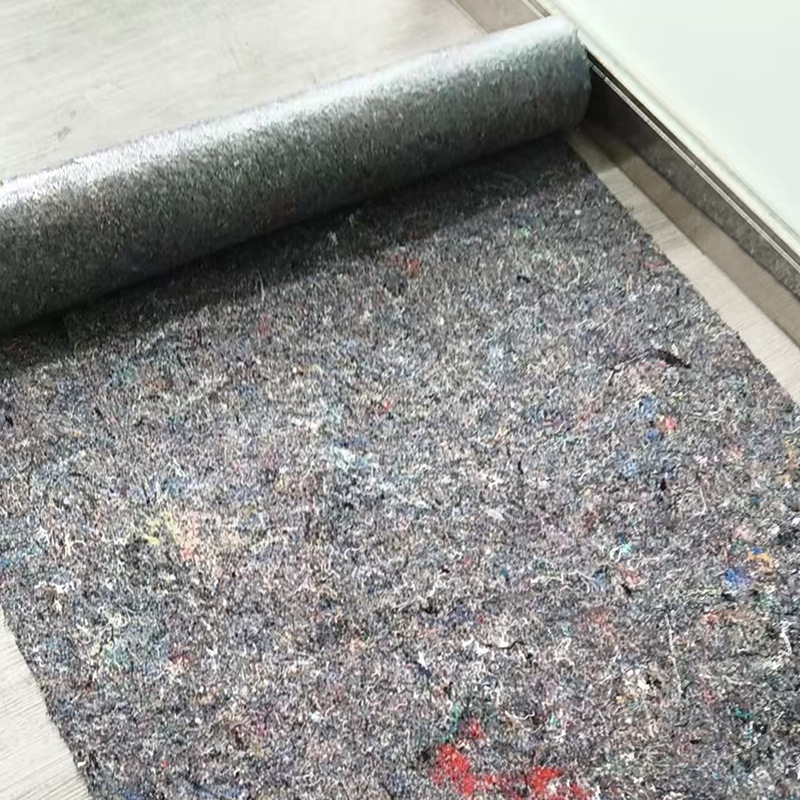
A curing blanket is a water-absorbent cover placed over freshly finished concrete to slow evaporation and keep the surface temperature stable. Without that cover, wind and direct sunlight pull moisture out of the slab faster than the cement can hydrate, which leads to plastic shrinkage cracks, dusting, and a weak abraded surface. The blanket keeps a moist layer in contact with the concrete so hydration continues at a predictable rate.
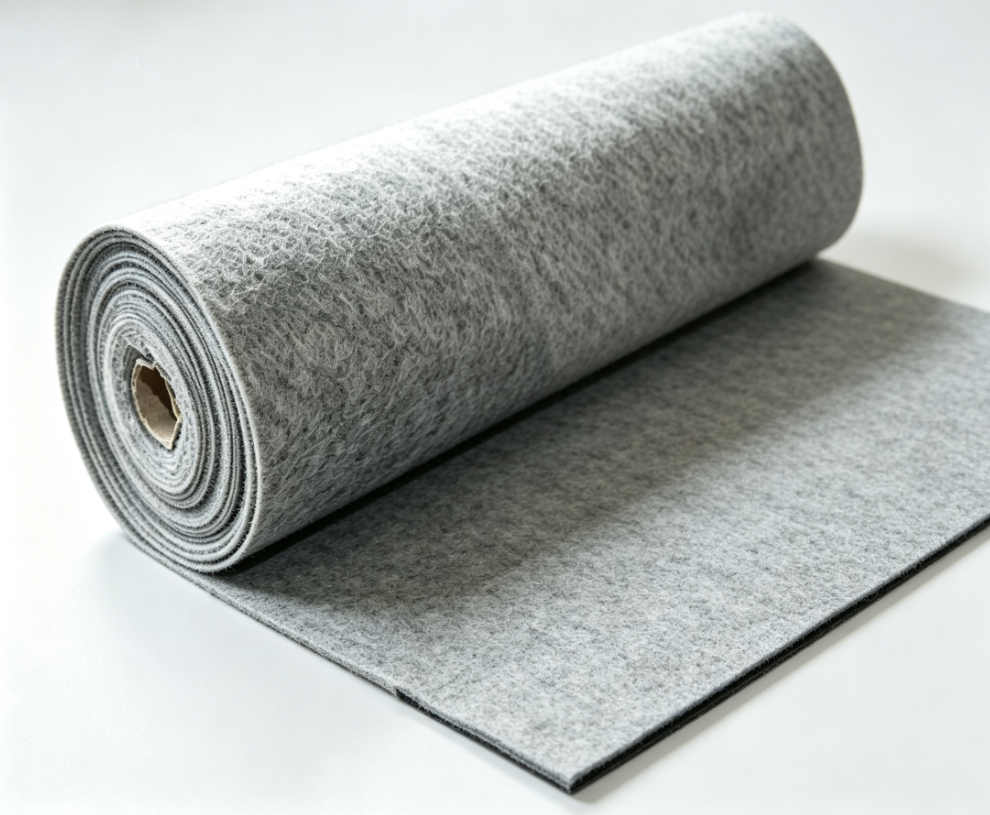
Curing blankets come in burlap, cotton felt, and synthetic non-woven constructions. Burlap absorbs a large amount of water but dries quickly. Cotton felt holds water longer but becomes heavy and may leave lint on the surface. Synthetic non-woven blankets, usually polyester or polypropylene, balance water retention with consistent coverage and easier handling. Many project specifications reference ASTM C171 or AASHTO M 171, which set requirements for moisture retention, coverage, and cleanliness of the sheeting material.
For a bridge deck, repair patch, or any horizontal pour above grade, contractors often choose a synthetic blanket because it covers irregular edges well and can be overlapped easily. If the pour sits in open air for more than a few hours, a dense-fiber fabric is the safer option for keeping the surface uniformly moist.
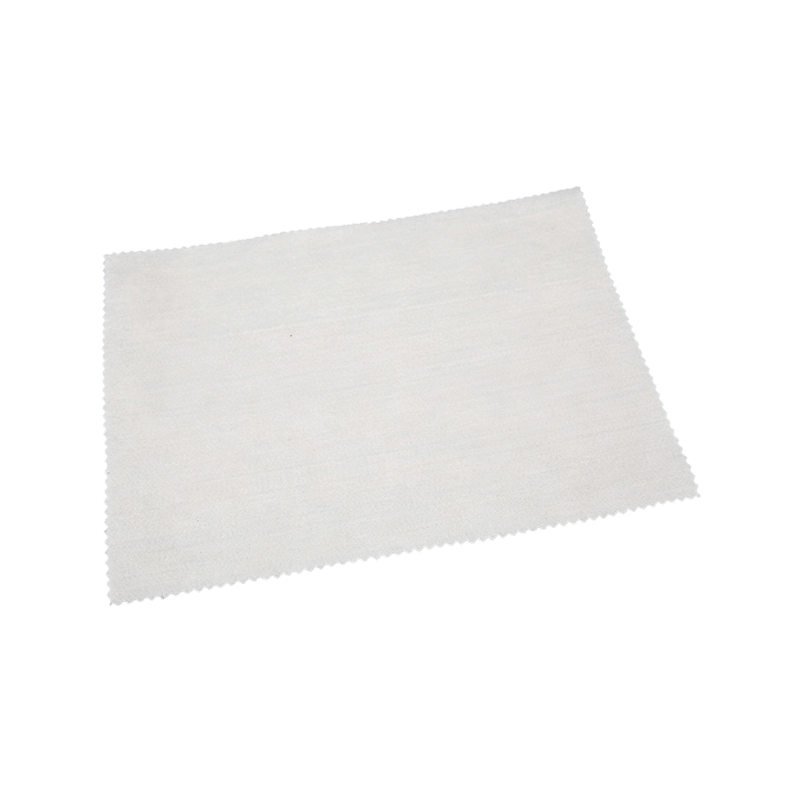
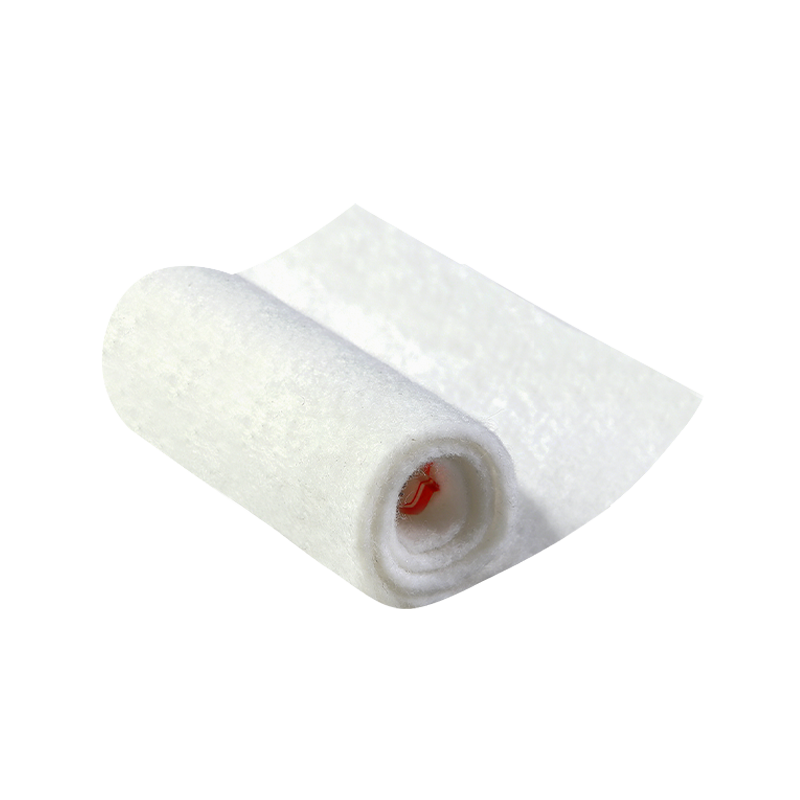
 Polyester Short Filament Non-Woven Geotextile for Concrete CuringThis needle-punched PET geotextile is designed for high-standard road and concrete curing. Its dense fiber network retains moisture and reduces evaporation, helping prevent shrinkage cracks while withstanding alkaline cement environments.View Product →
What a Geotextile Brings to a Curing Job
A geotextile is a permeable fabric designed for soil and aggregate engineering. In curing work, non-woven geotextiles are laid over fresh pavement or subgrade to retain moisture, but they also provide mechanical functions that burlap and cotton blankets cannot. The fabric separates the curing layer from the aggregate base, filters water passing through, and distributes the load of construction traffic.
Take a highway curing project as an example. The contractor places the geotextile over the freshly paved base, saturates it, and lets it sit for the specified curing period. Because the geotextile is manufactured with tensile strength in mind, it survives being walked on, driven over by light equipment, and pulled for repositioning. At the end of curing, the fabric can be removed, or in some designs, left in place as a separator layer between the base and the next pavement lift.
200-240 g/m2
Typical highway curing weight
7 days
Standard wet-curing period
150 mm
Recommended overlap between rolls
The key difference is that a geotextile is designed as an engineering material with tested values for grab strength, elongation, permeability, and puncture resistance. A curing blanket is designed for water retention first, with structural performance a secondary concern. This matters when the fabric has to survive traffic or act as a permanent part of the pavement structure.
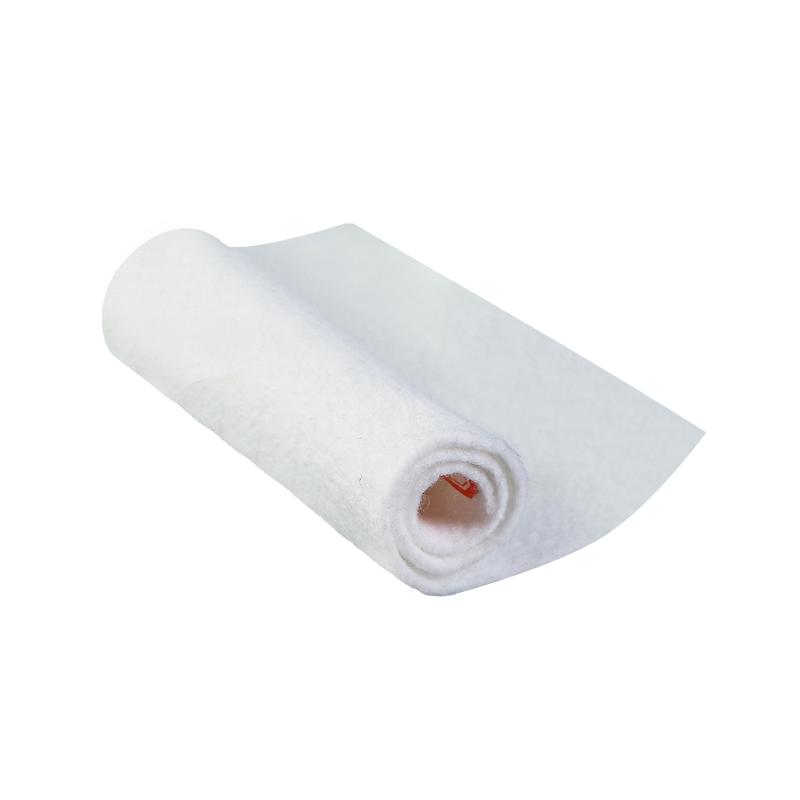
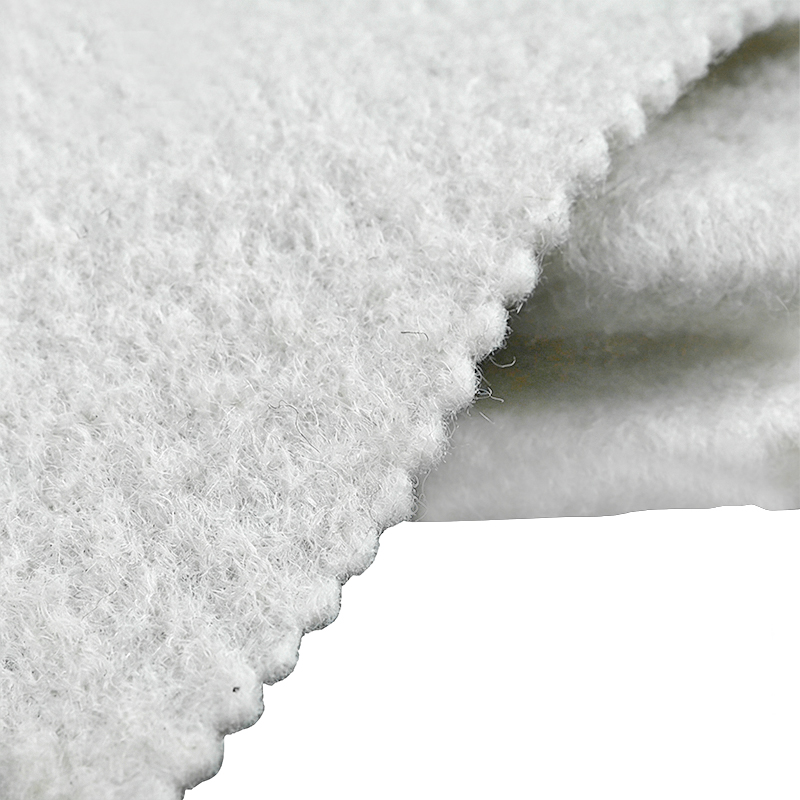 240gsm Polyester Non-Woven Geotextile for Highway CuringAt 240gsm, this polyester geotextile offers higher mass per square meter for improved water retention and cushioning. It conforms to uneven subgrades, buffers temperature swings, and supports highways or bridge decks during curing and early traffic.View Product →
For road networks where the fabric will see light traffic before the final surface is placed, a 240gsm polyester non-woven geotextile is a common specification because the higher mass per square meter provides both water retention and cushioning.
Curing Blankets vs Geotextiles: Side-by-Side Comparison
When you need to make a purchasing decision, compare the specific grade you plan to install against the following properties.
| Property | Curing Blanket | Curing Geotextile |
|---|---|---|
| Primary function | Moisture retention and temperature control | Moisture retention plus separation, filtration, and drainage |
| Typical weight | 120-500 g/m2 | 100-600 g/m2 |
| Water absorption | High | Medium to high, depending on fiber density |
| Tensile strength | Low to medium | Medium to high, tested to standards |
| Puncture resistance | Low to medium | Medium to high |
| Reusability | Limited; absorbs dirt and tears easily | Often single-use in curing, but can act as a final separator layer |
| Typical certification | ASTM C171 / AASHTO M 171 | AASHTO M 288 / ASTM D4873 |
| Best application | Bridge decks, slabs, wall pours | Highways, subgrade, slope protection, drainage layers |
How to Choose the Right Material for Your Project
Select the fabric based on three factors: concrete type, environment, and what happens to the fabric after curing.
Concrete Type
Standard concrete pavement and structural slabs perform well with a non-woven curing geotextile in the 200-240 g/m2 range. Architectural concrete with strict cosmetic requirements benefits from a dedicated curing blanket because it reduces surface staining and pattern transfer. Lean concrete and mass concrete, where internal heat is a bigger concern, need a heavier insulating cover with confirmed thermal performance.
Environment and Weather
In hot, dry, or windy conditions, choose a fabric with higher water absorption and overlap the edges by at least 150 mm to prevent dry lanes between rolls. In cold weather, insulation matters more than water retention. Add a top insulating layer or use a heavier geotextile specified for temperature control.
Post-Curing Role
If the fabric will be removed after seven days, cost and ease of removal are the main considerations. If the fabric will stay in the structure, choose a geotextile that can serve as a permanent separator, which is common in subgrade and slope protection work. For layered road drainage systems, a white non-woven geotextile handles both curing moisture and ongoing filtration without blocking the drainage plane.
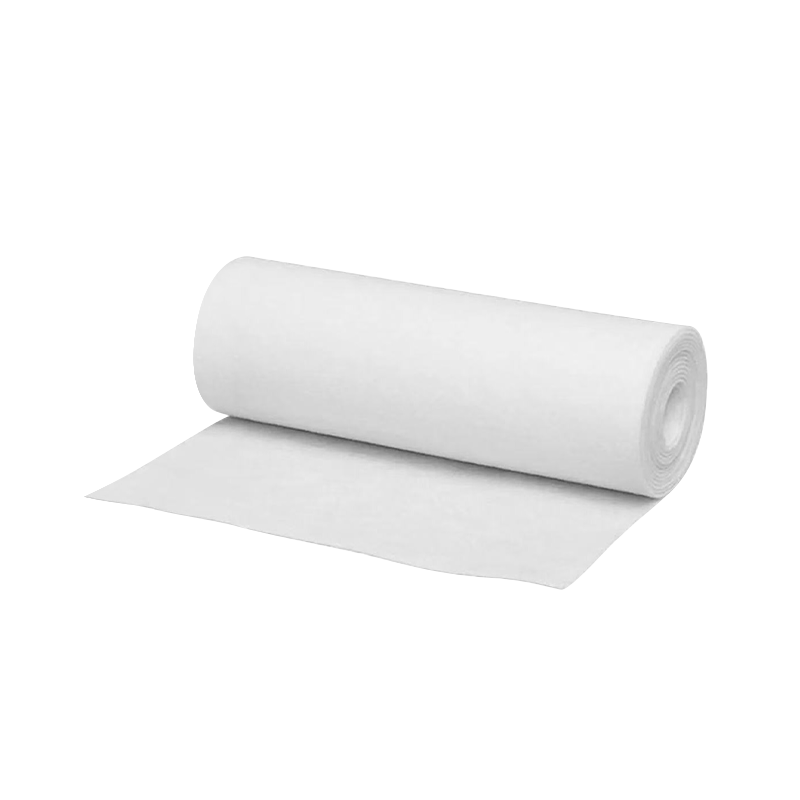
 Standard White Non-Woven Geotextile for Road Drainage & FiltrationThis white PET non-woven geotextile provides separation and filtration in road drainage systems. It lets water pass while retaining soil particles, and can handle both curing moisture and ongoing filtration without clogging the drainage plane.View Product →
Procurement Considerations for Curing Fabrics
Buying curing fabric by the roll is easy. Buying the right curing fabric requires a little more work. Start with the project specification and ask the engineer four questions: what is the minimum water retention, what tensile strength is required, will the fabric be removed after curing, and what is the maximum working time under the material?
Then review the supplier technical data sheet. Look for measured values rather than generic descriptions. A data sheet that lists the fabric weight in g/m2, the needle-punch density, the dry and wet tensile strength, and the water permeability gives you a basis to compare quotes. A data sheet that only says "high quality" gives you nothing.
Plan for overlap and anchorage. On sloping surfaces, pin the fabric or hold it with sandbags so wind and surface runoff do not lift it. On flat pavement, overlap the edges by 100 to 200 mm. For large municipal projects, you may also need to submit a sample for laboratory testing before delivery.
Suppliers sometimes adjust their manufacturing formula without changing the product name. Confirm the current technical data before each order, and follow our industry news for updated specifications and application notes.
Frequently Asked Questions
Q1: Can a geotextile be used as a curing blanket?
Yes, in most road and pavement applications. A non-woven geotextile with a fabric weight of at least 200 g/m2 provides enough water retention to cure standard concrete. For architectural concrete or very hot and windy sites, a dedicated curing blanket remains the safer choice.
Q2: What is the recommended fabric weight for concrete curing?
For structural slabs and highways, 200 to 240 g/m2 is a practical range. Lighter fabrics around 120 to 180 g/m2 work for short curing periods or covered environments. Heavier fabrics above 300 g/m2 are used when the fabric also performs separation or reinforcement functions.
Q3: How long should a curing geotextile stay on the concrete?
The standard curing period for most pavements is seven days under wet conditions. The fabric should stay in place, moist, for that entire period. If the concrete must dry before sealing or finishing, remove the fabric in stages over the final 24 hours.
Q4: Can I reuse a non-woven curing geotextile?
In theory yes, if it is cleaned and dried. In practice, most curing geotextiles are single-use. Reusing fabric that has picked up dirt, oil, or debris risks contaminating fresh concrete. For small projects, flipping the fabric to the clean side is acceptable, but for large pours, budget for fresh rolls.
A curing blanket and a curing geotextile do different jobs, even when they look similar on a pallet. The blanket maximizes water retention for a dedicated curing period. The geotextile provides that plus the mechanical properties required by road and earthwork specifications. Match the material to the specific project, verify the supplier data sheet, and order enough overlap to keep the crew productive.
When you have questions about the right grade for a tender or site condition, contact us with your specification and we will confirm the appropriate fabric.
Contact Us
Your email address will not be published. Required field are marked*
Categories
- Company News(3)
- Industry News(15)

Contact Us
1337540116@qq.com