 en
en Français
 Español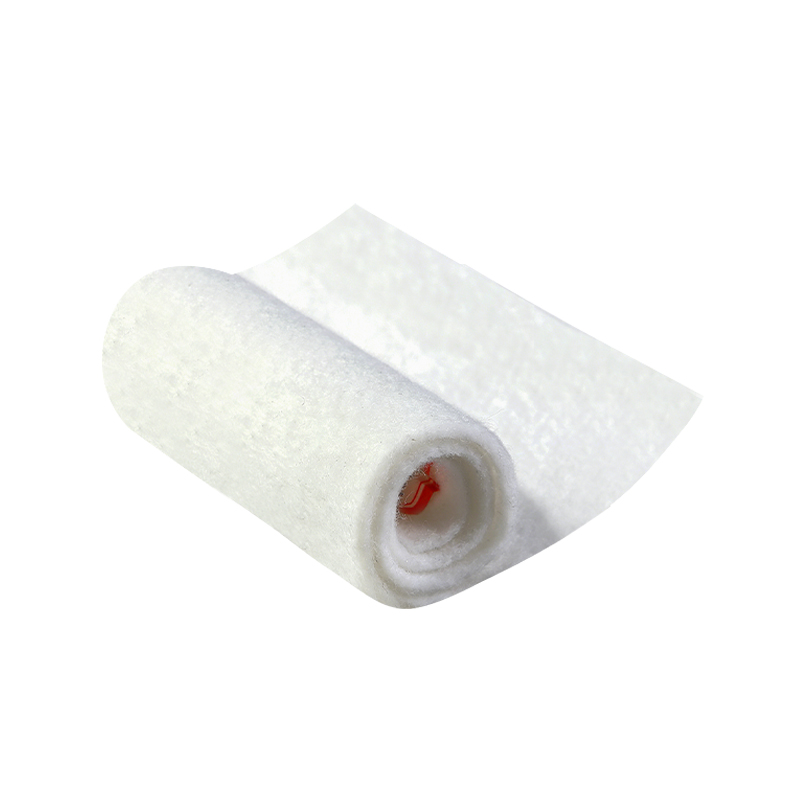
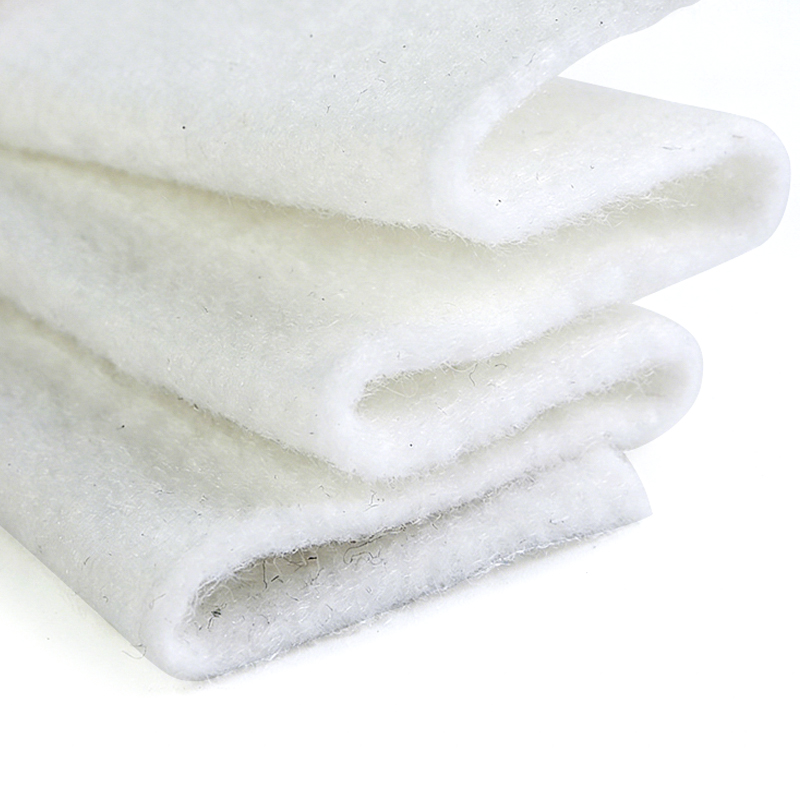
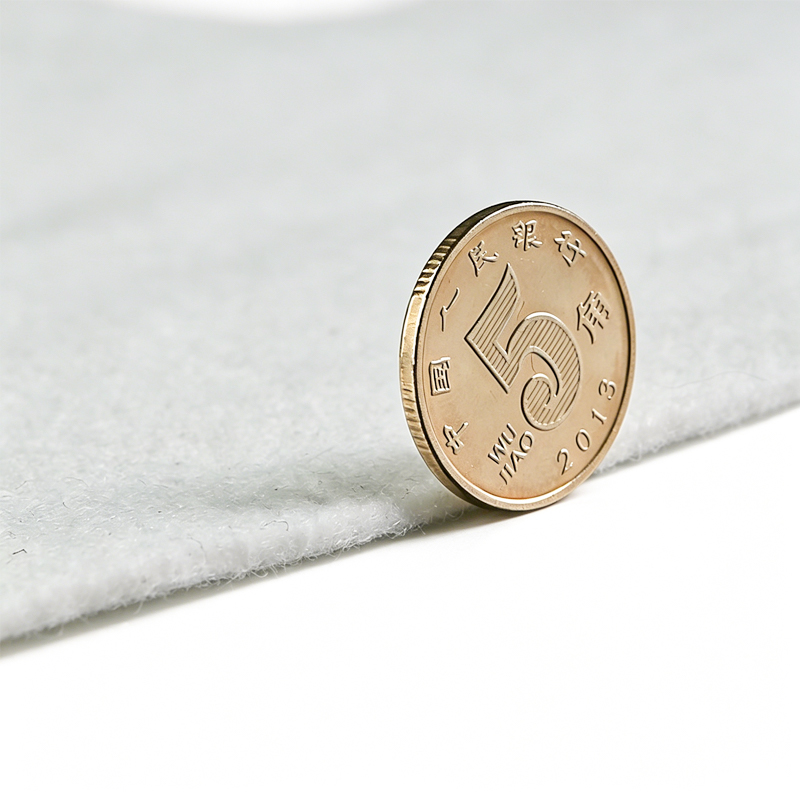
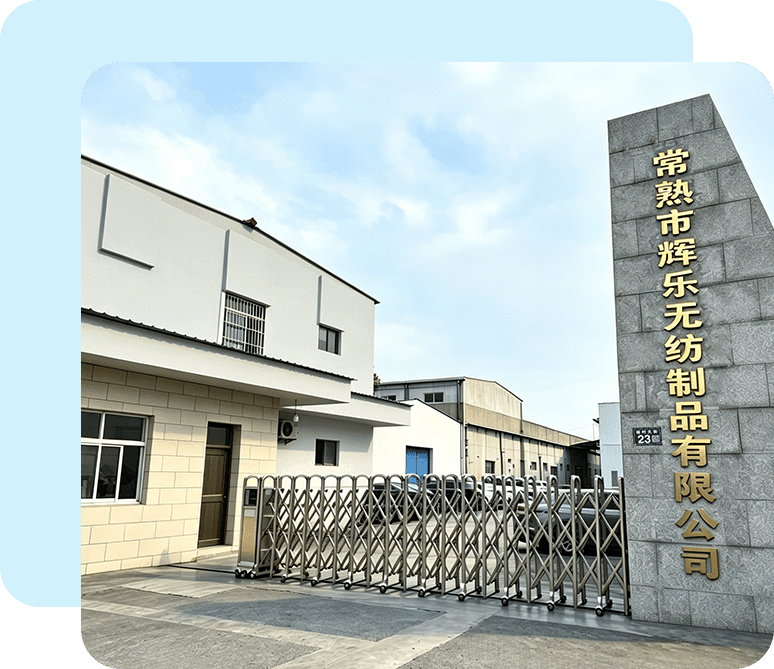
Changshu Hui Le Nonwovens Products Co., Ltd is reliable Standard Specification Needle Punched Non Woven Polyester Geotextile suppliers and Standard Specification Needle Punched Non Woven Polyester Geotextile wholesaler in China. We are located in Zhitang Town of Changshu City, a place reputed as "China’s Famous Town for Nonwoven Equipment" and "Hometown of Textiles". It is a powerful manufacturer specializing in the production of needle-punched nonwovens, geotextiles, film-coated nonwovens, PE woven fabric composite felts, nonwoven bags, color film woven bags and other products.
The enterprise boasts a modern standard factory building covering over 3,000 square meters, together with supporting office and living areas, professional teams for R&D, production and quality inspection, as well as a sophisticated management system. It is equipped with relatively advanced automatic production lines and professional testing equipment among its peers. Its products are widely applied in construction and road-bridge engineering, interior decoration, large-scale exhibitions, supermarket shopping, product packaging and other sectors.
Main Production & Sales Scope: Manufacturing, processing and sales of nonwoven fabrics, threads, yarns and knitted textiles, as well as auto parts; sales of textile raw materials, chemical fiber raw materials and garment accessories, plus spray-bonded cotton. Our products sell well nationwide. Adhering to the business philosophy of "Customer-oriented Service, Forging Ahead", we uphold the principle of prioritizing customer service to provide all-round support for clients. Friends from all walks of life are warmly welcomed to visit us for guidance and business negotiations.
We take "Survive by Quality, Develop by Reputation" as our core tenet, and meeting customers’ demands is the working goal of all our staff. We sincerely seek cooperation with all sectors of society to jointly create a promising future.
Our first-class production and testing equipment, premium-quality products and thoughtful services have won recognition from numerous construction enterprises and project owners.
With increased and accelerated national investment in the construction of highways, railways, water conservancy, power and environmental protection projects, we will redouble our efforts to continuously upgrade our products and pursue technological innovation, rewarding all sectors of society with even more outstanding achievements.

Subgrade & Slope Protection Geotextiles
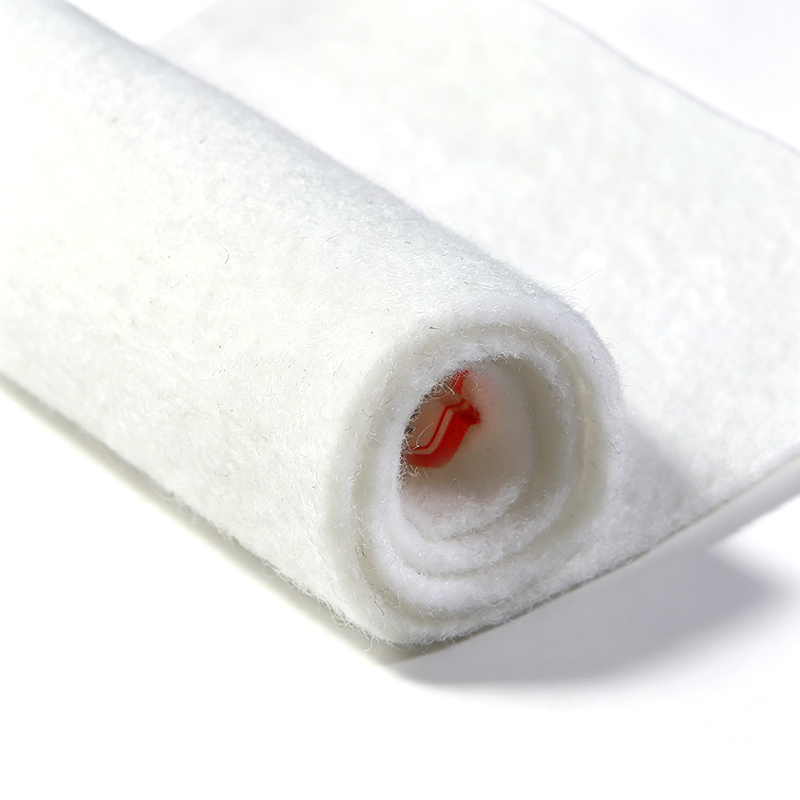
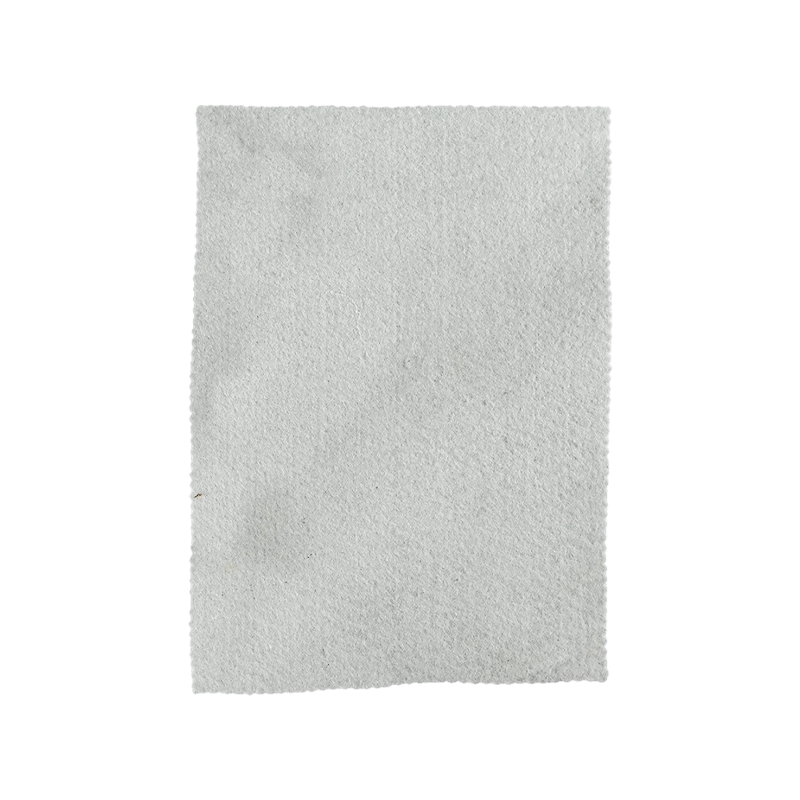
Standard Specification Needle Punched Non Woven Polyester Geotextile
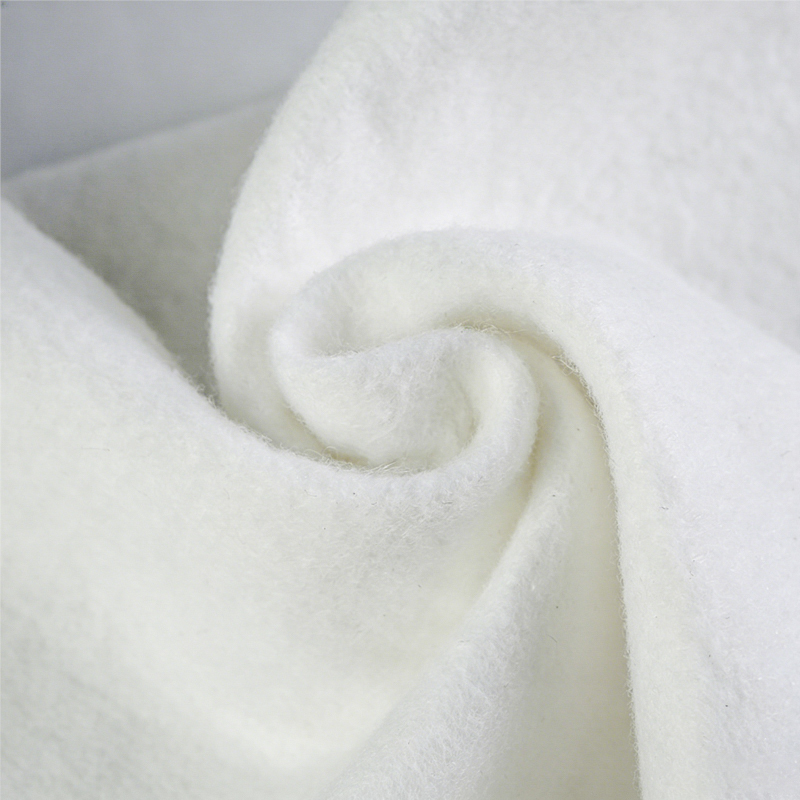
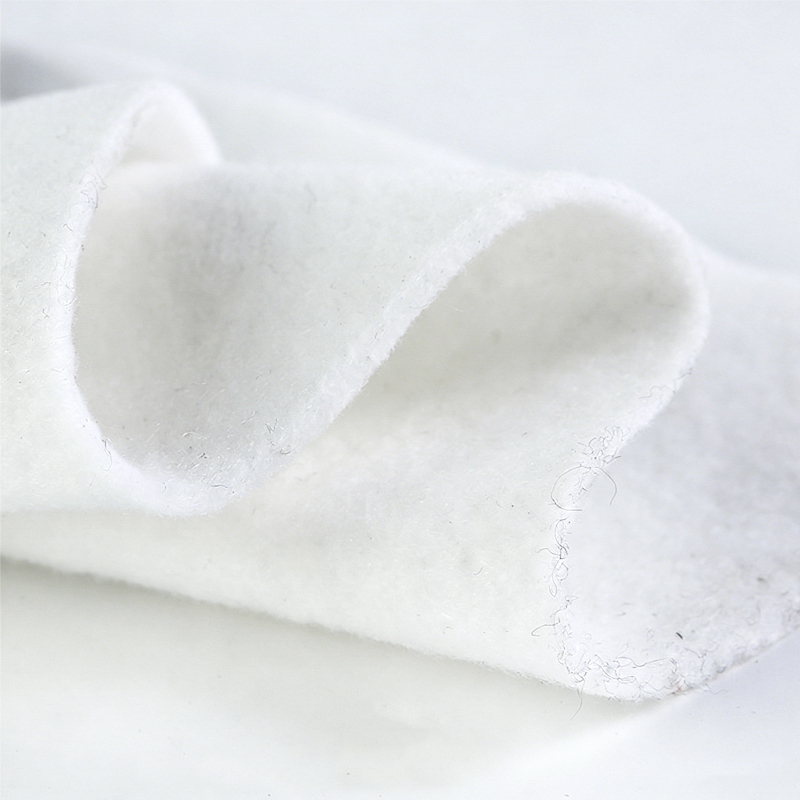
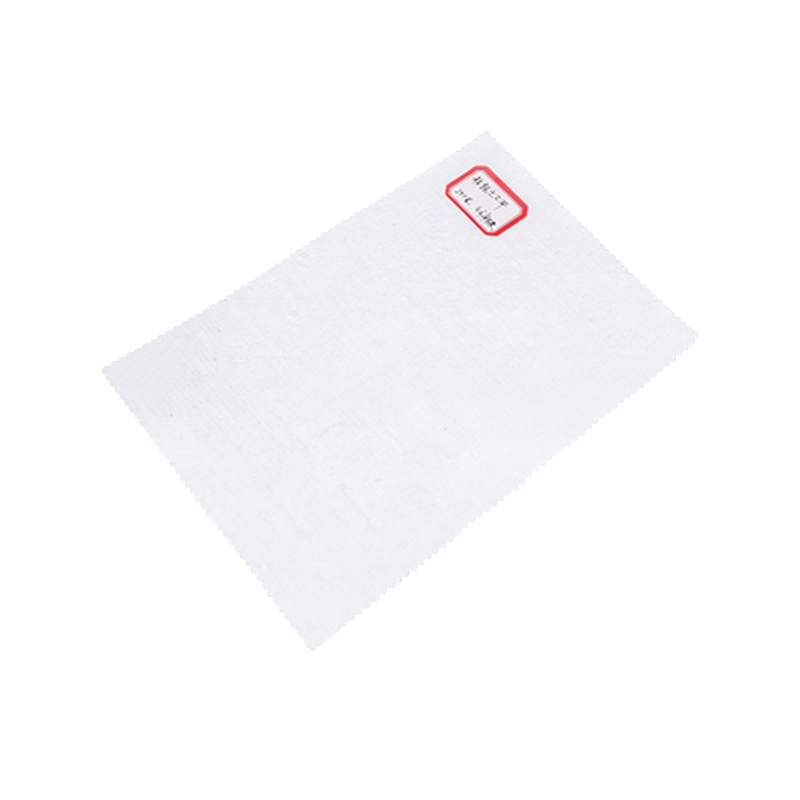
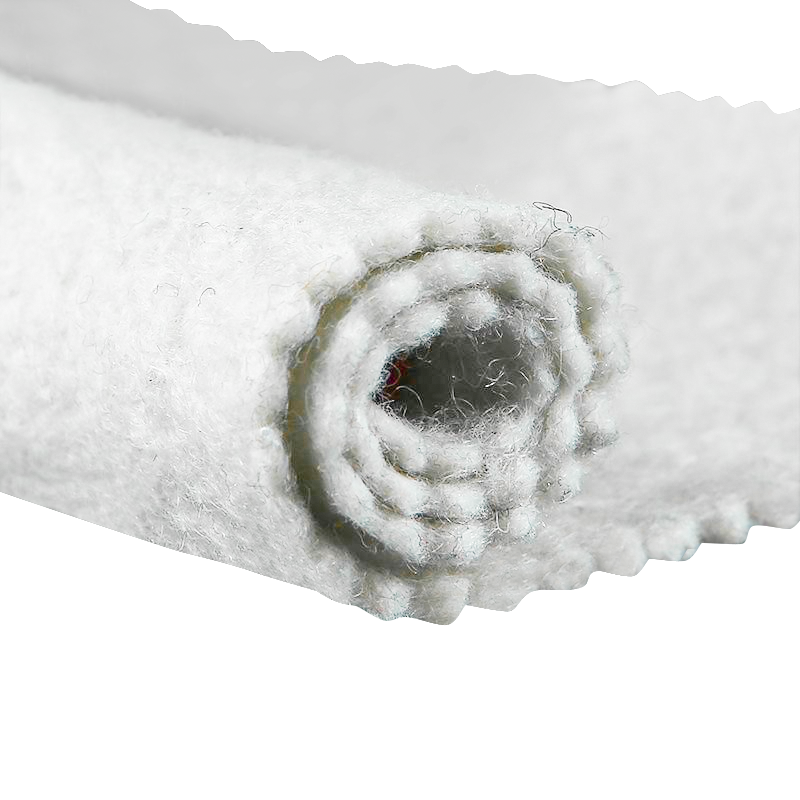
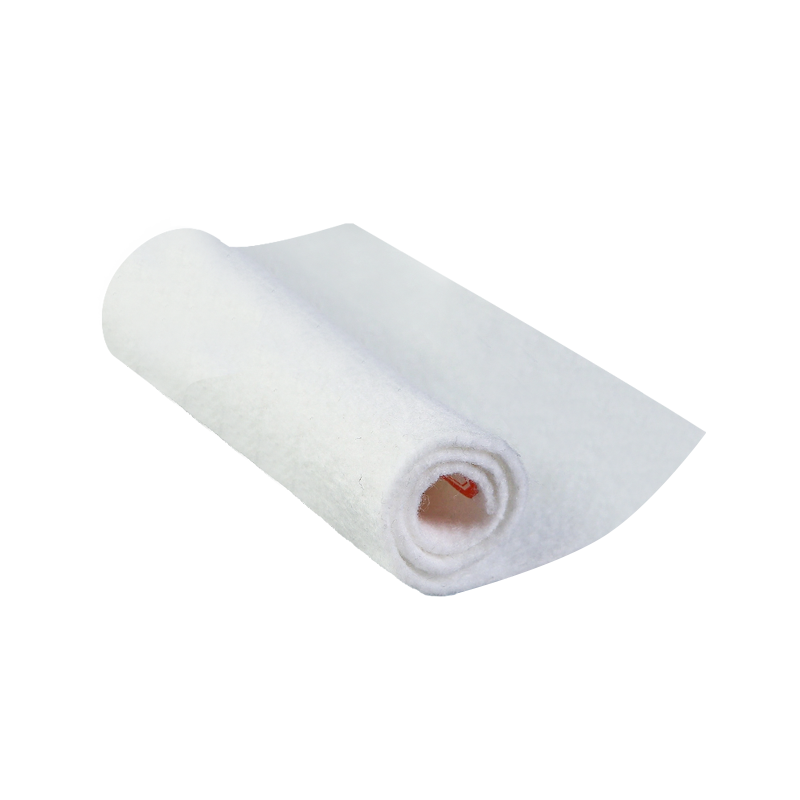
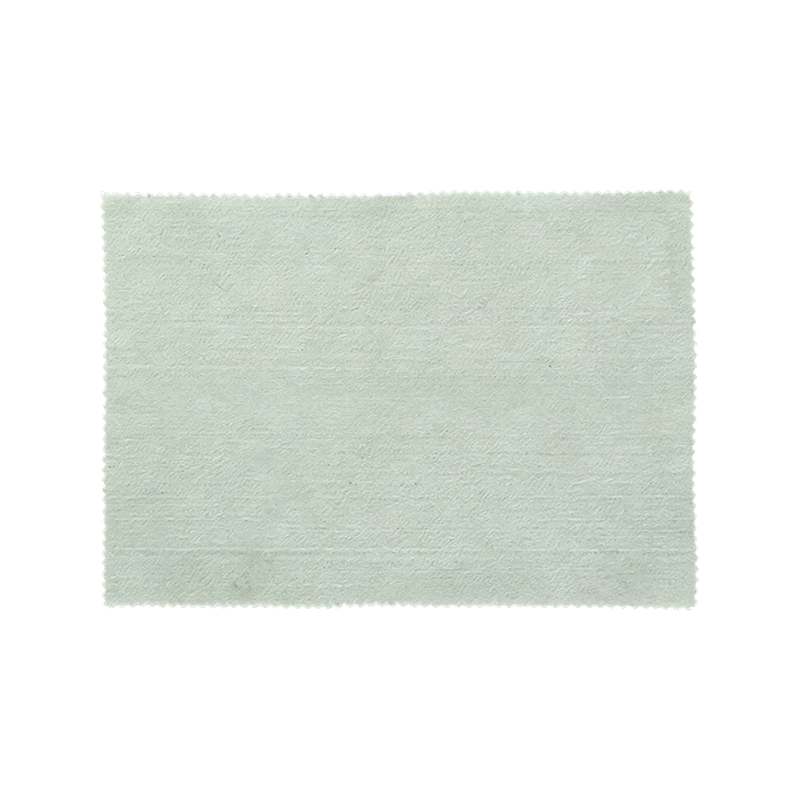
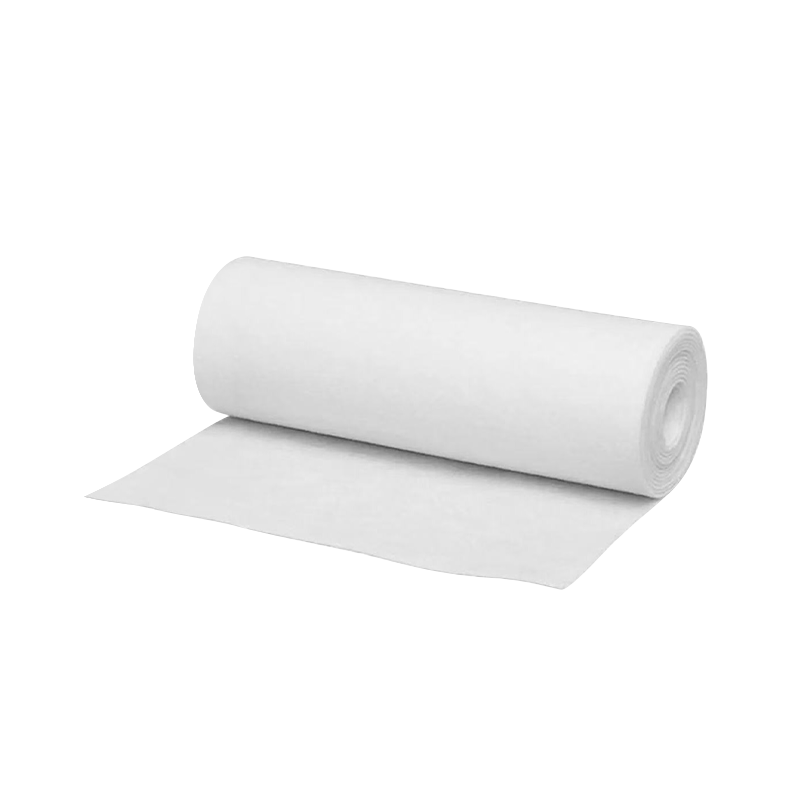
Standard specification needle punched non woven polyester geotextile is made from polyester (PET) as the raw material and formed through a precision needle-punching process into a three-dimensional interlocked nonwoven structure. It features stable physical and mechanical properties as well as excellent permeability control performance. In subgrade reinforcement and slope protection engineering, this material is primarily used to achieve effective separation between soil and water flow while enabling coordinated drainage. Through a dual mechanism of filtration and drainage, it effectively prevents the loss of fine soil particles while allowing water to pass smoothly, thereby enhancing overall structural stability and anti-erosion capacity and extending the service life of roads and slope engineering projects.
-
 Product Information
 -
Contact Us
-
Product Features
·High-Strength Tensile Structure System: Made of high-strength polyester staple fibers, the material is consolidated through a three-dimensional needle-punching process to form a uniform and dense fiber network, providing excellent tensile strength in both longitudinal and transverse directions, as well as strong resistance to deformation. It adapts well to complex foundation settlement and slope displacement conditions.
·Stable Filtration and Water Permeability: The optimized pore structure allows water to pass freely while effectively retaining fine soil particles, preventing particle migration and structural damage caused by hydraulic erosion.
·Excellent Durability and Corrosion Resistance: PET material provides strong resistance to acids, alkalis, and microbial attack, making it suitable for long-term use in humid underground and complex geological environments without significant degradation or performance loss.
·Good Flexibility and Conformability: The material is soft with moderate elongation, allowing it to closely conform to irregular terrain, slopes, and gravel bases, improving installation efficiency and enhancing overall structural continuity and stability.Product Advantages·Improved Subgrade Stability: Through the combined functions of separation, reinforcement, and filtration, it reduces the risk of structural instability caused by mixing of soils with different particle sizes, enhancing load-bearing capacity and deformation resistance of the subgrade.
·Enhanced Slope Erosion Resistance: Under rainfall and runoff conditions, it effectively reduces the erosive force of water on slope surfaces, minimizing soil erosion and maintaining structural integrity.
·Optimized Drainage and Stress Distribution: It forms stable seepage channels within the engineering system, reducing pore water pressure accumulation, improving the stress environment, and minimizing localized failure risks.
·Easy Installation and Cost Efficiency: The lightweight material is easy to handle, cut, and overlap during installation, significantly improving on-site construction efficiency while supporting large-area continuous laying, thereby reducing overall project costs.
·Long-Term Durability and Low Maintenance: With stable physical and chemical properties, it maintains functional integrity in long-term buried conditions, effectively reducing maintenance and repair frequency.Core Application Scenarios·Highway and Municipal Road Subgrade Engineering: Used for subgrade reinforcement, separation, and filtration layers to improve overall stability and load-bearing performance.
·Slope Protection and Ecological Slope Engineering: Suitable for various soil slopes, hydraulic slope protection, and mountain reinforcement projects, effectively controlling soil erosion and surface degradation.
·Railway Subgrade and Foundation Engineering: Used as separation and drainage layers in railway foundation systems to optimize load distribution and improve structural safety.
·Water Conservancy and Drainage System Engineering: Applied in canals, embankments, and drainage structures to achieve dual functions of filtration drainage and soil protection.ParametersBrand Hui Le Is customization supported Customization Available -
Message Feedback
Changshu Hui Le Nonwovens Products Co., Ltd.
Certificate Of Honour
News and Information
Working together to create a better future
Contact Us
Get In Touch
Copyright © Changshu Hui Le Nonwovens Products Co., Ltd.Wholesale Standard Specification Needle Punched Non Woven Polyester Geotextile Supplier 