en
 Français
 Español

Non Woven Fabrics Explained: Types, Properties, and Practical Buying Guide
2026-09-21When you specify a material for road maintenance or protect a finished floor during renovation, the choice often comes down to non woven fabrics. These materials are built by bonding fibers directly together, without weaving or knitting. That simple difference makes them faster to produce, easier to customize, and often more affordable than woven textiles. The key is knowing which weight, structure, and surface treatment fit your actual working conditions.
The practical advantage of non woven fabrics is not one single property. It is the ability to engineer specific performance targets into a single sheet.
What Are Non Woven Fabrics?
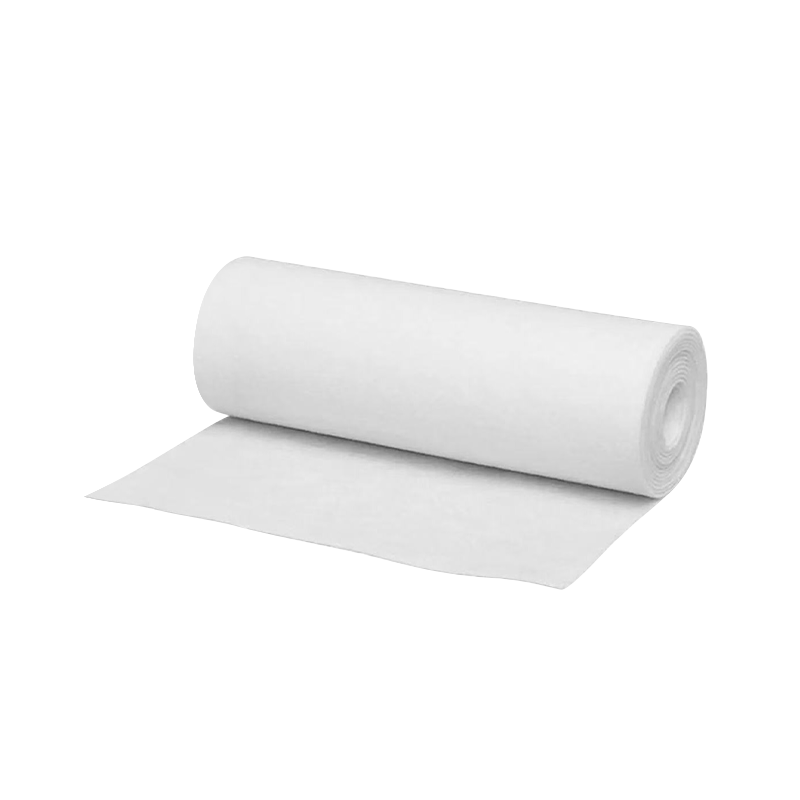
Non woven fabrics are sheet or web structures in which fibers or filaments are bonded by mechanical, thermal, or chemical means. The fibers may be short staple fibers or continuous filaments, most commonly made from polyester, polypropylene, or nylon. Because no yarn spinning, weaving, or knitting step is involved, non woven production can be completed in fewer process steps. This lowers production cost and allows the fabric to be engineered for high puncture resistance, controlled permeability, or even a self-adhesive backing.
The main difference from woven fabric lies in the structure. A woven material depends on the interlacing of warp and weft threads. A non woven material instead relies on the fiber network itself to deliver strength and cohesion. This is why a non woven geotextile can maintain water flow while still holding soil particles in place, and why a renovation felt can protect a floor without being stitched together.
How Non Woven Fabrics Are Made
Different manufacturing processes create different fiber orientations and bonding density. A quick overview of the common methods helps when evaluating product specifications.
- Staple nonwovens: fibers are carded into a web, then needle-punched or thermally bonded. Needle-punching is especially common for geotextiles and protection felts that need high strength and thickness.
- Spunbond: continuous filaments are laid down and bonded thermally. This produces strong, lightweight fabrics used in bags, packaging, and hygiene products.
- Meltblown: molten polymer is blown into very fine fibers. This process is used for filtration media and applications requiring fine particle capture.
- Spunlace: high-pressure water jets entangle the fibers, creating a soft and absorbent fabric often used in medical and hygiene products.
Bonding methods can also be combined with coatings, lamination, or adhesive backings to add waterproofing, slip resistance, or residue-free removal.
Key Performance Properties to Evaluate
Before selecting a product, the most important parameters to confirm are gram per square meter (gsm), tensile strength, elongation, puncture resistance, and water permeability. A lower gsm gives flexibility and economy for temporary tasks. A higher gsm adds mechanical strength for heavy loads and repeated traffic. A self-adhesive backing solves slippage issues, while a PE lamination prevents liquid penetration. The table below summarizes how common specifications align with typical applications.
| Specification | Typical Performance | Common Applications |
|---|---|---|
| 100-180 gsm | Flexible, soft, light to medium strength | Temporary floor protection, dust control, packaging |
| 200-240 gsm | High tensile strength, good puncture resistance | Road curing, concrete curing, drainage geotextiles |
| 300+ gsm | Very high strength, excellent durability | Subgrade stabilization, slope protection, heavy construction |
| Self-adhesive backing | Prevents slippage, convenient to install | Renovation floor protection, paint mats |
| PE lamination | Waterproof, spill-proof, low residue after removal | Floor protection from liquids, paint overspray |
Main Types of Non Woven Fabrics
Each manufacturing route produces a different set of mechanical and surface properties. Understanding these types helps identify what you are actually buying.
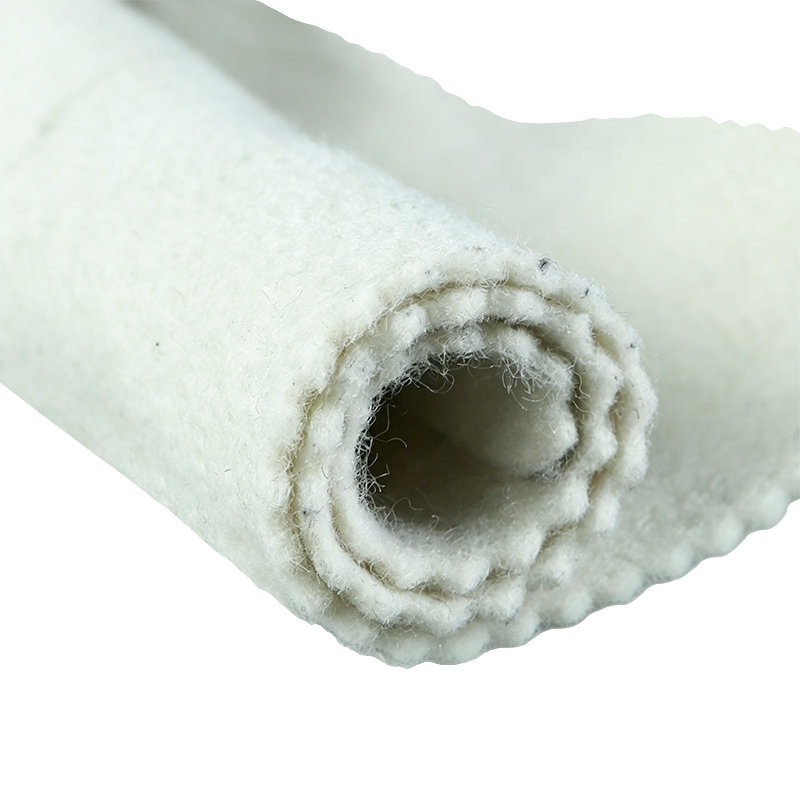
- Needle-punched non woven fabric is the most common type used in engineering applications. Its dense fiber structure provides high tensile strength, good water flow, and strong resistance to puncture and abrasion. It is widely used for road construction, subgrade drainage, and protective felts.
- Spunbond non woven fabric is lightweight yet strong, commonly seen in shopping bags and medical protective wear. It is not always ideal when high puncture resistance is required.
- Meltblown non woven fabric is characterized by very fine fibers and excellent filtration ability. It is typically used in face masks, oil absorbents, and liquid filtering systems.
- Spunlace non woven fabric is soft and absorbent, making it suitable for wet wipes, medical gauze, and cosmetic applications where flexibility matters more than strength.
Practical Applications Across Industries
Road and Concrete Curing
Highway maintenance crews use non woven geotextiles to distribute moisture evenly and prevent reflective cracking during concrete curing. A heavier grade, such as the 240gsm polyester non-woven geotextile, is a common choice when the road surface needs to carry traffic soon after the curing period.
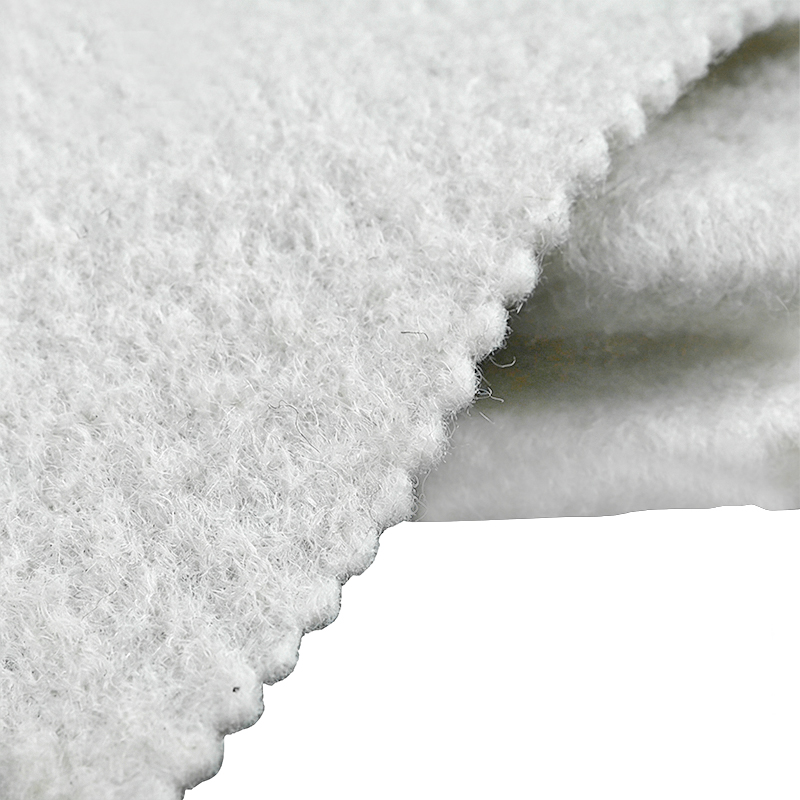 240gsm Polyester Non Woven Geotextile for Highway CuringThis industrial-grade geotextile retains moisture during concrete curing, reducing surface cracks and enhancing structural integrity. Its needle-punched fiber structure offers high strength and thermal insulation, making it ideal for highway and bridge deck applications.View Product →
Subgrade and Slope Stabilization
Needle-punched non woven geotextiles are placed between the subgrade soil and the aggregate layer to separate, filter, and reinforce. Their high permeability allows water to drain away while retaining fine particles, which protects the base course and extends the service life of the pavement.
Floor and Surface Protection
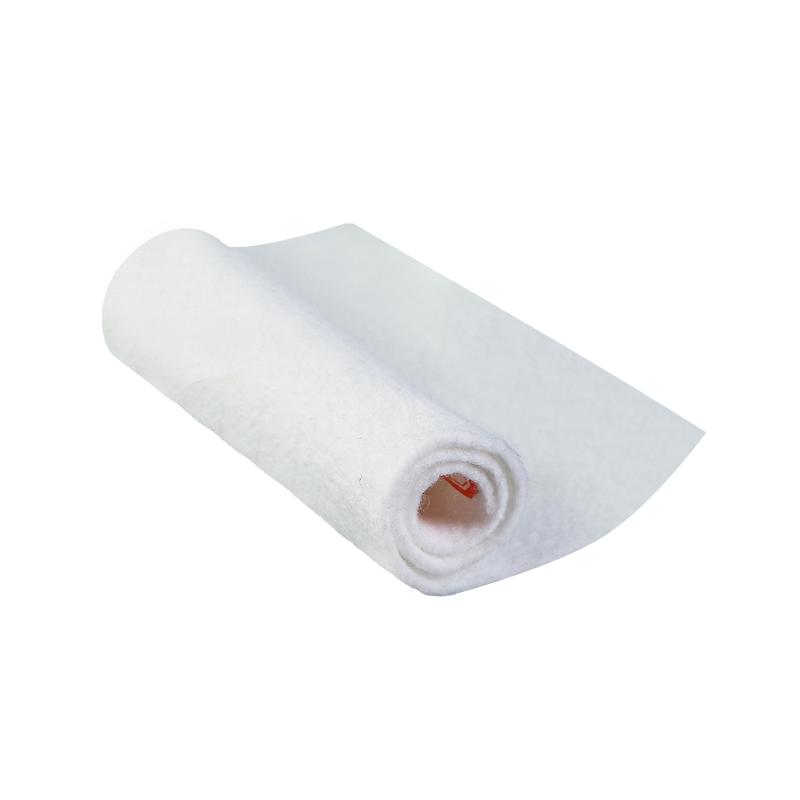
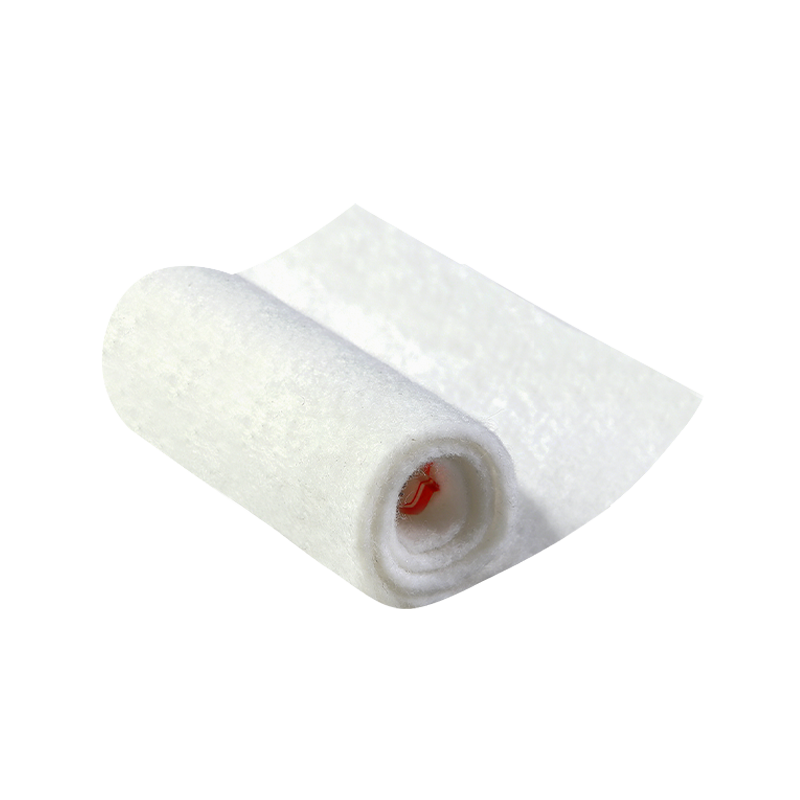
During renovation, a heavy-duty self-adhesive felt paint pad can protect a floor from scratches, impact, and paint drips without leaving residue after removal. For painting tasks involving moisture, a PE-laminated version adds a liquid barrier that keeps paint and water off the subfloor.
 Heavy Duty Self Adhesive Felt Paint Pad for Floor ProtectionThis protective pad prevents paint, moisture, and debris from damaging floors during renovation. Its self-adhesive backing ensures stability, and the nonwoven fabric absorbs liquids, safeguarding hardwood, tile, and marble surfaces.View Product →
Greenhouse Insulation and Dust Control
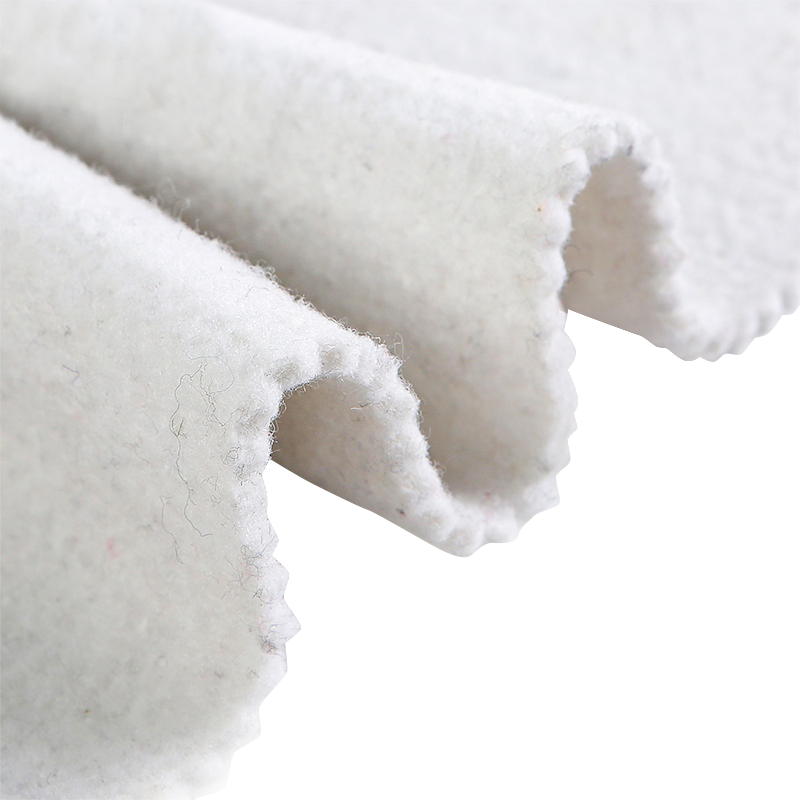
Agricultural operations use non woven insulation fleeces to protect seedlings and crops from frost. A heavy-duty non-woven insulation fleece helps maintain stable soil and air temperature in the greenhouse during cold weather. Dust control applications also use white non woven fabric to keep slopes moist and suppress airborne particles.
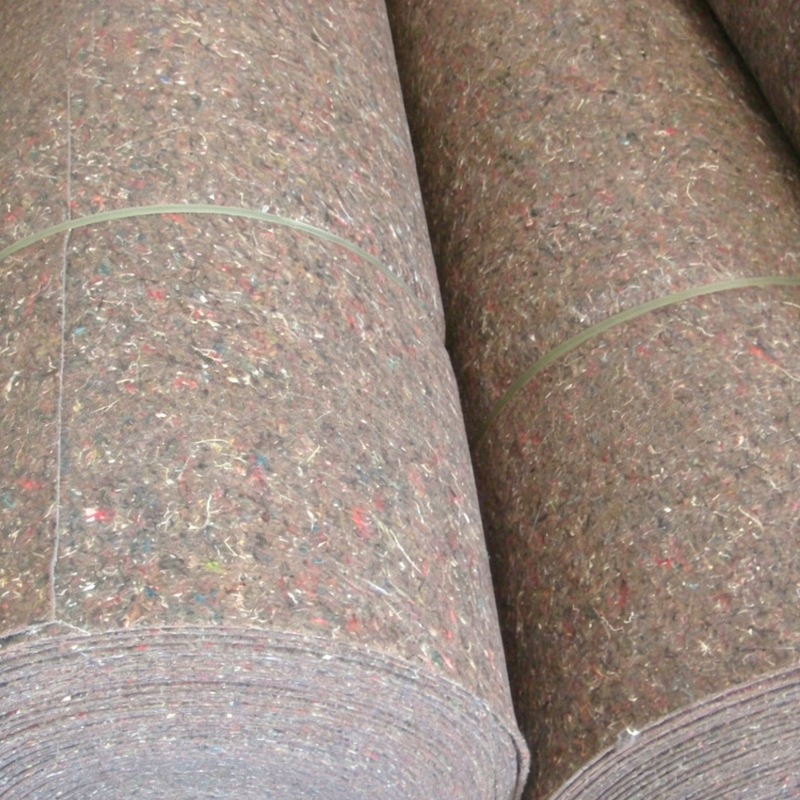 Heavy Duty Non Woven Insulation Fleece for Agricultural Cold ProtectionThis lightweight fleece provides thermal insulation and frost protection for crops. Its needle-punched polyester structure allows breathability and moisture regulation, helping maintain stable temperatures and reduce condensation in agricultural settings.View Product →
How to Choose the Right Non Woven Fabric
Start with the end-use environment, then match the fabric specification to it. A few practical buying rules help avoid common mistakes.
- For temporary floor protection and dust control, select 120-180 gsm.
- For road curing, concrete curing, and drainage geotextiles, choose about 240 gsm.
- For subgrade separation, filtration, and slope protection, select 300 gsm or above.
- If the finished surface is easily scratched, choose a self-adhesive felt pad.
- If moisture or paint spills are a concern, choose a PE-coated or PE-laminated version.
Always confirm the production method and quality control before ordering. In many cases, a ready-to-ship product can shorten your procurement cycle and reduce the risk of project delays.
Quality and Delivery Considerations
A reliable manufacturer should provide stable quality and clear specifications. At Hui Le Nonwovens, the factory uses automated production lines, professional testing equipment, and an in-house quality control team. This supports consistent tensile strength, accurate gsm, and clean edge formation. For projects with fast schedules, check whether the selected item is in stock so that no extra lead time is added.
When comparing suppliers, ask for physical samples first. Verify the gsm, the surface feel, and whether the fabric tears or punctures easily under your expected working load. These simple checks can prevent costly rework on site.
By focusing on the end-use environment first, then matching the gsm, structure, and surface treatment, you can avoid the two most common purchasing errors: choosing a fabric that is too weak for the load, or selecting a coated product when a simpler breathable web would work better. If you are still comparing options, speak directly with the factory to confirm samples and current specifications. You can contact the manufacturer for detailed guidance based on your project.
Contact Us
Your email address will not be published. Required field are marked*
Categories
- Company News(3)
- Industry News(15)

Contact Us
1337540116@qq.com