en
 Français
 Español

Concrete Curing Geotextile Benefits: Why Nonwoven Fabrics Beat Traditional Methods
2026-10-01A newly placed concrete slab can look perfectly smooth and still fail months later if the curing stage was rushed. The first 7 to 14 days decide whether the surface stays dense and crack-free or turns into a maintenance headache. A concrete curing geotextile is one of the most reliable tools for protecting that critical window: it holds moisture against the slab, smooths out temperature swings, and reduces the amount of manual rewetting crews have to do. Contractors who move from burlap or plastic sheeting usually notice the difference in surface quality and labor hours almost immediately.
This guide covers the concrete curing geotextile benefits that matter on site, how fabric compares with traditional curing methods, and what to check before you buy.
Why Curing Quality Decides Concrete Performance
Curing quality is set in the first week, and most long-term surface problems start with moisture loss during that window. Concrete gains strength through hydration, a chemical reaction between cement and water that forms the calcium-silicate-hydrate gel binding the aggregate together. If water evaporates from the surface faster than it can react, hydration stops at the surface layer. That is why a slab can look sound at the top and still have a soft, dusty surface that spalls under traffic or freeze-thaw cycles.
The practical consequences of premature drying are measurable:
- Plastic shrinkage cracks appear within the first few hours if the surface loses water before final set, creating a network of fine cracks that later widen.
- Surface dusting and low wear resistance develop when cement paste never fully hydrates, leaving loose powder and weak abrasion performance.
- Compressive strength losses can reach 30 to 40 percent on poorly cured sections compared with the same mix cured under wet cover for 7 days.
- Reduced durability exposes the slab to scaling, chemical attack, and freeze-thaw damage much earlier in its service life.
Industry guidance such as ACI 308 recommends keeping concrete continuously moist for at least the first 7 days for most structural mixes, and longer when early strength or severe exposure is a factor. The challenge on a busy site is not knowing the rule; it is keeping the concrete wet around the clock. A nonwoven curing fabric makes that task practical.
Key Benefits of Concrete Curing Geotextiles
Nonwoven geotextiles earn their place on site through five advantages that directly affect curing uniformity, labor effort, and final slab quality.
Superior moisture retention
The needle-punched structure of a polyester or polypropylene geotextile is full of tiny voids that act like a sponge. A saturated fabric can hold several times its own weight in water and release it slowly, so the concrete surface stays damp between rewettings.
Temperature moderation
The fabric layer insulates the slab surface and reduces the temperature gap between exposed edges and the slab center. This lowers the risk of thermal shock on hot afternoons and cool nights, which is especially important for large floor slabs and bridge decks.
Uniform surface contact
Unlike plastic sheeting, which tents and wrinkles, a geotextile conforms to edges, corners, and irregular formwork. Every square meter of concrete stays covered, which means no hidden dry patches under trapped air pockets.
Lower labor demand
Rolls can be pulled out quickly, overlapped, and wetted down without special equipment. In hot weather, a fabric cover typically needs rewetting only once or twice a day, compared with four to six times for burlap.
Cleaner surfaces
Clean fabric keeps dirt, leaves, and construction debris off the fresh slab and is far less likely than burlap to leave discoloration or loose fibers embedded in the concrete surface.
Reusability
Well-maintained curing geotextiles can be lifted, dried, and used again on the next pour, spreading the material cost across several jobs instead of a single placement.
On continuous highway pours, where crews cannot easily stop to rewet fabric every few hours, a heavier fabric holds more water in reserve. A 240 gsm polyester nonwoven geotextile is a common specification for this duty because it combines high moisture capacity with quick rollout and good abrasion resistance during placement.
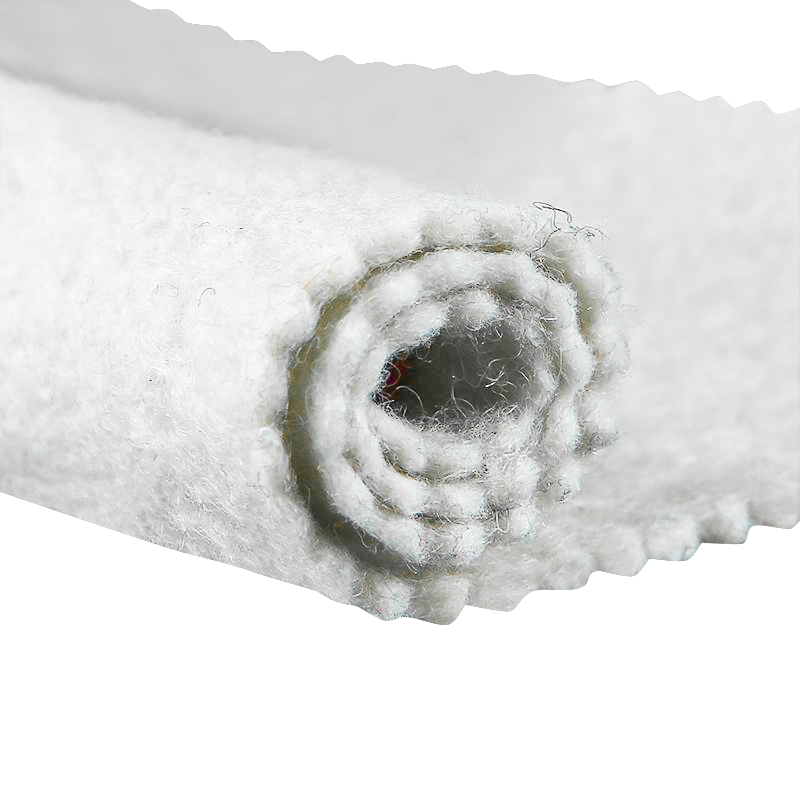
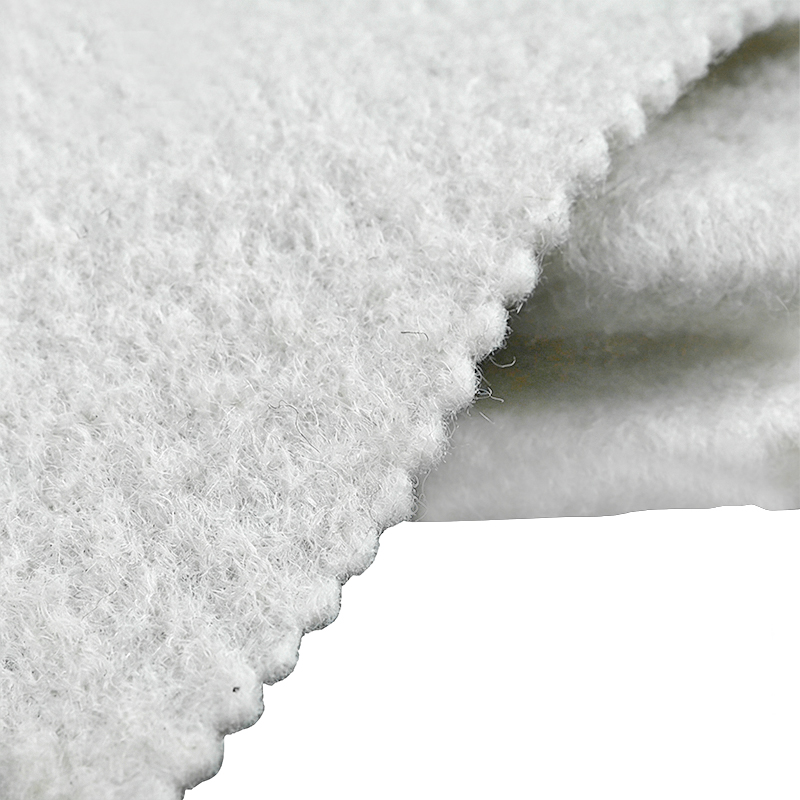 240 gsm Polyester Nonwoven Geotextile for Highway Concrete CuringThis heavier 240 gsm polyester nonwoven fabric stores more water for continuous highway pours, reducing the need for frequent rewetting while resisting abrasion during placement. It helps maintain uniform moisture and minimizes surface cracking on large exposed slabs.View Product →
Geotextile vs. Burlap, Plastic Sheeting, and Curing Compounds
Every curing cover has trade-offs, but the field comparison below explains why nonwoven fabric keeps winning on large and exposed pours.
| Factor | Nonwoven geotextile | Burlap | Plastic sheeting |
|---|---|---|---|
| Water holding | High, sponge-like | Moderate | None, condensation only |
| Rewetting frequency | 1 to 2 times per day | 4 to 6 times per day | Not required |
| Temperature insulation | Good | Moderate | Poor |
| Surface contact | Excellent | Good | Variable, wrinkles easily |
| Installation labor | Low | High | Moderate |
| Reusability | Usually yes | Limited | Rarely |
| Staining risk | Low | Moderate | Low |
Curing compounds are another option, but they require controlled application rates and leave no thermal insulation. If the sprayed film is damaged or applied unevenly, moisture loss continues through the gaps.
For exposed outdoor slabs, a fabric cover is generally the more forgiving choice, because moisture protection is continuous instead of depending on a single sprayed membrane.
Contractors who need a dependable supply of curing fabric across multiple job phases can review the road and concrete curing geotextiles offered in our product range before planning the next pour.
Selecting and Installing a Curing Geotextile
Two decisions shape the outcome: which fabric you order and how it goes down. Both are easier to get right when you match the material to the exposure.
Choose the right weight and fiber type
Fabric weight directly controls moisture capacity. For indoor floor slabs and short-duration curing, 120 to 160 gsm fabrics are usually enough. For exposed slabs, highway pavements, and hot or windy conditions, 180 to 240 gsm is the safer range because the thicker fabric holds more water and provides more insulation.
Fiber type matters too. Polyester short filament nonwoven geotextile is a common first choice for concrete curing because polyester resists UV degradation better than polypropylene on long jobs, handles heat without losing strength, and keeps a stable dimension when saturated. Needle-punched construction gives the fabric vertical porosity, so water is absorbed through the full thickness instead of running off the surface.
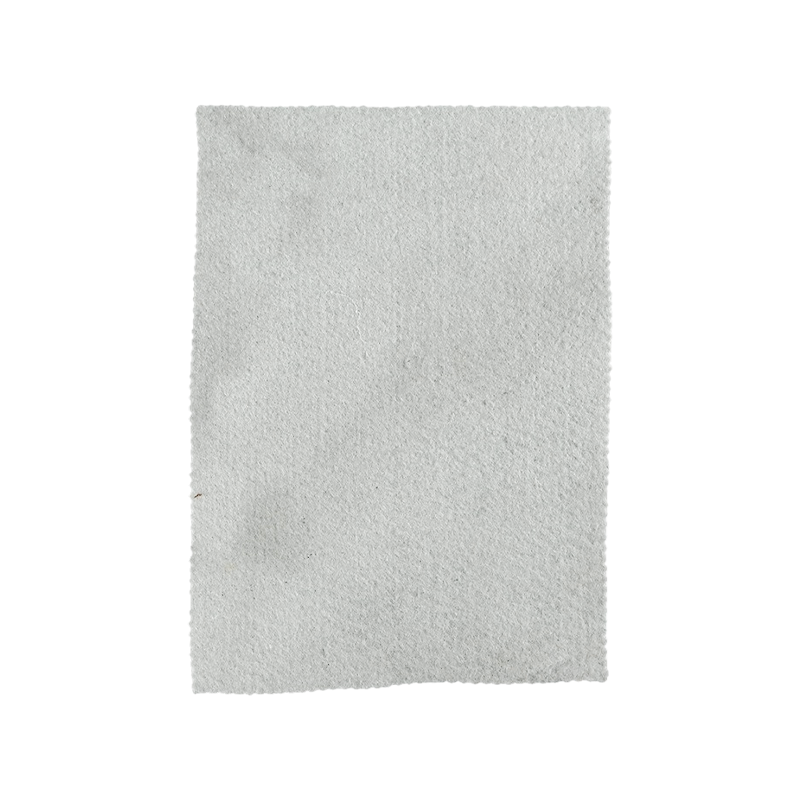
 Polyester Short Filament Nonwoven Geotextile for Concrete CuringNeedle-punched polyester short filament construction provides vertical porosity and stable dimensional behavior during saturation. Its UV and heat resistance make it a durable choice for long concrete curing jobs, supporting consistent hydration and reduced shrinkage cracking.View Product →
Apply the fabric with consistent moisture
Correct installation is as important as the fabric itself. Follow this sequence on your next pour:
- Wet the concrete surface thoroughly after finishing and before the fabric goes down.
- Lay the fabric wet, starting from the lowest edge so water can spread naturally.
- Overlap adjacent rolls by 100 to 150 mm and pin or weigh down the edges.
- Keep the fabric covered continuously; do not pull sections up for inspection.
- Rewet on a fixed schedule and check the edges first, because edges dry fastest.
For hot-weather asphalt work, the same principle applies but with a more permeable fabric that can be rewetted through the surface layer without disturbing the mat. A ready-to-ship permeable polyester geotextile is useful when the schedule is tight and the supplier needs to deliver quickly.
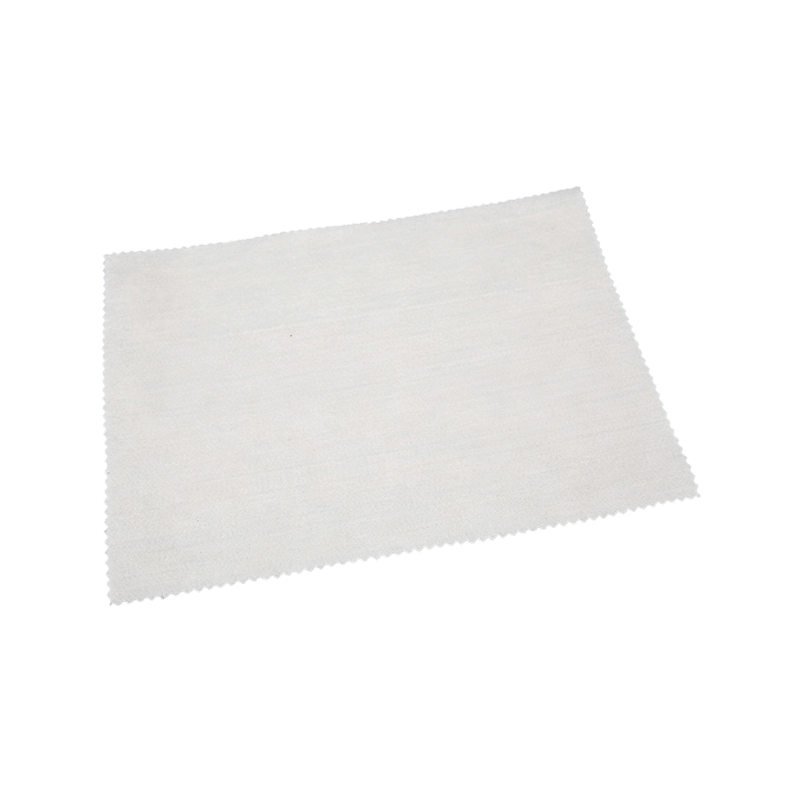
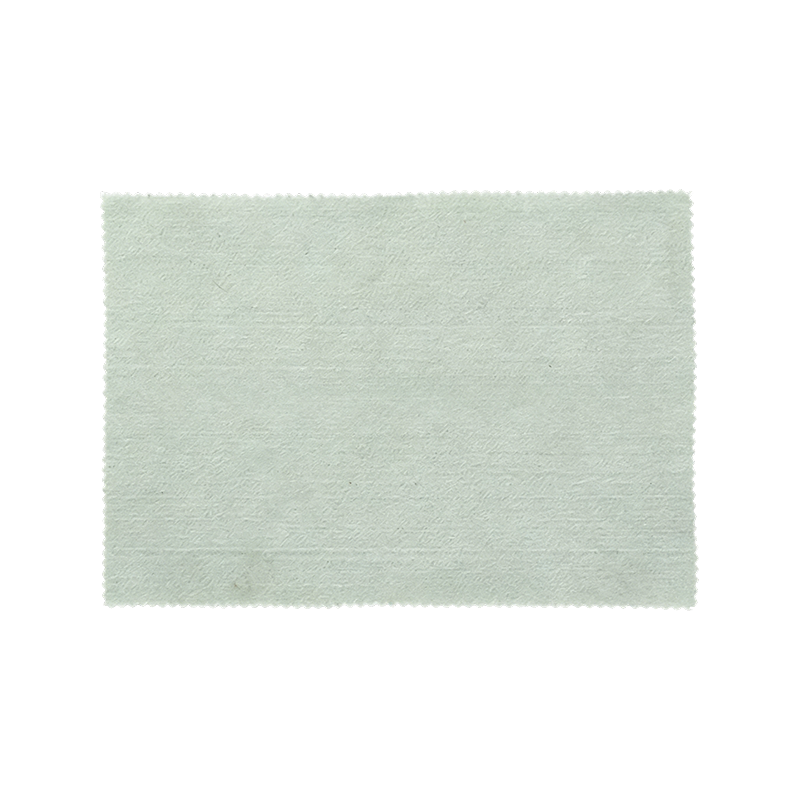
 Ready-to-Ship Permeable Polyester Geotextile for Asphalt CuringThis permeable polyester geotextile is available for immediate shipment, helping crews stay on schedule. Its uniform pore structure allows rewetting through the surface layer and provides stress buffering to reduce thermal shrinkage cracks during asphalt cooling and curing.View Product →
Factor in procurement and site logistics
Roll width, available inventory, and lead time all affect the installation crew. Matching the fabric width to the slab width reduces cutting waste, while confirmed stock avoids idle crews waiting for delivery. For a performance specification, ask the supplier for tensile strength, elongation, mass per unit area, and confirmed permeability figures before ordering. If you are unsure which specification suits your climate and pour schedule, contact our team for guidance.
Frequently Asked Questions About Curing Geotextiles
Q1: What weight of geotextile should I choose for concrete curing?
Consider the exposure. Sheltered indoor pours with mild conditions can work with 120 to 160 gsm fabric. Exposed slabs, highway pavements, and hot or windy sites should use 180 to 240 gsm so the fabric holds enough water to keep the surface saturated between rewetting rounds.
Q2: How long should a curing geotextile stay on the concrete?
For most conventional concrete mixes, keep the slab continuously wet under the cover for at least 7 days, following ACI 308 recommendations. In dry, windy, or hot weather, extend the period or use a heavier fabric. Do not remove the cover suddenly on a hot day, because the surface can suffer thermal shock; wet the area again before partial removal.
Q3: Can curing geotextile fabric be reused?
Yes, with care. Lift the fabric, allow it to dry, inspect for tears or contamination, and store it off the ground. Fabrics that stay clean and avoid oil spills can typically be reused two or more times, which lowers the material cost per square meter on multi-phase projects.
Q4: Will the fabric leave marks on the concrete surface?
In normal use, no. A fine surface texture from the fabric may be visible, but this is a curing pattern rather than a stain. Burlap is the material more associated with discoloration. The higher risk is letting the fabric dry out after placement, because uneven moisture at that point can produce patchy curing and surface color differences.
Q5: Is a geotextile suitable for asphalt road curing as well?
Yes. Permeable polyester geotextiles are used to damp-cure and protect fresh asphalt surfaces, and they also serve as subgrade drainage layers under road structures. Choose a permeable grade when rewetting through the fabric is part of the process.
Contact Us
Your email address will not be published. Required field are marked*
Categories
- Company News(3)
- Industry News(15)

Contact Us
1337540116@qq.com