en
en Français
 Español
How Agricultural Cloth Protects Crops, Greenhouses, and Soil from Frost and Dust
2026-08-25A sudden overnight frost can turn a healthy tray of seedlings into a limp row by morning. Dust settling on leaves slows photosynthesis, while dry wind pulls moisture out of the soil before young roots can catch up. Agricultural cloth is a practical way to manage all three threats with one breathable layer of non-woven fabric. Instead of relying on chemicals or constant watering, growers can place a lightweight cover between the crop and the weather.
What Is Agricultural Cloth?
Agricultural cloth is a permeable non-woven fabric used for row covers, greenhouse insulation, dust control, and soil moisture retention. It is typically made from needle-punched polyester or polypropylene fibers that are pressed into a coherent sheet. Unlike plastic film, this material lets air and water move through while forming a physical barrier against cold wind, dust, and harsh sunlight. The result is a more stable microclimate around the plant without the condensation problems of plastic.
The material is available in different weights, densities, and colors. Lightweight versions work as floating row covers directly on vegetables, while heavier fleece and felt are better suited to greenhouse insulation. Because the performance changes with weight and fiber structure, it is worth understanding those differences before buying agricultural cloth for an entire season.
Frost Protection with Non-Woven Insulation Fleece
Frost damage happens when ice crystals form inside plant tissue and puncture cell walls. A non-woven fleece reduces that risk by trapping a thin layer of warm air between the fabric and the crop. This insulating layer slows heat loss from the soil and keeps leaves closer to the surrounding temperature during a light frost. The protection is not as powerful as a heated greenhouse, but it is often enough to make the difference between a healthy stand and a lost batch of transplants.
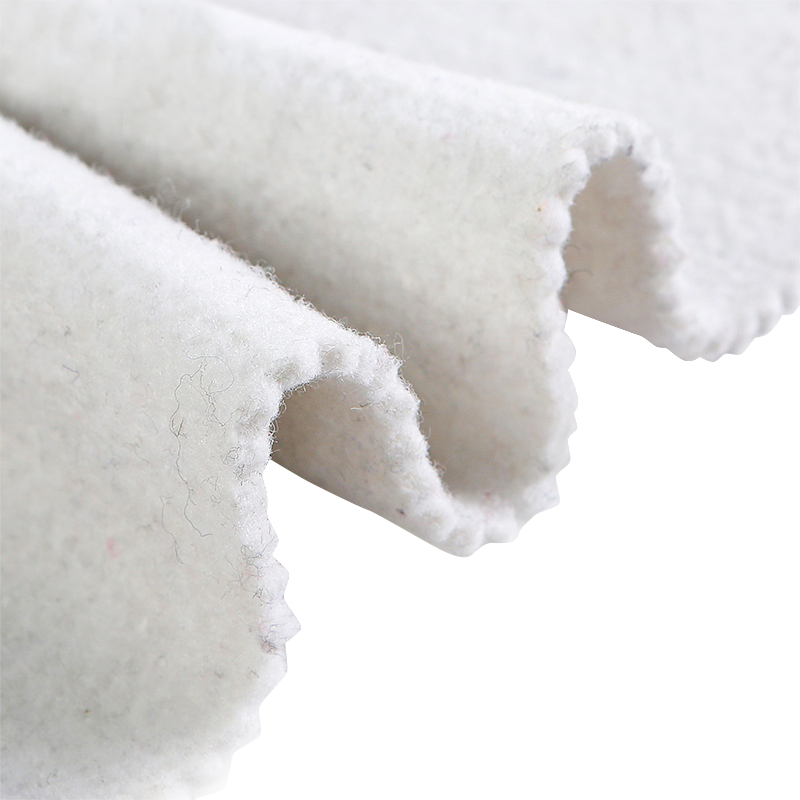
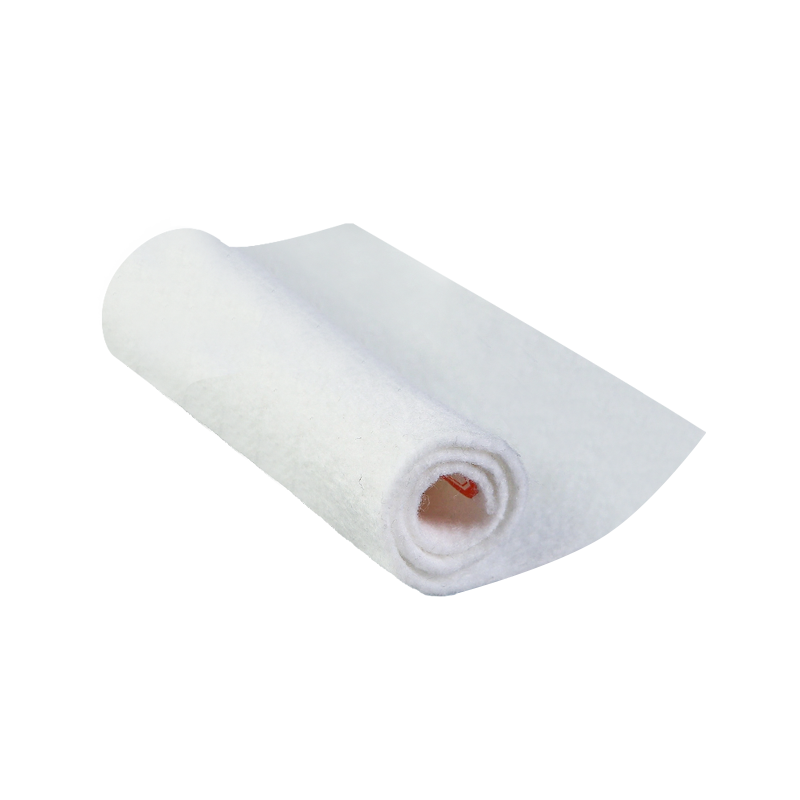
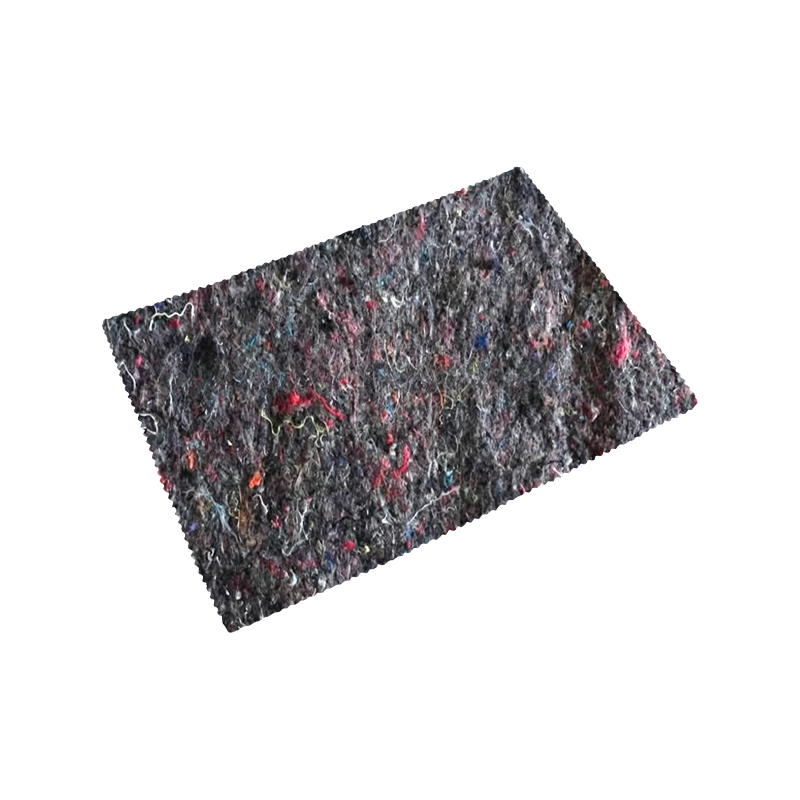
For growers covering vegetables, flower beds, or young orchard trees, a heavy-duty non-woven insulation fleece for agricultural cold protection is a dependable option. Its dense fiber structure blocks convective heat loss while still allowing moisture vapor to escape. That is an important detail: when moisture is trapped under plastic film, it can freeze on the leaf surface and make frost injury worse. Fleece avoids that problem by staying breathable.
 Wholesale Heavy Duty Non Woven Insulation Fleece for Agricultural Cold ProtectioChangshu Hui Le Nonwovens Products Co., Ltd is China Heavy Duty Non Woven Insulation Fleece for Agricultural Cold Protection supplier and...View Product →
Installation is straightforward. Lay the fleece over wire hoops or directly on the crop, then anchor the edges with soil, sandbags, or U-shaped pins. Leaving a little slack gives the plants room to push upward as they grow. On sunny days, check the temperature beneath the cloth and remove it if the crop is overheating.
Dust Control and Soil Moisture Retention
Dry wind carries dust that settles on leaves and blocks stomata, the tiny openings plants use for gas exchange. When stomata are blocked, photosynthesis slows and growth stalls. A white non-woven fabric helps by keeping dusty air away from the canopy. When the same fabric is laid on bare soil or slopes, it suppresses wind-blown particles and slows evaporation from the topsoil.
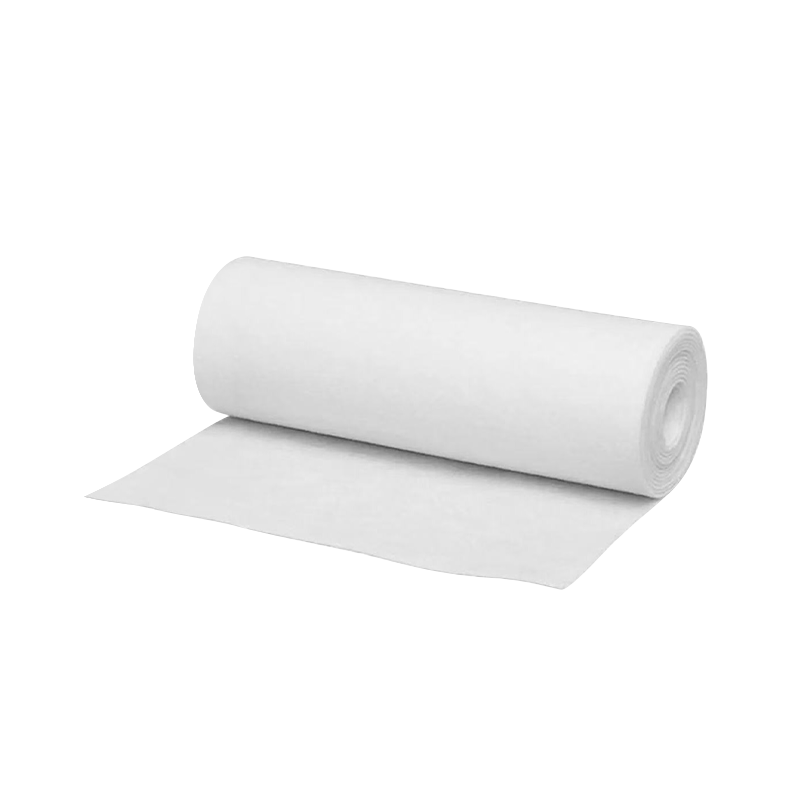
The white non-woven fabric for dust control and slope moisture is especially useful on exposed vegetable beds, young tree plantings, and erosion-prone slopes. Rainwater can still enter the soil, but the surface remains shaded and calm. Seedlings planted through slits in the fabric suffer less transplant shock because the roots are not exposed to rapid drying. Newly sown grass and wildflower mixes also benefit because the fabric keeps seeds from washing away during heavy rain.
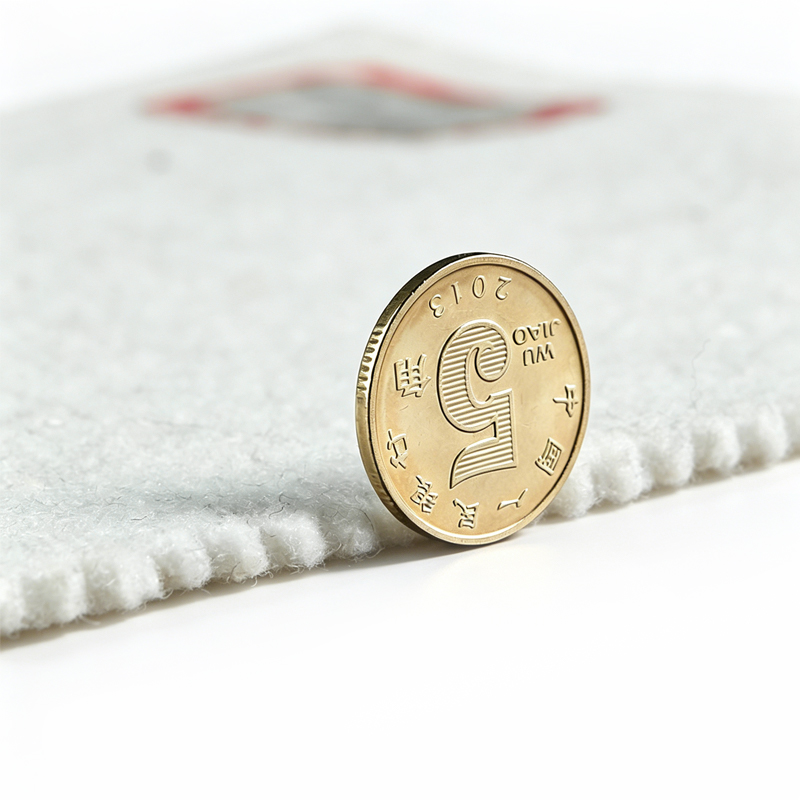 Wholesale White Non Woven Fabric for Dust Control and Slope Moisture Retention SChangshu Hui Le Nonwovens Products Co., Ltd is China White Non Woven Fabric for Dust Control and Slope Moisture Retention supplier and co...View Product →
Another advantage is cleaner produce. When melons, squash, or leafy vegetables rest directly on soil, mud and rain splash can contaminate the crop. A cloth barrier between the fruit and the ground keeps the produce cleaner and reduces the amount of washing needed after harvest. This makes the fabric useful not only in large fields but also in market gardens where visual quality directly affects price.
Greenhouse Insulation with Recycled Felt
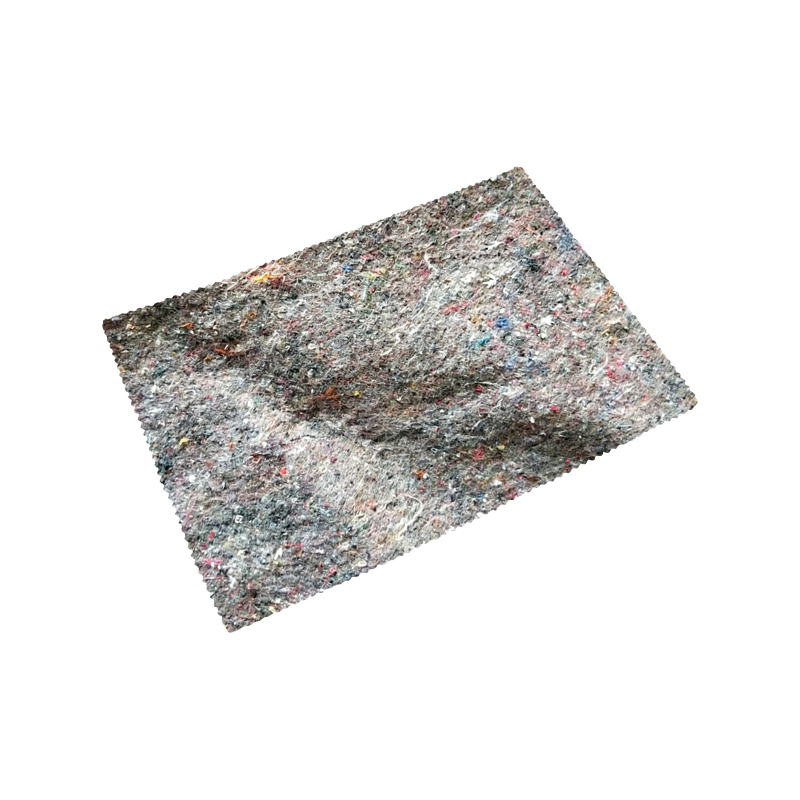
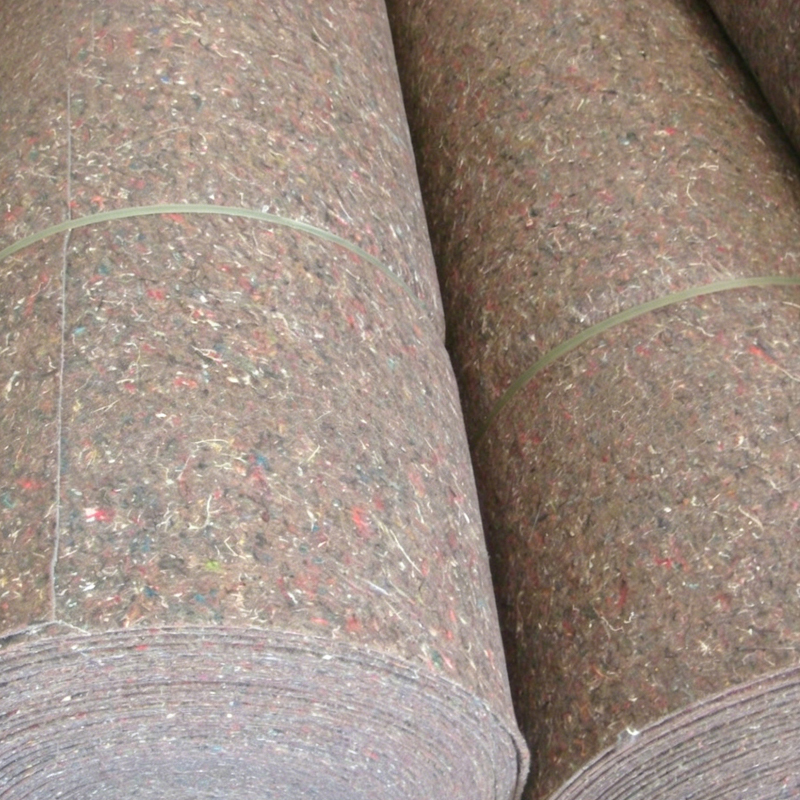
Greenhouses retain heat better than open fields, but a single cold night can still chill the root zone and slow growth for several days. Adding a thick felt curtain is one of the most energy-efficient ways to raise the minimum night temperature inside a poly tunnel or glasshouse. The recycled mixed-color insulation felt creates countless tiny air pockets that resist heat flow and keep valuable warmth near the plants.
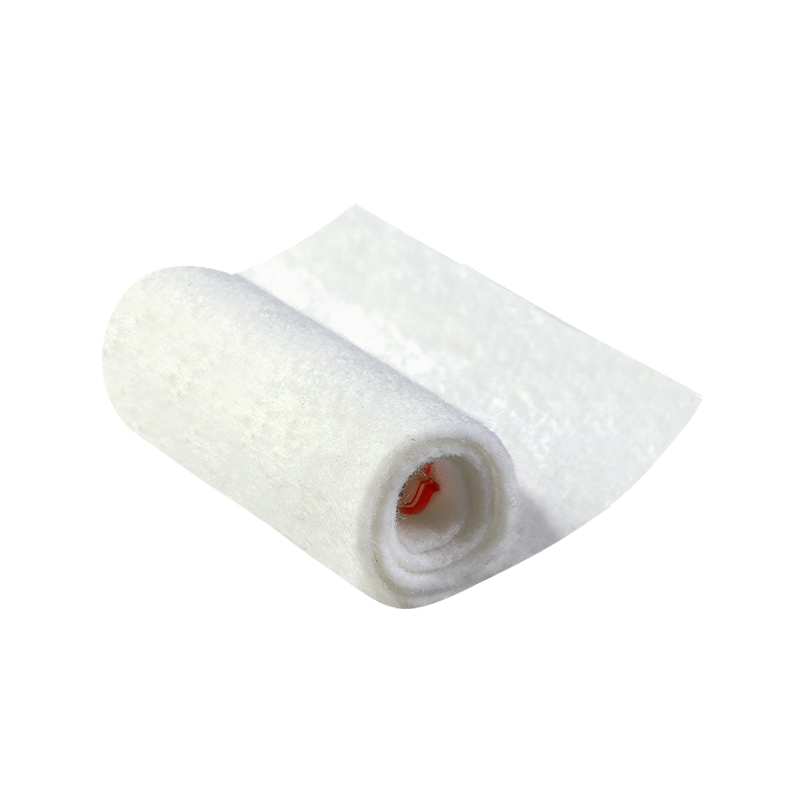
A recycled mixed-color insulation felt for greenhouse frost protection can be hung from the greenhouse frame, draped over young plants, or installed as a side-wall curtain. Because it is durable, it can be moved between greenhouse sections as the season changes. The mixed-color appearance comes from recycled fiber content, not from poor quality, and it makes the felt an economical option for large growing areas.
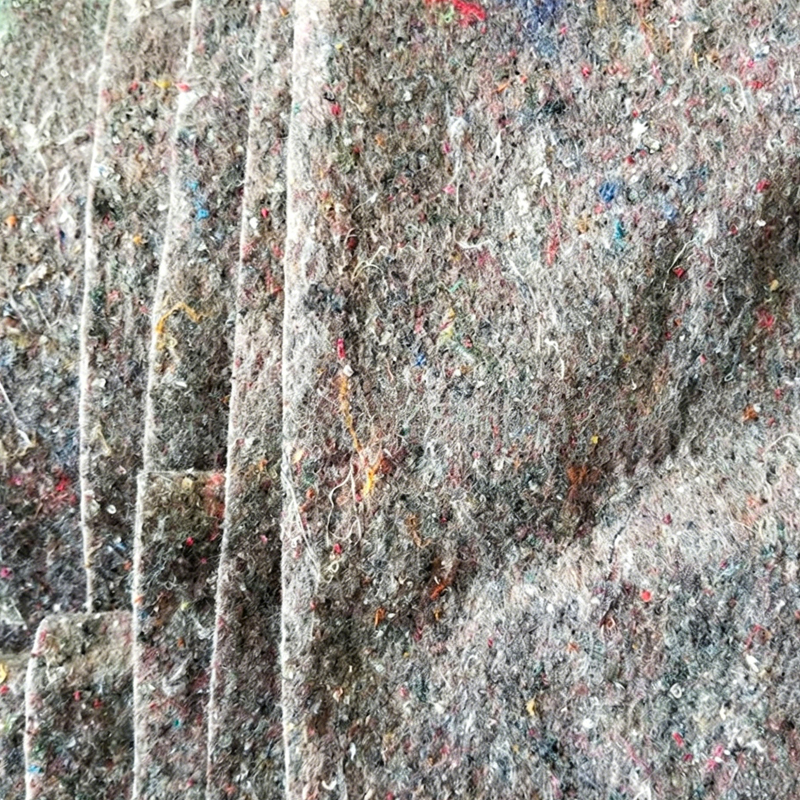 Wholesale Recycled Mixed Color Insulation Felt for Greenhouse Frost Protection SChangshu Hui Le Nonwovens Products Co., Ltd is China Recycled Mixed Color Insulation Felt for Greenhouse Frost Protection supplier and co...View Product →
Using a felt curtain at night stabilizes the temperature around the seedling trays and reduces transplant shock. Plants continue growing through cold spells instead of pausing until the weather warms. During the day, the felt can be folded away so that light and ventilation are not permanently reduced.
How to Choose the Right Agricultural Cloth
Weight, permeability, and durability are the three specifications that matter most. Weight is expressed in grams per square meter, usually written as gsm.
Lightweight cloth in the 30-70 gsm range works well for insect barriers and light frost protection. It allows plenty of air movement and does not risk overheating the crop. Medium-weight cloth around 80-120 gsm resists tearing and provides moderate insulation, making it a good all-rounder for both spring and fall. Heavy cloth above 150 gsm is better for greenhouse curtains and severe cold protection, where airflow is reduced in exchange for heat retention.
Permeability controls how easily air and water pass through the sheet. A highly breathable fabric is ideal for summer dust covers because it does not trap heat. A denser felt is better for winter insulation because it holds a stable layer of warm air. When comparing materials, ask the supplier for the permeability rating rather than guessing from the visual texture.
Durability matters just as much. UV exposure and wind can break down fibers quickly, so look for UV-stabilized material if you plan to reuse the cloth. Firm needle punching prevents edges from pulling apart under tension. Inspect the fabric for consistent thickness across the roll; thin spots fail earlier and create weak points in cold weather.
A simple comparison can help narrow the options:
| Cloth type | Typical weight | Best use | Key consideration |
|---|---|---|---|
| Floating row cover | 30-70 gsm | Light frost and insect protection | Must contact the crop or rest on hoops |
| Insulation fleece | 80-150 gsm | Freestanding frost protection | Cover with minimal air gaps for best results |
| Greenhouse insulation felt | 150-300 gsm | Thermal curtain or secondary cover | Reduce light, so install on walls at night |
| Dust control cover | 50-100 gsm | Soil coverage on slopes and open beds | Must allow water infiltration after rain |
Installation and Maintenance Tips
- Anchor all edges securely with soil, sandbags, or metal pins; loose cloth flaps in the wind and loses its insulating effect.
- Leave some slack when covering rows so seedlings can lift the cloth as they grow.
- Remove the cloth on warm sunny days if the temperature underneath exceeds the crop’s tolerance.
- Check for tears after storms and patch small holes before they spread.
- Dry and store folded cloth in a dark, dry place between seasons to limit UV damage.
Working with a Reliable Non-Woven Manufacturer
Agricultural cloth must be consistent in thickness, fiber distribution, and edge strength. A roll with weak spots cannot be trusted for an entire winter. Buying directly from a manufacturer with controlled production lines gives you more control over weight, width, lamination, and custom cutting. The supplier should be able to explain the gsm, UV resistance, and permeability of each cloth type.
Changshu Hui Le Nonwovens Products Co., Ltd. is a manufacturer based in Zhitang Town, Changshu, a region known for non-woven machinery and textile production. The company makes needle-punched non-wovens, geotextiles, painted protection mats, and greenhouse insulation materials. Its production facility includes development, manufacturing, and quality inspection teams. For growers who need a specific weight or a steady supply across several seasons, working with this type of manufacturer reduces the risk of inconsistent material quality.
When you are ready to compare options, you can review the company’s complete product range or ask for a tailored recommendation through the contact page. A supplier that asks about your climate, irrigation, and crop stage is more likely to provide agricultural cloth that matches the real conditions in your field.
A More Predictable Growing Season
Agricultural cloth is a simple tool with a wide range of benefits. It lowers the risk of frost loss, reduces dust stress on leaves, and keeps soil moisture where it is needed. Each type of cloth plays a specific role: fleece wards off cold, white fabric controls dust and evaporation, and felt thickens the insulation inside a greenhouse.
Choosing the right cloth begins with the problem you are trying to solve. Decide whether the priority is temperature, air quality, or soil moisture, then match the weight and porosity accordingly. With a well-selected cover and basic installation care, a single layer of agricultural cloth can keep crops healthier and make the season more productive.
Contact Us
Your email address will not be published. Required field are marked*
Categories
- Company News(3)
- Industry News(8)

Contact Us
1337540116@qq.com