en
en Français
 Español
Hydrophilic Non Woven Fabric: Properties, Uses, Testing, and Buying Tips
2026-09-03Drop a few drops of water on a standard polypropylene nonwoven, and the liquid will sit on the surface in small beads. Change the fabric surface chemistry with a hydrophilic treatment, and the same water spreads and soaks in within seconds. That simple contrast is the reason hydrophilic non woven fabric has become essential in hygiene products, medical supplies, wipes, and geotechnical drainage. This article explains what it is, how it works, how it should be tested, and what to check before you buy.
What Is Hydrophilic Non Woven Fabric?
Hydrophilic means “water-loving.” A hydrophilic nonwoven is a fibrous sheet made from synthetic or natural fibers that have been modified to attract or transport water. The starting polymer, most often polypropylene or polyester, has naturally low surface energy, so untreated fibers tend to repel water. To change that, manufacturers either blend a hydrophilic additive into the polymer or apply a wetting finish to the finished web.
The term covers a spectrum rather than one single property. Some fabrics wet out quickly but hold only a small amount of liquid; others absorb large volumes yet release it slowly. The right specification depends on the job. In a diaper topsheet, the fabric needs to transfer moisture downward and prevent rewet. In a separation geotextile, it must allow groundwater to pass while blocking soil particles. Both are hydrophilic, but their performance requirements are very different.
A hydrophilic nonwoven is not simply a more absorbent fabric. It is a material with deliberately tuned surface chemistry, designed to manage how water enters, moves through, or stays in the web.
How Is Hydrophilicity Added to Nonwoven Fabric?
Most nonwovens are made from hydrophobic resins, so the water-loving behavior has to be engineered. The most common production routes are listed below.
- Masterbatch addition: a concentrated hydrophilic additive is mixed into polymer pellets before extrusion. The wetting agent becomes part of the filament structure, giving more durable hydrophilicity.
- Topical surface finish: after the web is formed, it is dipped, sprayed, or foam-coated with a water-based wetting solution and then dried. This method is flexible and works on many fabric weights and structures.
- Blending with absorbent fibers: viscose, lyocell, cotton, or other naturally hydrophilic fibers can be blended with synthetic fibers to increase absorbency and improve softness while keeping processability.
The choice of method affects cost, permanence, and feel. Surface finishes are easier to apply but may be less durable. Additive-based treatments are usually more resistant to washing and wetting cycles. For hygiene products, skin compatibility is critical; for industrial geotextiles, the priority is consistent water flow under long-term exposure.
Hydrophilic vs Hydrophobic: What Is the Difference?
Hydrophilic materials have an affinity for water, while hydrophobic materials try to shed it. The practical difference is visible within a second:
- Hydrophilic nonwoven: water spreads across the surface or penetrates into the web. This helps absorbent cores, wet wipes, wound dressings, and drainage fabrics work effectively.
- Hydrophobic nonwoven: water forms droplets and rolls off. This is desirable for protective covers, liquid-barrier layers, packaging, and many outer layers in hygiene products.
Contact angle is a useful way to understand the boundary. When a water droplet sits on hydrophobic fabric, it forms a spherical bead with a high contact angle. On a hydrophilic surface, the same droplet flattens or disappears as the water is pulled into the structure. Many multi-layer products combine both behaviors, with a hydrophobic outer layer keeping liquid inside and a hydrophilic inner layer drawing it away from the skin.
Key Properties That Determine Performance
Not all hydrophilic nonwovens behave the same way. When you evaluate or specify a material, focus on these characteristics.
- Wetting time — how quickly a water droplet disappears into the fabric.
- Absorbency capacity — the weight of liquid the fabric can hold per gram of material.
- Strike-through time — how fast a fixed volume of liquid passes through the web, important for diaper cores and filters.
- Wicking behavior — whether water moves horizontally or vertically through the structure and how far.
- Wet strength — whether the fabric keeps its tensile strength when saturated, an often-overlooked requirement.
Air permeability and softness also matter, especially in hygiene and medical applications. The balance between absorbency and comfort is controlled by fiber fineness, web density, and the type of finish used.
Common Uses of Hydrophilic Non Woven Fabric
Because moisture management is needed in many environments, hydrophilic nonwovens appear in consumer and industrial products. Typical areas include:
Hygiene Products
In diapers, feminine pads, and incontinence products, the topsheet must wet out quickly, allow fluid to pass into the absorbent core, and then stay dry on the skin. A low-rewet hydrophilic layer reduces irritation and leaks.
Medical and Personal Care
Wound dressings use hydrophilic contact layers to absorb exudate without adhering to the wound bed. Surgical gowns and drapes may be hydrophobic on the outside and hydrophilic on the inside to manage moisture vapor and perspiration. Wet wipes and cosmetic pads also rely on even liquid release.
Civil Engineering and Geotextiles
Hydrophilic nonwoven geotextiles are installed beneath roads, in drainage trenches, and behind retaining walls. They allow water to pass through quickly while keeping soil particles from migrating into aggregate layers. For a road subgrade, a high-permeability white non-woven geotextile for road drainage provides an open yet stable structure that keeps water flowing effectively over a long service life.
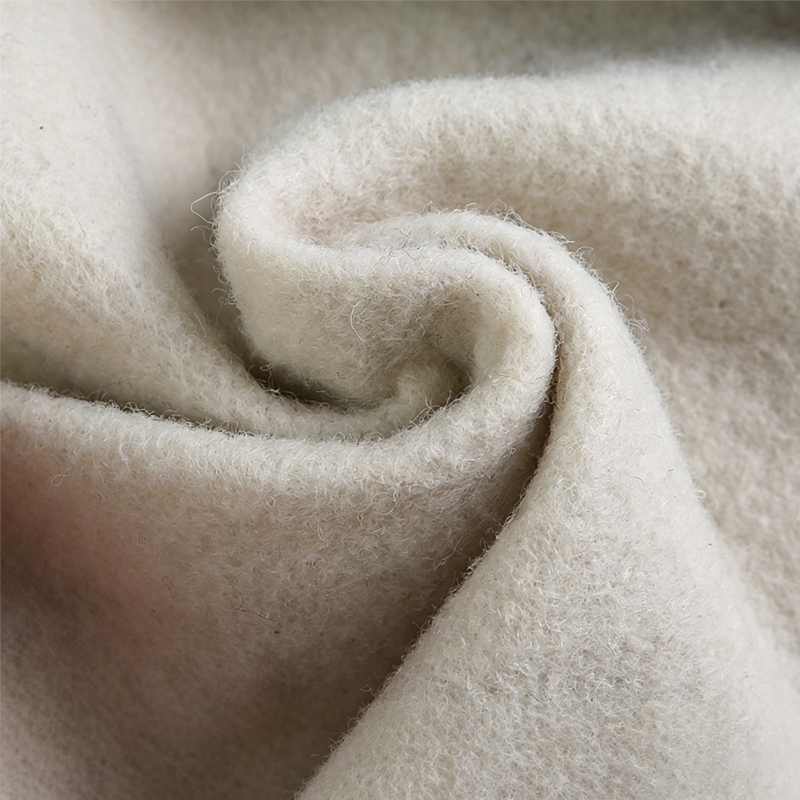 Wholesale High Permeability White Non Woven Geotextile for Road Drainage SupplieChangshu Hui Le Nonwovens Products Co., Ltd is China High Permeability White Non Woven Geotextile for Road Drainage supplier and company....View Product →
Agriculture and Landscaping
Water-holding nonwovens also help with slope protection and dust control. Instead of letting rainfall run off, a white non-woven fabric for dust control and slope moisture can absorb moisture, keep the underlying soil damp, and reduce airborne dust while still allowing excess water to drain or evaporate.
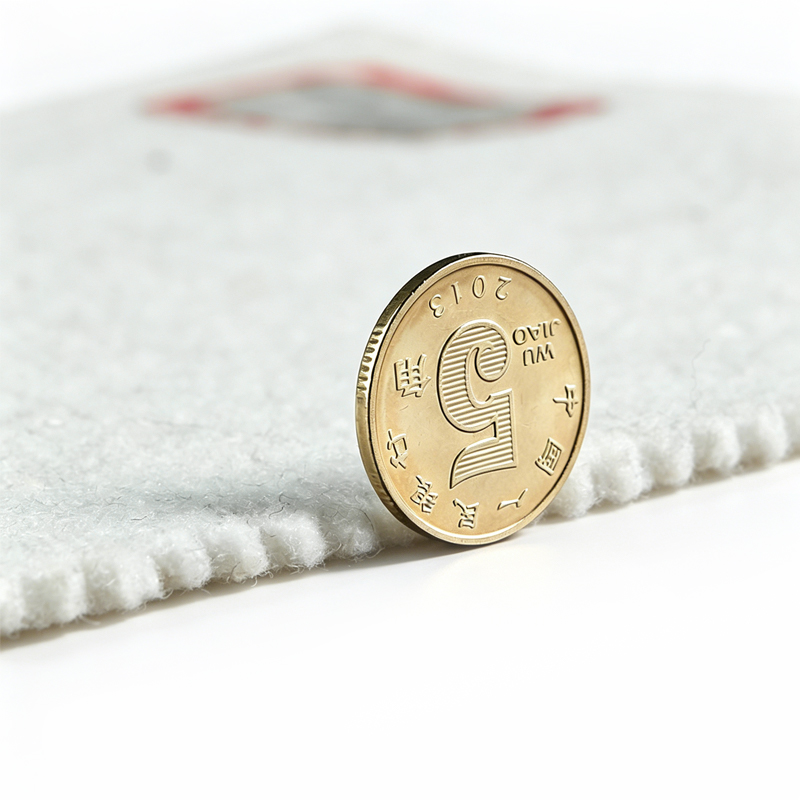 Wholesale White Non Woven Fabric for Dust Control and Slope Moisture Retention SChangshu Hui Le Nonwovens Products Co., Ltd is China White Non Woven Fabric for Dust Control and Slope Moisture Retention supplier and co...View Product →
How to Evaluate Hydrophilic Nonwoven Performance
You cannot judge hydrophilicity by appearance or hand feel alone. Request test data that matches your application. Common laboratory methods include:
- Water drop test: a small drop of water is placed on the fabric surface, and the time to complete absorption is recorded. A fast-wetting material typically shows a time well under 10 seconds.
- Strike-through test: a standard amount of liquid is poured over the fabric, and the time to pass through is measured. This is often used for topsheet and acquisition layer materials.
- Absorbency capacity test: a sample is soaked in water or saline, then drained or centrifuged, and the retained liquid is weighed.
- Wicking test: a strip of fabric is suspended in water, and the rise height is measured at fixed intervals to show how well the fabric transports moisture.
- Rewet test: liquid is pressed out of the material under a set load, and the amount that reappears on the surface indicates how dry it keeps the skin.
For geotextile applications, absorption capacity is less important than water flow rate, permittivity, and filtration opening size. A fabric that absorbs water well may not be the right choice if its permeability is too low for the expected drainage volume.
What to Ask Before Choosing a Supplier
Because “hydrophilic” is not a single universal grade, the most practical way to avoid mismatches is to ask precise questions:
- Is the hydrophilic treatment permanent, or can it be removed by washing, pressure, or long-term storage?
- What kind of wetting agent is used, and is it suitable for skin contact, food contact, or industrial conditions?
- What test method was used to measure wetting time and absorbency, and what are the actual values?
- Does the fabric lose tensile strength when wet?
- Can you produce different hydrophilic levels, such as fast surface wetting or high liquid capacity?
If the fabric is intended for road drainage filtration, ask for a standard white nonwoven geotextile for road drainage filtration with documented water flow and filtration performance. A supplier that can match fabric weight, permeability, and strength to your project conditions is more valuable than one selling a generic “moisture-loving” material.
FAQ
Q1: What makes hydrophilic non woven fabric absorb water?
The fabric is either made from a polymer containing a hydrophilic additive or treated with a wetting finish on the surface. These treatments lower the surface tension of the fibers so water can spread and travel into the spaces between the fibers instead of beading up.
Q2: Does hydrophilic nonwoven stay absorbent after washing?
It depends on the treatment. A surface surfactant finish may gradually wash off, while an additive-based finish inside the fiber structure is more durable. If you need repeated use, ask for a durable hydrophilic grade and verify it with wash and rewet tests.
Q3: Is hydrophilic nonwoven safe for sensitive skin?
Hygiene-grade hydrophilic nonwovens use finishes selected for skin compatibility, but not every product is the same. For medical or baby-care applications, confirm that the fabric meets the relevant skin irritation and biocompatibility requirements.
Q4: How does hydrophilic nonwoven compare with cotton?
Cotton is naturally absorbent and soft, but its absorbency can vary with fiber quality and it may hold moisture against the skin. A well-engineered hydrophilic nonwoven gives more consistent wicking, strength, and fluid distribution, and it can be made lighter while still handling liquid effectively.
Final Thoughts
Hydrophilic non woven fabric is a carefully engineered material, not a generic textile. The same water-loving principle can produce a soft diaper cover, a high-capacity medical dressing, or a durable road drainage geotextile. The key to a successful purchase is to define the performance target first, then compare samples and test data. Ask about the base polymer, the type of treatment, the expected wetting time, and the behavior under real conditions. With the right specification, hydrophilic nonwoven will do exactly what its name promises: welcome water where the application needs it.
Contact Us
Your email address will not be published. Required field are marked*
Categories
- Company News(3)
- Industry News(8)

Contact Us
1337540116@qq.com