en
en Français
 Español
What Is a Non Woven Material? Definition, Process, Uses, and Buying Tips
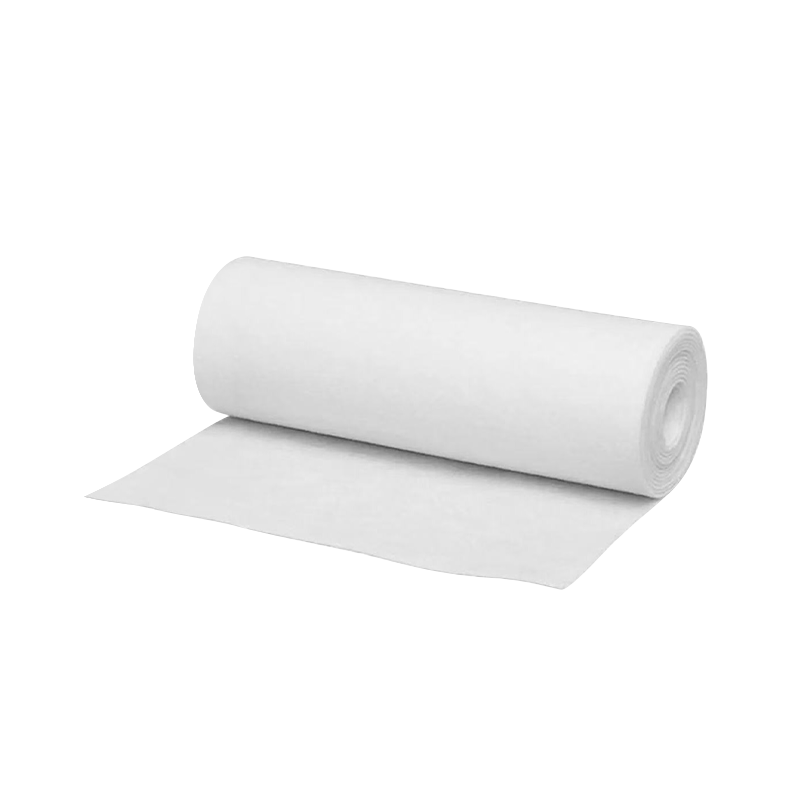
2026-08-14Picture a road crew unrolling a heavy gray felt sheet across a subgrade before asphalt goes down. Elsewhere, a decorator covers a newly sanded wooden floor with a white protection mat that stays in place without tape. Both look like fabric, but neither is woven or knitted. They are nonwoven materials. In simple terms, a non woven material is an engineered, fabric-like sheet made directly from fibers that are bonded together by mechanical, thermal, or chemical methods. That definition explains why nonwovens appear in surgical masks, wipes, greenhouse insulation, and highway drainage layers, and it is the first thing a buyer should understand before choosing a product.
What Exactly Is a Non Woven Material?
Nonwoven fabric, also written as non-woven fabric, is a flat, porous sheet formed by laying down a web of staple fibers or continuous filaments and then bonding that web. Woven cloth is made by interlacing yarns at right angles, and knitted cloth is built from interlocking loops of yarn; a nonwoven skips yarn-making altogether. The ISO and CEN definitions describe a nonwoven as an engineered fibrous assembly, primarily planar, whose structural integrity is achieved through physical and/or chemical means.
The fibers themselves can be polyester, polypropylene, polyethylene, nylon, viscose, or natural fibers such as cotton. Engineered from the fiber upward, nonwovens can be made absorbent or water repellent, stiff or soft, thin or bulky.
Two consequences of the web structure matter in practice. First, most nonwovens are directional: tensile strength in the machine direction usually differs from strength in the cross direction, so installation orientation can affect performance. Second, the final properties are largely decided during web formation and bonding, which is what allows a manufacturer to tune porosity, thickness, and durability without changing the fiber itself.
How Non Woven Materials Are Made
Manufacturing starts with fiber preparation: staple fibers are cut to short lengths and opened into a loose web; filament processes use continuous filaments from an extruder. The web is then formed and bonded. The routes below cover most nonwovens used in industry today.
| Process | How it works | Typical weight | Common end uses |
|---|---|---|---|
| Spunbond | Polymer granules are melted, extruded into continuous filaments, laid on a moving belt, and thermally bonded | 10-200 gsm | Geotextiles, packaging, hygiene |
| Melt-blown | Molten polymer is pushed through fine nozzles by hot air to form microfibers that collect and bond into a fine web | 10-100 gsm | Filtration, masks, oil sorbents |
| Needle punching | Barbed needles repeatedly pierce the web and mechanically entangle the fibers | 100-800 gsm | Geotextiles, automotive felt, protective mats |
| Spunlace | High-pressure water jets entangle the fibers into a soft, drapable sheet | 20-200 gsm | Wipes, medical dressings |
| Chemical and thermal bonding | A binder resin or heat fuses the fibrous web after it is laid | Varies | Interlinings, filtration media, padding |
Each route produces a different character. Melt-blown webs are extremely fine and effective at capturing particles; needle-punched fabrics are tough, thick, and permeable. Products often combine routes, such as a spunbond web that is thermally reinforced, or a spunbond-melt-blown laminate for medical masks. For the buyer, the practical point is that the manufacturing method determines whether a sheet behaves like a soft wiper, a stiff filter, a robust geotextile, or a protective mat.
Key Properties That Define Nonwoven Performance
Nonwoven materials are specified by measurable properties rather than appearance. The most important are:
- Basis weight (gsm). Weight per square meter is the first number in every specification. Light wipes run around 10 to 30 gsm; protective covers commonly sit between 100 and 200 gsm; road curing fabrics are often about 240 gsm; heavy geotextiles can reach 400 to 800 gsm. Too low a weight leads to tearing; an unnecessarily heavy sheet wastes money.
- Tensile strength and elongation. The fabric must withstand installation and service loads in both the machine and cross directions.
- Tear and puncture resistance. Geotextiles and construction protection mats must survive sharp stones, debris, and repeated foot traffic.
- Permeability and porosity. A drainage geotextile must let water pass while retaining soil fines; a concrete curing blanket must hold moisture evenly; a mask needs air permeability with particle capture.
- Liquid behavior. Nonwovens can be designed to absorb or repel. Paint and renovation protection depends on a barrier that stops liquids bleeding through to the floor.
- Thermal and chemical resistance. Polyester handles higher temperatures and creeps less, while polypropylene offers excellent chemical resistance at a lower cost.
Common Applications of Non Woven Materials
Medical and hygiene
Surgical gowns, masks, drapes, dressings, wipes, and diaper components are major users of nonwovens. Melt-blown and spunbond layers provide filtration and a bacterial barrier without the cost of laundering.
Filtration
Nonwoven filter media capture particles in industrial air handling, engine intake, water treatment, and respirators. The fine fiber structure makes them effective at trapping microscopic contaminants.
Construction and geotextiles
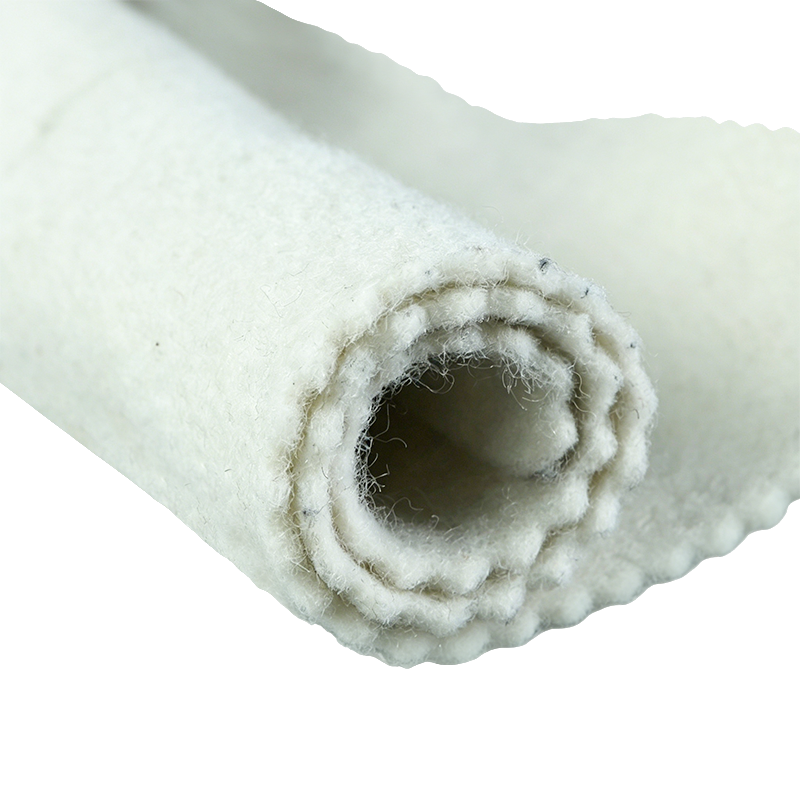
Nonwoven geotextiles separate, filter, drain, and reinforce in road construction, railway builds, landfill lining, and slope protection. For road subgrade drainage, engineers often choose a needle-punched non woven geotextile for road subgrade drainage, because mechanical entanglement provides strength without blocking water movement. Heavier fabrics are used for concrete curing, where they sit over fresh slabs and hold moisture to control the hydration process.
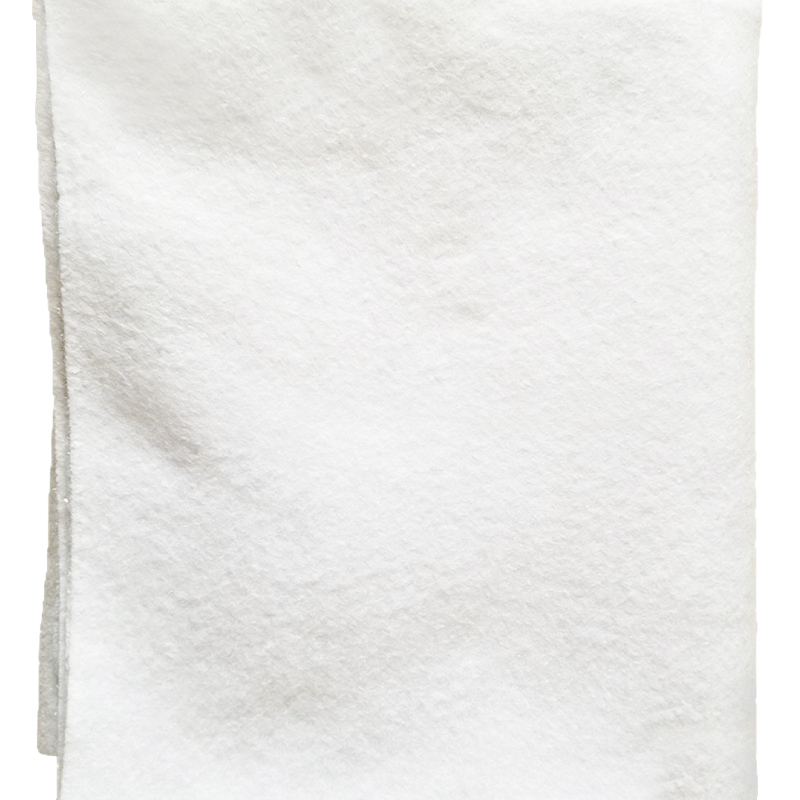 Wholesale Needle Punched Non Woven Geotextile for Road Subgrade Drainage SupplieChangshu Hui Le Nonwovens Products Co., Ltd is China Needle Punched Non Woven Geotextile for Road Subgrade Drainage supplier and company....View Product →
Agriculture and landscaping
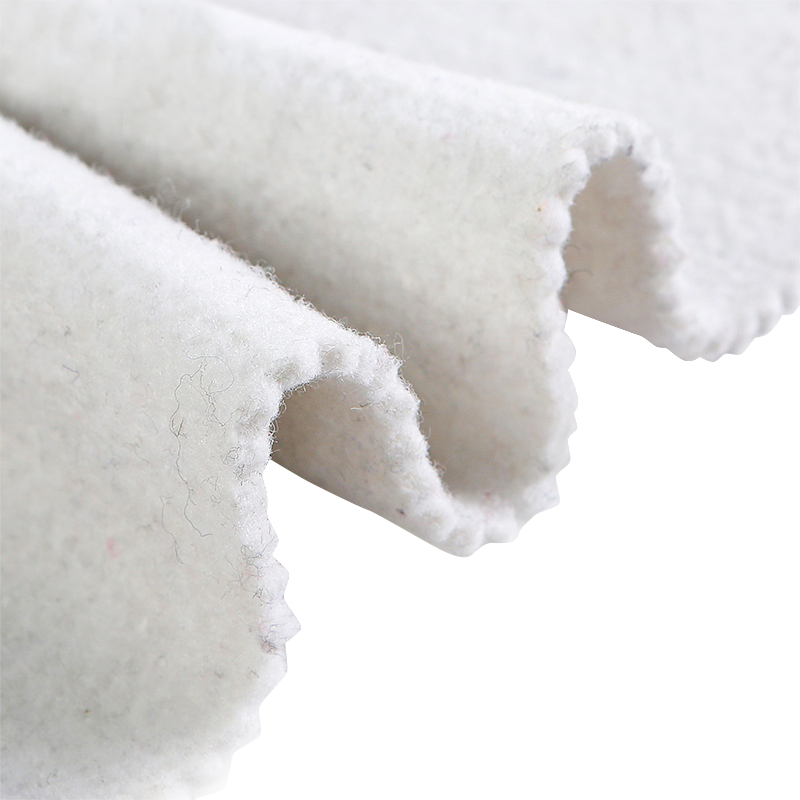
Nonwovens protect crops from frost, insulate greenhouses, control dust, and hold soil moisture on seeded slopes. Growers use heavy-duty non woven insulation fleece for agricultural cold protection to extend the growing season and reduce frost damage in early spring.
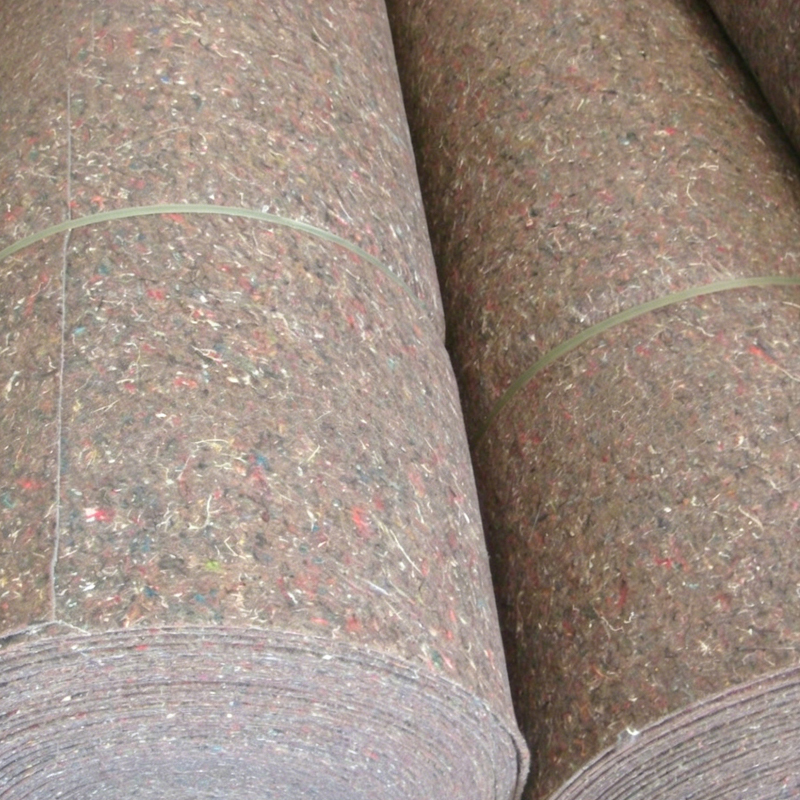 Wholesale Heavy Duty Non Woven Insulation Fleece for Agricultural Cold ProtectioChangshu Hui Le Nonwovens Products Co., Ltd is China Heavy Duty Non Woven Insulation Fleece for Agricultural Cold Protection supplier and...View Product →
Surface protection and renovation
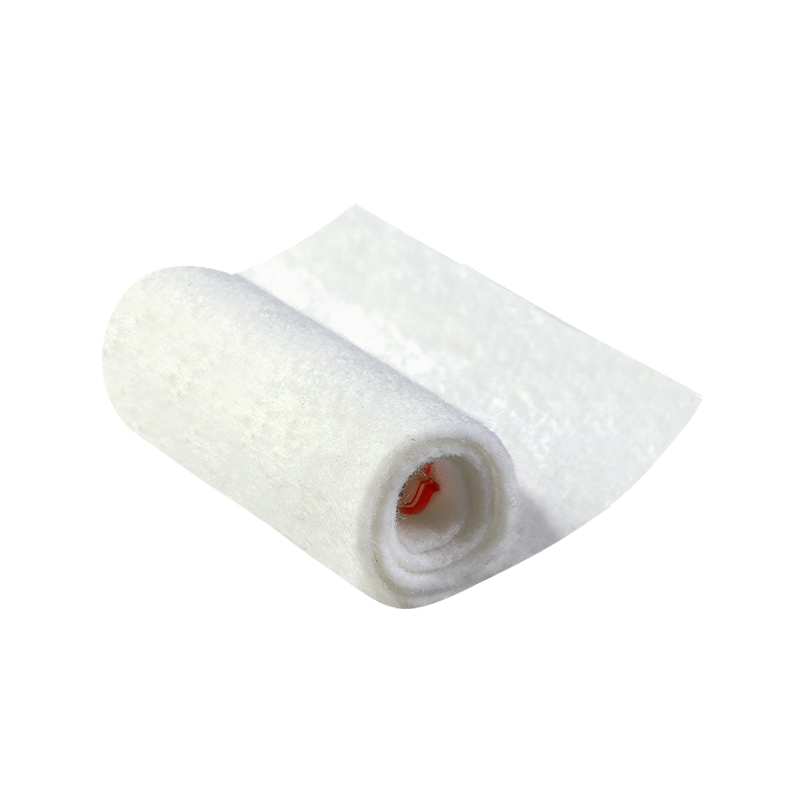
During construction and renovation, nonwoven mats protect finished floors, stairs, and countertops from scratches, paint drips, and heavy foot traffic. Self-adhesive versions stay in place without tape and remove cleanly. A durable wear resistant self-adhesive felt pad for construction site protection is a good example of a nonwoven built for repeated use on a live job site.
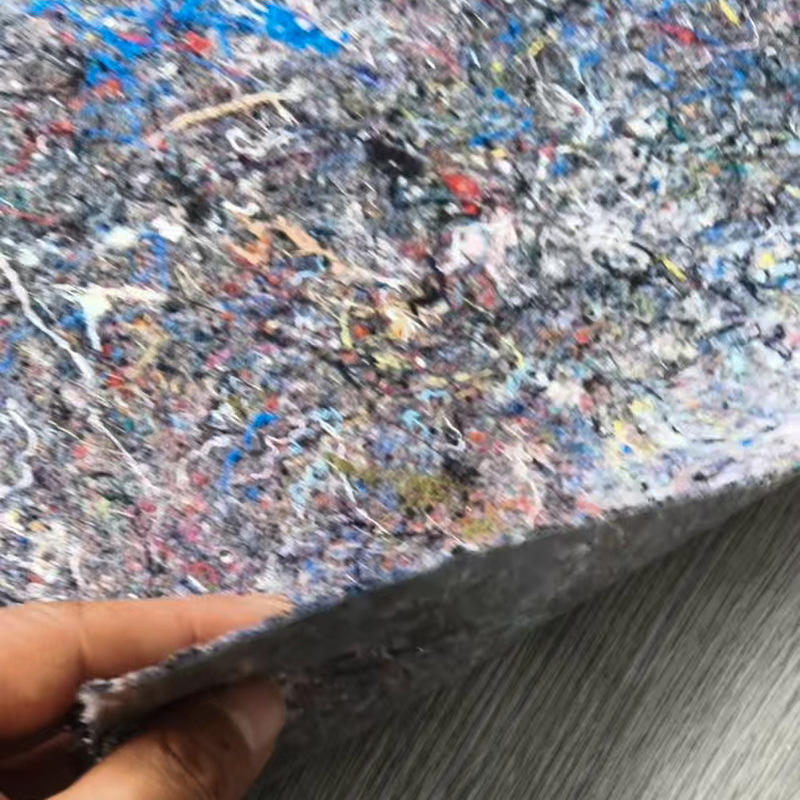 Wholesale Durable Wear Resistant Self Adhesive Felt Pad for Construction Site SuChangshu Hui Le Nonwovens Products Co., Ltd is China Durable Wear Resistant Self Adhesive Felt Pad for Construction Site supplier and com...View Product →
Other everyday uses
Automotive interiors use nonwovens for carpets, trunk liners, and insulation; furniture makers use them as padding and dust barriers; packaging uses them for protective wraps; and household wipes are almost always nonwoven.
Non Woven vs Woven vs Knitted: What Is the Difference?
| Feature | Woven fabric | Knitted fabric | Nonwoven material |
|---|---|---|---|
| Structure | Yarns interlaced at right angles | Interlocking loops of yarn | Bonded web of fibers or filaments |
| Yarn stage | Required | Required | Skipped |
| Typical properties | Stable, strong in two directions | Stretchy, conformable, breathable | Directional, tunable, cost-effective |
| Main production cost | Yarn production and loom time | Yarn production and knitting | Fiber or polymer and bonding |
| Common uses | Apparel, denim, technical textiles | T-shirts, activewear, upholstery | Masks, wipes, geotextiles, protective mats |
A woven geotextile is strong in two perpendicular directions and works well for soil separation under high loads. A nonwoven geotextile offers better drainage, filtration, and conformability. The right choice depends on the function, not on which is stronger.
How to Choose the Right Non Woven Material
Work through these steps to avoid the most common sourcing mistakes:
- Define the primary function. Is the material separating soil, filtering water, protecting a floor, insulating a greenhouse, or capturing particles? The answer decides everything else.
- Set measurable limits. Specify basis weight, tensile strength, tear resistance, permeability, thickness, or liquid holdout.
- Choose the fiber. Polyester suits applications needing strength, dimensional stability, and heat resistance; polypropylene suits chemical resistance and lower cost.
- Select the manufacturing route. Needle punching produces strong, permeable sheets; melt-blown produces fine filter media; thermal bonding gives a clean, lint-free surface.
- Define finishes and backing. PE lamination adds a liquid barrier, and self-adhesive backing speeds installation, but check that the adhesive leaves no residue when the product is removed from a finished surface.
- Verify before committing. Request samples, test the material under real conditions, and confirm the supplier can hold the stated specification consistently.
These steps apply to any nonwoven purchase. When comparing suppliers, it helps to browse the nonwoven product range and see how each item is manufactured before you send an inquiry.
Nonwoven materials are more than simple sheets of pressed fiber. They are engineered products whose fiber, weight, structure, and bonding are chosen for a specific job. Whether you need a permeable geotextile for a roadbed, a frost blanket for a greenhouse, or a self-adhesive mat for a renovation, the right nonwoven will perform better when selection is based on real requirements rather than habit. The fastest way to get a reliable product is to discuss your project with an experienced nonwoven manufacturer who can match the specification to the production process.
Contact Us
Your email address will not be published. Required field are marked*
Categories
- Company News(3)
- Industry News(8)

Contact Us
1337540116@qq.com