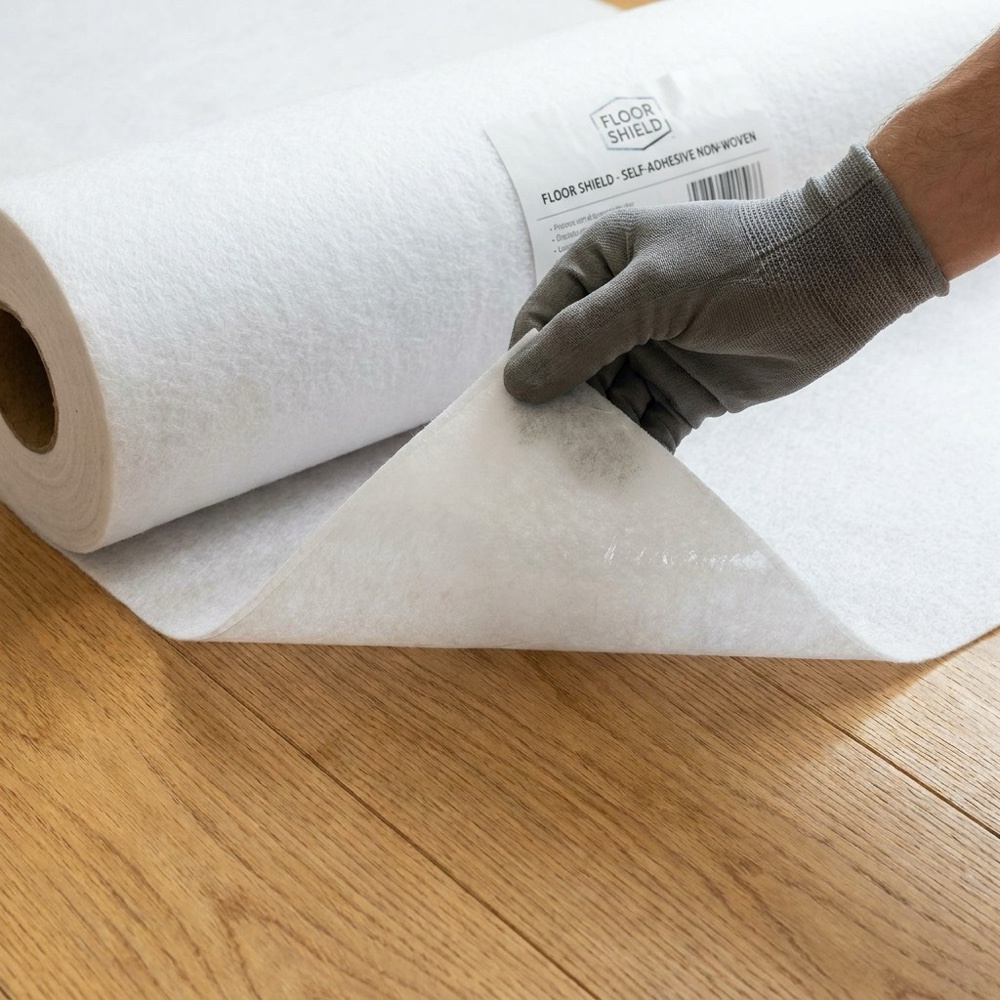
en
en Français
 Español
How Self Adhesive Paint Protective Felts Simplify Surface Protection During Renovation
2026-08-13The Hidden Cost of Unprotected Surfaces on Renovation Sites
Every painting or renovation project carries a risk that rarely appears in the initial budget: surface damage. Drips, scuffs, dropped tools, and foot traffic across bare flooring can turn a straightforward paint job into an expensive repair bill. Contractors and facility managers who have tracked incident reports across multi-room projects consistently find that floor damage claims rank among the top three sources of unplanned cost overruns, alongside material waste and schedule delays.
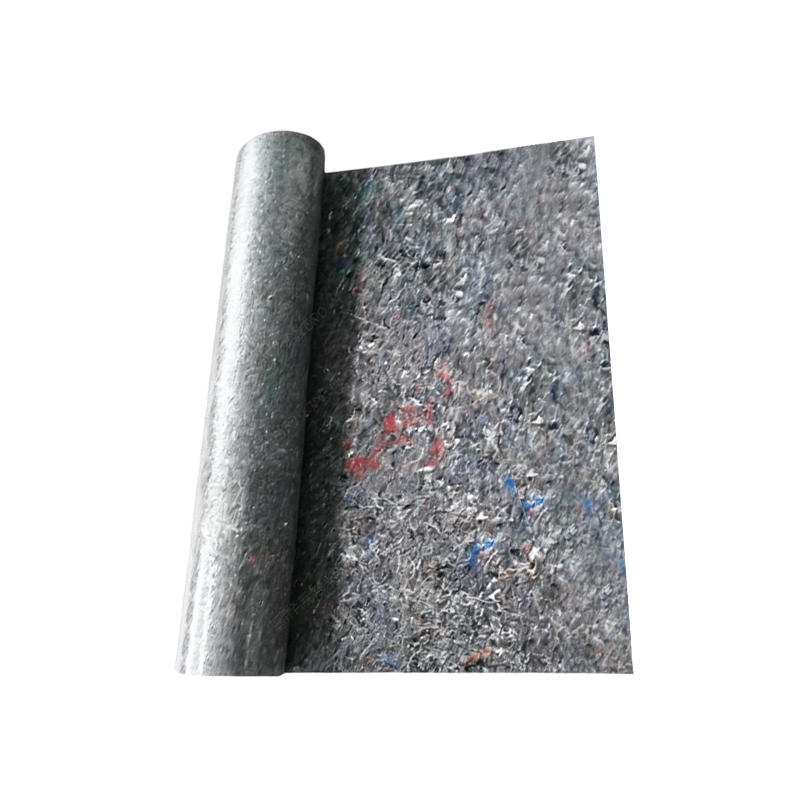
Traditional protective materials were never designed for the realities of a modern job site. Canvas drop cloths shift underfoot, plastic sheeting becomes a slip hazard the moment liquid pools on its surface, and rosin paper tears at the seams when heavy equipment is rolled across it. This is the gap that self adhesive paint protective felts were engineered to close: a surface barrier that stays anchored, absorbs rather than pools liquid, and survives the full duration of a project without constant repositioning.
This article examines how adhesive backed felt performs against conventional alternatives, what the layered construction actually does at a material level, and how project teams can plan surface protection strategically rather than reactively.
What Makes Self Adhesive Felt Different From Traditional Drop Cloths
The core distinction lies in two properties working together: a fibrous, absorbent top layer and a pressure sensitive adhesive backing. Canvas and plastic each solve only one half of the protection problem. Canvas absorbs but slides. Plastic film grips somewhat but channels liquid into pooled puddles rather than drawing it away from the finished surface below.
| Protection Method | Slip Resistance | Liquid Handling | Reusable | Residue on Removal |
|---|---|---|---|---|
| Canvas Drop Cloth | Low | Absorbs, slow to dry | Yes | None |
| Plastic Sheeting | Very Low | Pools liquid | Limited | None |
| Rosin Paper | Moderate | Absorbs, tears when wet | No | None |
| Adhesive Backed Felt | High | Absorbs and contains | No | Minimal, residue-free options common |
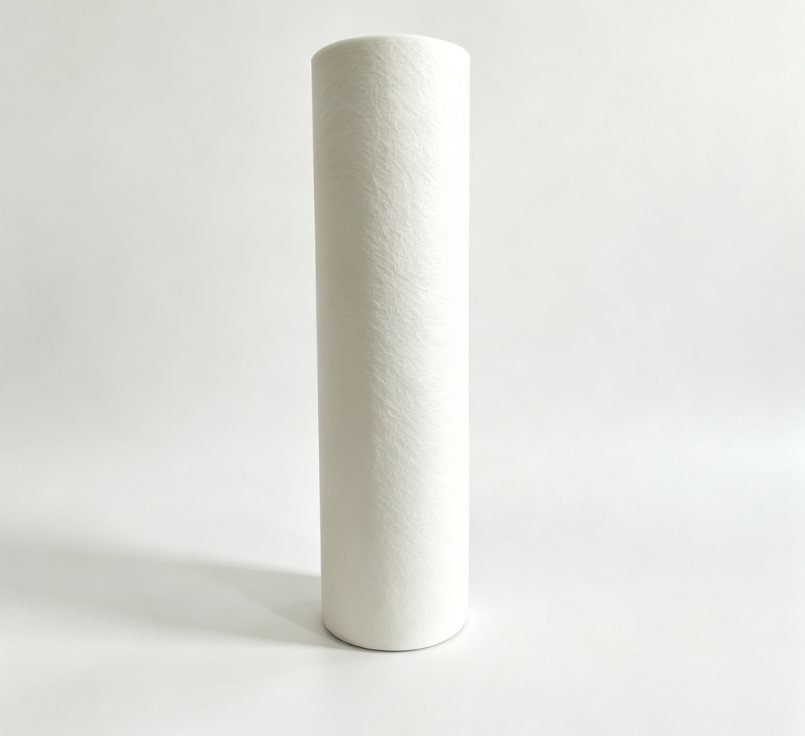
The felt structure is typically built from a needle punched nonwoven fiber layer, which creates thousands of microscopic channels that pull liquid downward and hold it within the material rather than letting it travel across the surface. Combined with a repositionable adhesive strip along the underside, the felt becomes a barrier that behaves less like a loose sheet and more like a temporary flooring layer.
Absorbent Surface Protection: How the Layered Structure Actually Works
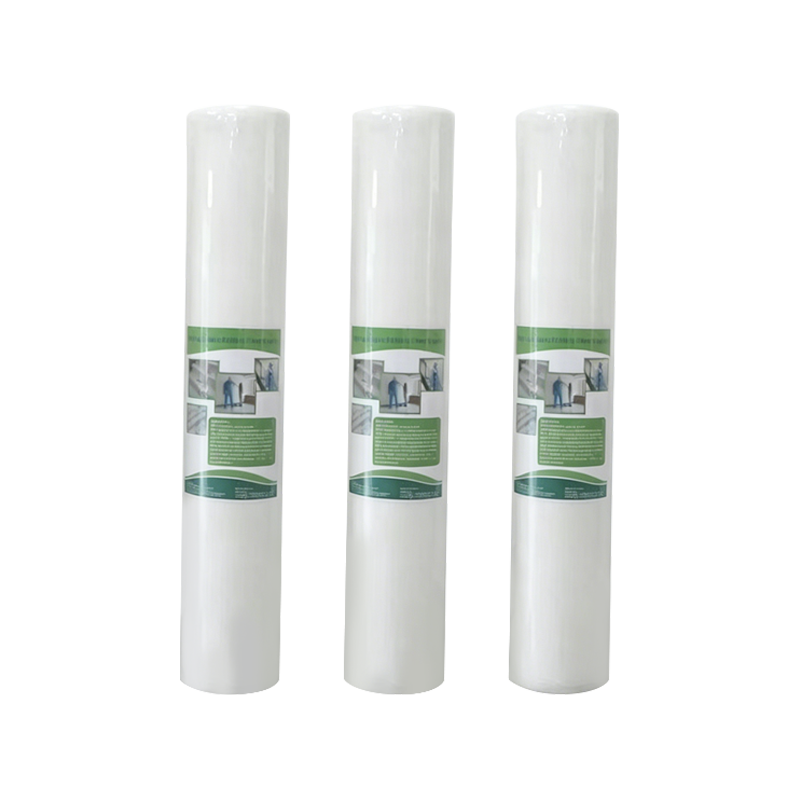
Understanding paint protective fleece requires looking past the surface. Most quality felt protection products use a three part construction: a nonwoven fiber mat on top, a moisture resistant middle layer, and an adhesive strip system on the underside that contacts the floor.
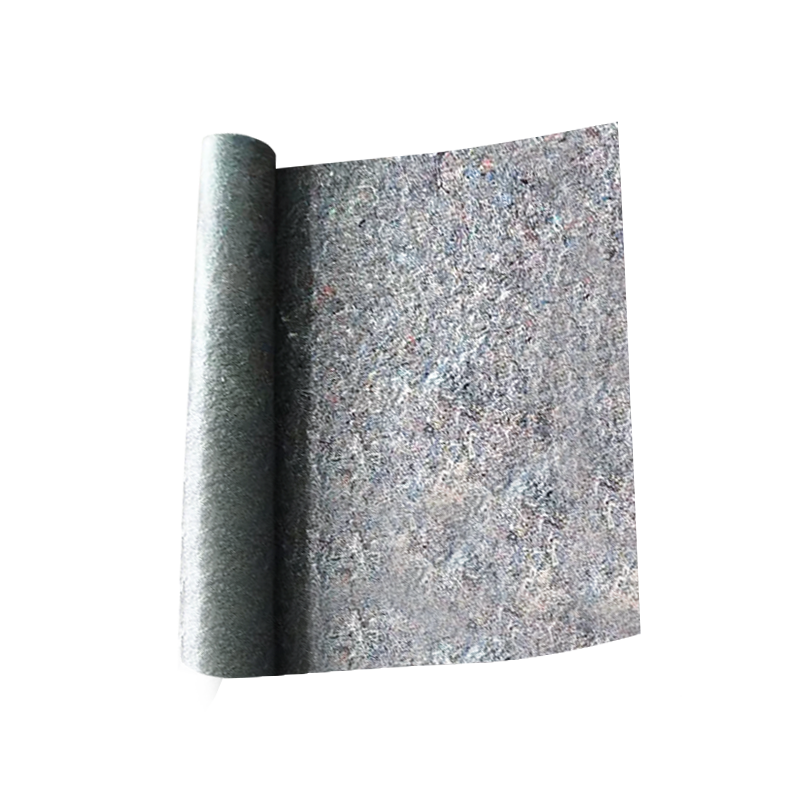
The top fiber layer is where most of the functional work happens. Nonwoven felt fibers are randomly oriented rather than woven, which increases surface area and traps particulate matter such as dust, drywall debris, and dried paint flecks before they can be tracked further across the site. The middle layer acts as a moisture barrier, preventing anything absorbed by the felt from soaking through to the floor finish underneath, which matters most on porous surfaces like unsealed hardwood or natural stone.
The adhesive layer is engineered for controlled tack: strong enough to prevent shifting under foot traffic and rolling equipment, but formulated to release cleanly from most sealed flooring types without pulling up finish or leaving sticky residue. This balance is the single most requested performance attribute among facility managers who handle repeated turnover between tenants or project phases.
Comparing Protection Types Across Key Performance Criteria
No single protective material wins on every axis. The right choice depends on project duration, flooring type, and whether the area sees heavy foot traffic or is largely undisturbed during the work. The radar comparison below maps adhesive backed felt against plastic film and standard fabric drop cloths across five criteria that matter most on active job sites.
The pattern that emerges is consistent across job types: felt scores highest on slip resistance and liquid absorption simultaneously, a combination that plastic film and fabric each fail to achieve on their own. Fabric performs reasonably on absorption and removal ease but lags on grip. Plastic film grips moderately well but cannot absorb, which explains why puddling and slip incidents are disproportionately reported on film covered surfaces.
Adhesion Performance Across Common Flooring Types
Adhesion behavior is not uniform across every surface. Sealed hardwood, tile, laminate, and concrete each interact differently with pressure sensitive backing. The chart below reflects typical relative grip performance reported across these categories, measured as resistance to shifting under moderate foot traffic over an eight hour work period.
Textured or low tack vinyl surfaces consistently show reduced grip retention compared to smooth sealed finishes. This is a useful planning detail: on textured flooring, project teams benefit from reinforcing seam overlaps and adding secondary tape at high traffic transition points rather than relying on the felt's adhesive alone.
A Practical Application Workflow for Multi Room Projects
Installation sequencing has a measurable effect on how well protective felt performs over the life of a project. Teams that follow a consistent workflow report fewer mid project repairs and faster teardown.
Two steps are frequently underestimated. First, surface cleaning before installation matters more than the felt's own adhesive strength: dust and debris trapped beneath the backing reduce contact area and create early lift points. Second, removal technique affects both residue and reusability of the underlying finish; pulling the felt back on itself at a low, consistent angle rather than lifting straight up minimizes stress on the adhesive bond line.
Cost and Time Impact Across a Typical Renovation Timeline
Surface protection is often treated as a fixed line item, but its real value shows up in avoided rework hours. The line chart below tracks cumulative cleanup and repair hours across a six week multi room renovation, comparing projects that used adhesive backed felt against those relying on looser protective coverings.
The gap between the two lines widens with project duration rather than staying constant, which reflects how loose coverings degrade progressively: repeated repositioning, edge lifting, and torn sections accumulate labor cost week over week. Felt protection, by contrast, tends to hold its position from initial installation through teardown, which keeps rework hours comparatively flat.
Where Felt Protection Fits Into a Broader Job Site Plan
Surface protection performs best as part of a layered site plan rather than a single blanket solution. Entryways and hallways, which see the heaviest and most concentrated foot traffic, generally benefit most from adhesive backed felt because of its combination of grip and absorbency. Static storage or staging areas, where materials sit rather than move, can often use a lighter weight covering since slip resistance matters less there.
- High traffic corridors and stairwells: prioritize grip and seam durability
- Wet trade zones near painting or plumbing work: prioritize absorbency
- Static staging and storage areas: prioritize cost efficiency over grip
- Transition points between rooms: reinforce seams with secondary tape
Column-style protection budgeting, where teams allocate a slightly higher spend to high traffic zones and a lighter spend to static areas, tends to outperform uniform coverage in both cost and outcome, according to patterns reported across repeated multi phase renovation projects.
Protection strategy works best when it is planned by traffic pattern first and material type second, rather than applying one covering uniformly across an entire site.
Common Mistakes That Undermine Surface Protection
Even well selected protective felt underperforms when installation shortcuts are taken. The most frequently reported issues include skipping surface cleaning before application, stretching the felt too tightly across uneven flooring which creates tension points that lift early, and leaving protective coverings down far longer than the manufacturer's recommended duration, which can affect how cleanly the adhesive releases.
| Mistake | Typical Consequence |
|---|---|
| Skipping surface cleaning | Reduced contact area, premature lifting |
| Overstretching across uneven areas | Tension points, seam separation |
| Extended dwell time beyond guidance | Higher residue risk on removal |
| Ignoring seam overlap at transitions | Liquid bypass at joints |
Most of these issues are avoidable with a short pre installation checklist rather than additional material cost, which is why experienced project managers treat installation training as part of the protection budget rather than an afterthought.
Frequently Asked Questions
Q1: How long can self adhesive felt stay down before removal becomes difficult?
Most formulations are rated for extended wear periods spanning several weeks, though manufacturer guidance should be checked for the specific product, since adhesive chemistry and flooring sensitivity vary.
Q2: Does adhesive backed felt work on unsealed or raw wood flooring?
It can, but unsealed porous surfaces require extra caution since any adhesive contact carries higher risk on untreated wood; testing a small inconspicuous area first is recommended.
Q3: Can the felt be reused across multiple rooms?
Adhesive backed felt is generally designed as a single use protective layer per application, since the adhesive strength and absorbent capacity are engineered for one continuous installation cycle.
Q4: What is the difference between paint protective fleece and standard rosin paper?
Fleece style felt combines absorbency with a fibrous non-slip texture and adhesive backing, while rosin paper is a dry, non-absorbent barrier that typically requires separate taping and offers less traction underfoot.
Q5: Is this protection method suitable as a drop cloth alternative for occupied spaces?
Yes, its low profile and secure adhesion make it a practical drop cloth alternative in occupied buildings, since it reduces trip hazards compared to loose fabric or shifting plastic sheeting.
Contact Us
Your email address will not be published. Required field are marked*
Categories
- Company News(3)
- Industry News(8)

Contact Us
1337540116@qq.com