en
en Français
 Español
What Makes PE Laminated Protective Fleece Essential for Surface Protection?
2026-08-13Why Surface Protection Fails Without the Right Material
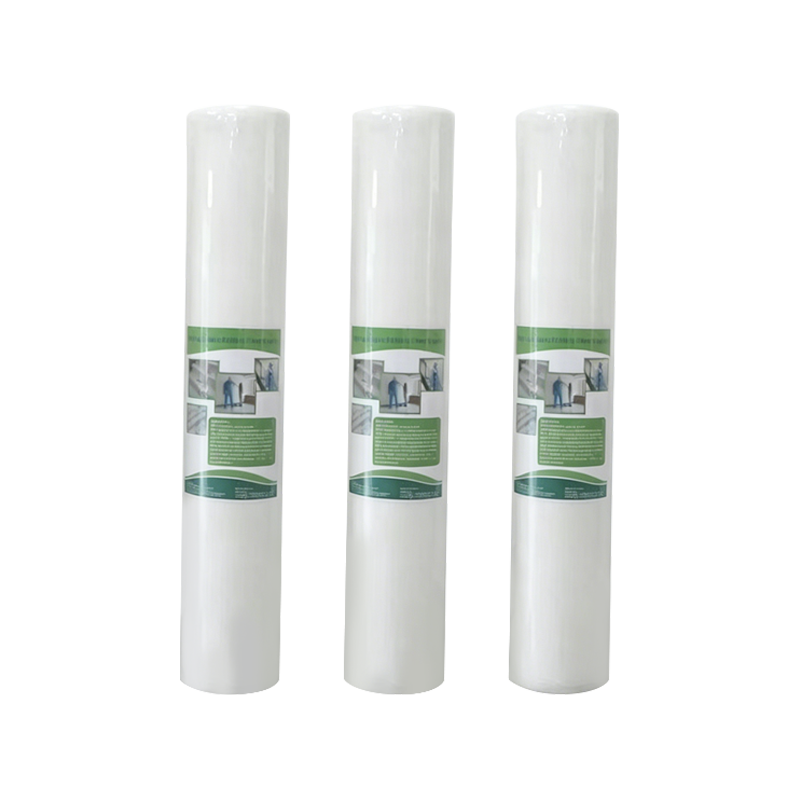
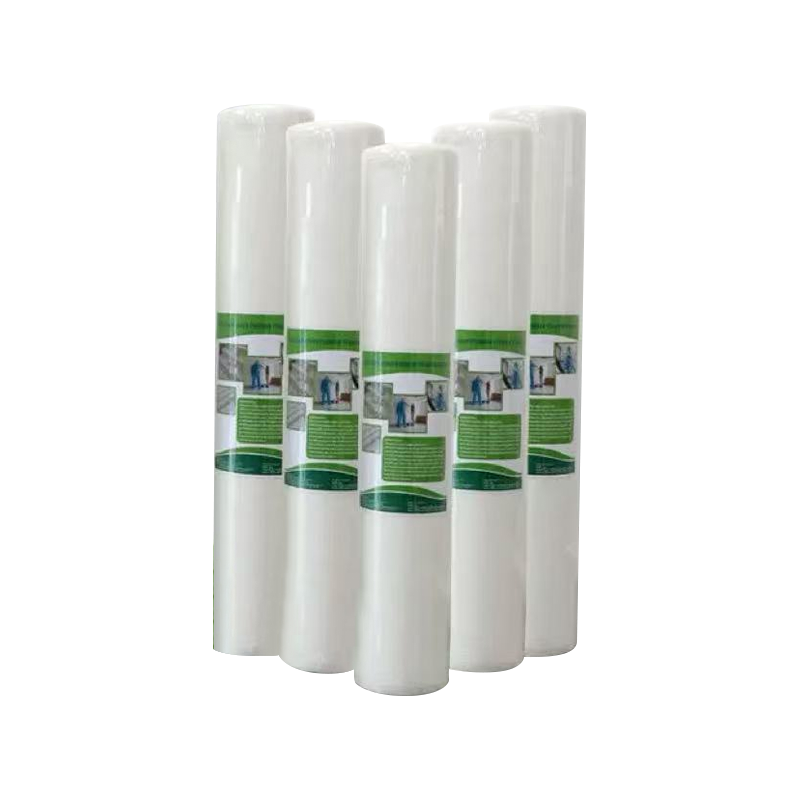
On almost every job site, renovation project, or moving job, the material laid down to protect a finished surface is treated as an afterthought. Yet it is often the single item standing between a clean handover and an expensive repair bill. Thin plastic sheeting slides underfoot, tears at the seams within hours, and lets spilled paint, adhesive, or water pool directly on flooring rather than absorbing it. Standard fabric drop cloths solve the slip problem but soak through quickly, letting liquids bleed onto the substrate below. Neither option was designed to do both jobs at once, which is exactly the gap that a pe laminated protective fleece is built to close.
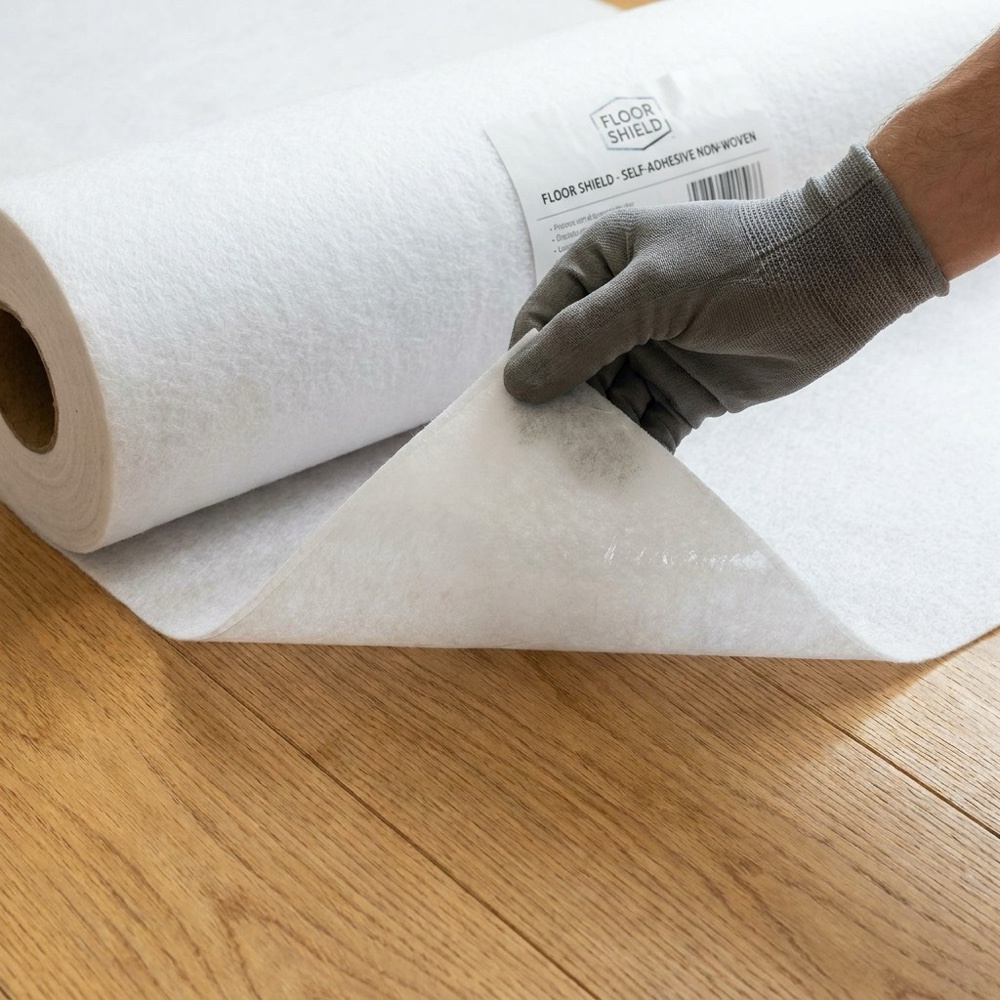
This category of material combines a soft, absorbent nonwoven top layer with a continuous polyethylene film bonded to its underside. The result is a single sheet that grips the surface, resists slipping, absorbs spills on contact, and blocks liquid from migrating through to whatever lies beneath. For facility managers, flooring contractors, painters, and logistics teams, that combination changes how protection is planned rather than improvised.
The sections below break down the structure of this material, the measurable benefits it delivers compared with common alternatives, and the practical criteria worth checking before specifying it for a project.
Understanding the Layered Structure of the Material
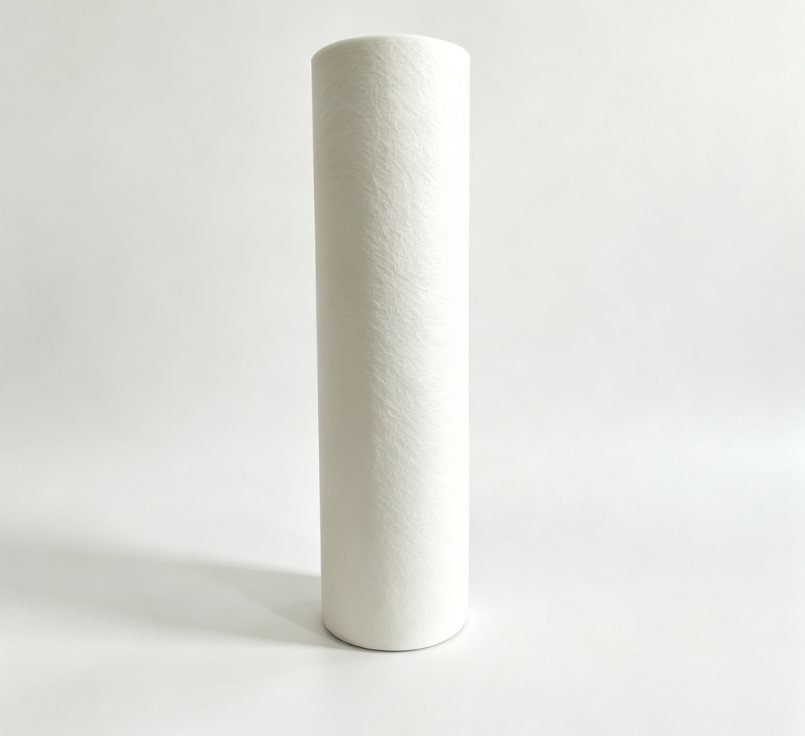
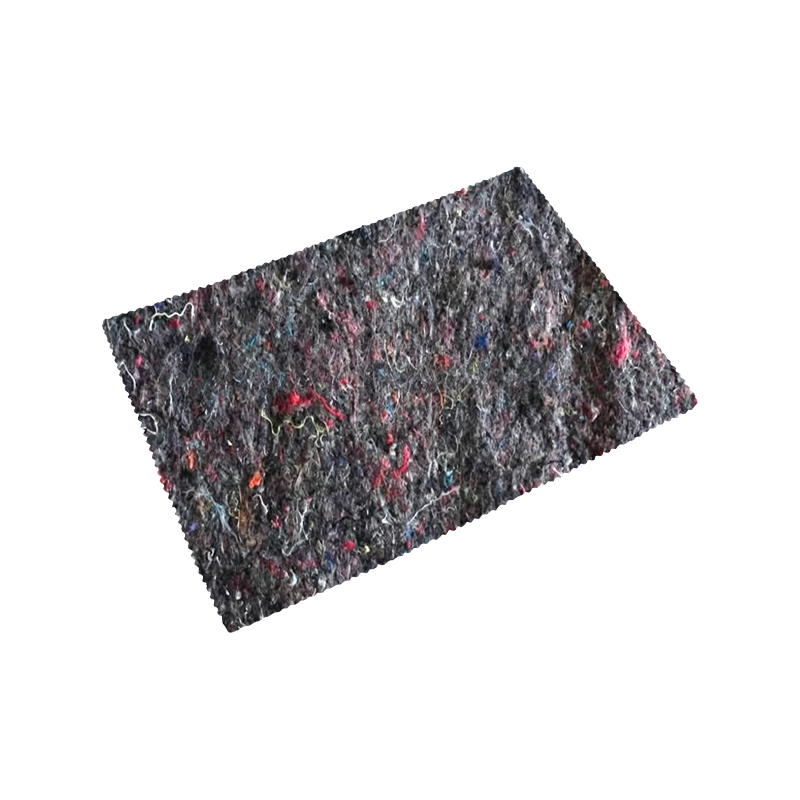
The performance of this fleece comes from how its two layers are engineered to work together rather than from either layer alone. The upper surface is a needle-punched or spunbond nonwoven fabric, chosen for its fiber density and capillary action. When a liquid lands on this surface, the fiber network pulls it laterally and holds it within the fabric structure instead of letting it run off toward exposed edges.
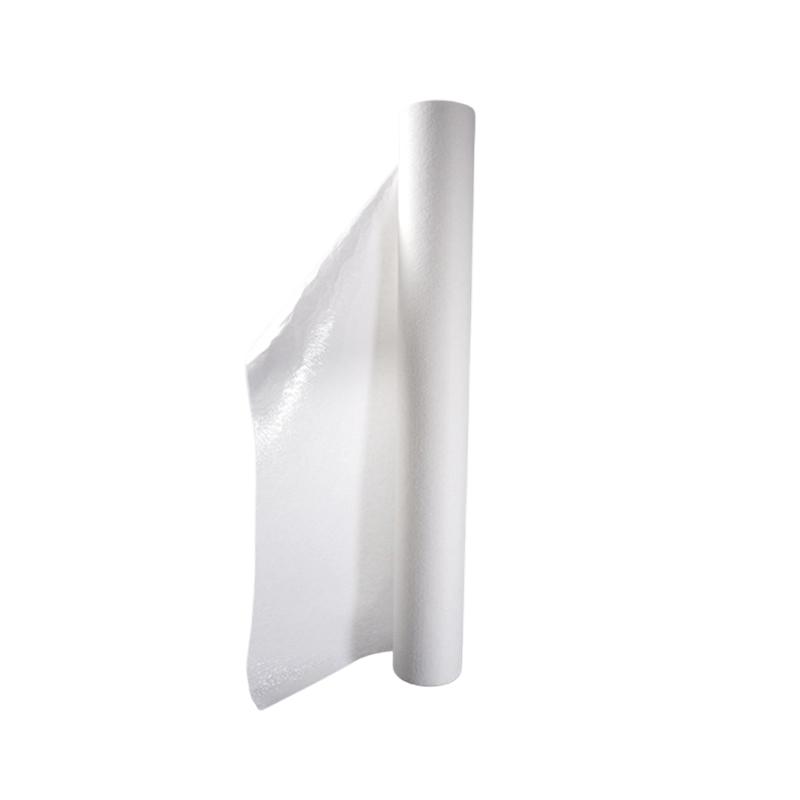
Beneath that fiber layer sits a thin, continuous film of polyethylene, thermally bonded across the full surface area of the fabric during production. This film has no stitching or perforations, so it forms an unbroken barrier against moisture, oils, and fine dust. The bonding process matters as much as the film itself: a poorly laminated sheet will delaminate under foot traffic or rolling equipment, while a properly fused sheet keeps both layers acting as one unit through repeated use and folding.
Weight is typically expressed in grams per square meter (gsm), and most protective-grade fleeces fall in a mid-to-heavy range that balances flexibility with tear resistance. Lighter sheets are easier to roll and transport but wear faster under repeated foot traffic; heavier sheets last longer but cost more to ship in bulk. Roll widths and core diameters also vary, which affects how quickly a crew can lay out coverage across a large floor plate.
Key Performance Benefits for Job Site and Facility Protection
Five performance attributes tend to drive purchasing decisions for this type of material: waterproof barrier strength, absorbency, slip resistance, tear and puncture durability, and reusability across multiple jobs. The chart below compares typical relative performance across these attributes for a laminated fleece construction, based on general industry testing patterns rather than any single supplier's published figures.
- Waterproof barrier performance stays consistently high because the film layer does not rely on fiber density, unlike absorbent-only fabrics.
- Absorbency remains strong even with a film backing, since the nonwoven layer sits above the barrier and still contacts spills directly.
- Slip resistance depends heavily on the texture of the top fiber layer and how well it grips smooth substrates such as tile or sealed concrete.
- Tear durability improves once the two layers are fused, since the film reinforces the fiber matrix against localized stress points.
- Reusability is limited primarily by how the material is folded, stored, and cleaned between uses rather than by the material itself.
How This Material Compares to Standard Alternatives
Choosing between a laminated fleece, a plain nonwoven pad, and basic plastic sheeting usually comes down to how the material performs across several dimensions at once rather than any single trait. The radar comparison below plots a laminated construction against uncoated plastic sheeting across five practical dimensions.
| Material Type | Waterproof | Absorbent | Slip Resistant | Reusable |
|---|---|---|---|---|
| PE Laminated Fleece | Yes | Yes | Yes | Multiple uses |
| Plain Nonwoven Pad | No | Yes | Moderate | Limited uses |
| Plastic Sheeting | Yes | No | Low | Single use, typically |
The pattern that emerges is straightforward: single-layer materials tend to excel at one function and fall short on the others, while a properly bonded waterproof protective material avoids that trade-off by combining both functions in one sheet.
How Absorbency and Waterproofing Work Together Over Time
A common question from buyers is what actually happens when a spill sits on the material for an extended period, since a single spot test does not reveal how a barrier performs over a full workday. The line chart below illustrates a typical pattern for how much moisture passes through to the substrate over four hours of exposure, comparing a laminated construction with a standard uncoated fleece.
The gap between the two lines widens over time rather than staying constant. In the first few minutes, both materials perform similarly since the fiber layer absorbs the initial contact. As exposure continues, an uncoated fleece reaches saturation and liquid begins wicking through to the floor beneath it, while the film layer in a laminated construction continues blocking pass-through regardless of how long the spill sits. This is the practical reason laminated fleece is preferred for overnight coverage or unattended work areas, where nobody is present to clean up a spill immediately.
Where This Material Performs Best Across Industries
Because the material addresses both slip hazards and liquid protection, it tends to appear across a fairly wide range of settings rather than being limited to one trade. The column chart below shows a general distribution of where this type of protective fleece is most commonly specified.
Construction and renovation sites lead usage because floors are exposed to the widest variety of hazards at once: foot traffic, tool drops, dust, and wet trades working in the same space over several weeks. Flooring contractors use it during installation and finishing to protect newly laid surfaces from the very equipment used to install them. Painting and renovation crews rely on it to catch drips without the sheet sliding out of position, and logistics or moving teams use it to protect finished floors during furniture and equipment transport. Manufacturing facilities apply it in lower volumes, typically around machinery or loading zones where occasional spills need containment.
The typical lifecycle of the material follows a repeatable sequence from production through reuse, shown in the flow diagram below.
What to Evaluate Before Choosing a Protective Fleece
Not every laminated fleece is built to the same specification, and selecting the wrong weight or grade for a project can undercut the benefits described above. The following factors are worth checking before committing to a bulk order.
- Fabric weight in grams per square meter, which correlates with how much abuse the sheet can absorb before tearing.
- Film thickness and continuity, since a thin or unevenly bonded film is more prone to pinholes under sustained pressure.
- Roll width and length, matched against the floor plate size to minimize seams and overlap points.
- Surface texture on the top layer, which determines slip resistance on smooth substrates such as polished concrete or tile.
- Edge finishing, since raw or fraying edges are the first point of failure during repeated folding and unrolling.
- Expected reuse cycle count, which affects the true cost per project when compared against single-use alternatives.
Facility managers running recurring maintenance programs typically prioritize reuse cycle count and film durability, since the material gets folded and redeployed dozens of times per year. Contractors working single, high-value renovation jobs often prioritize film continuity and edge finishing instead, since the sheet may only be used once but needs to perform without a single failure point during that job.
Maintenance, Reuse, and End-of-Life Considerations
Extending the usable life of a laminated fleece mostly comes down to how it is handled between jobs rather than any special treatment during use. Sheets should be allowed to dry fully before folding and storage, since trapping moisture between folds encourages mildew growth in the fiber layer even though the film itself resists water. Loose debris and dried residue should be brushed off before rolling, since embedded grit accelerates wear at fold lines over repeated use.
Storage in a dry, temperature-stable area preserves the flexibility of the film layer, which can become brittle if repeatedly exposed to freezing temperatures or direct sunlight over long periods. Many facility teams track reuse cycles per roll so they can retire sheets before visible film cracking begins, since a cracked film section reintroduces the exact liquid pass-through problem the laminate was meant to solve.
At end of life, the layered construction means recycling streams differ from single-material products, and local waste handling guidance should be checked for combined fiber and film materials rather than assuming standard plastic or textile recycling applies. Some suppliers offer take-back or reprocessing programs for bulk users, which is worth asking about directly if the material is being purchased in large volumes on a recurring basis.
Frequently Asked Questions
Q1: What is PE laminated protective fleece made of?
It consists of a nonwoven fiber fabric bonded to a thin polyethylene film, combining an absorbent top surface with a continuous waterproof backing in a single sheet.
Q2: Can this material be reused across multiple jobs?
Yes, when the film layer stays intact and the sheet is stored dry, it can typically be folded, transported, and redeployed across several projects before replacement is needed.
Q3: Does the film layer reduce how much liquid the fleece can absorb?
No, the fiber layer sits above the film and absorbs spills on contact the same way an uncoated fleece would, while the film simply stops liquid from reaching the surface underneath.
Q4: Is it suitable for use on polished or tiled floors?
The textured fiber surface generally provides better grip on smooth substrates than plastic sheeting, though the exact slip performance depends on the fabric's surface finish.
Q5: How should the material be stored between uses?
It should be fully dried, brushed free of debris, and stored in a dry area away from extreme temperature swings to prevent film brittleness and fiber mildew.
Contact Us
Your email address will not be published. Required field are marked*
Categories
- Company News(3)
- Industry News(8)

Contact Us
1337540116@qq.com